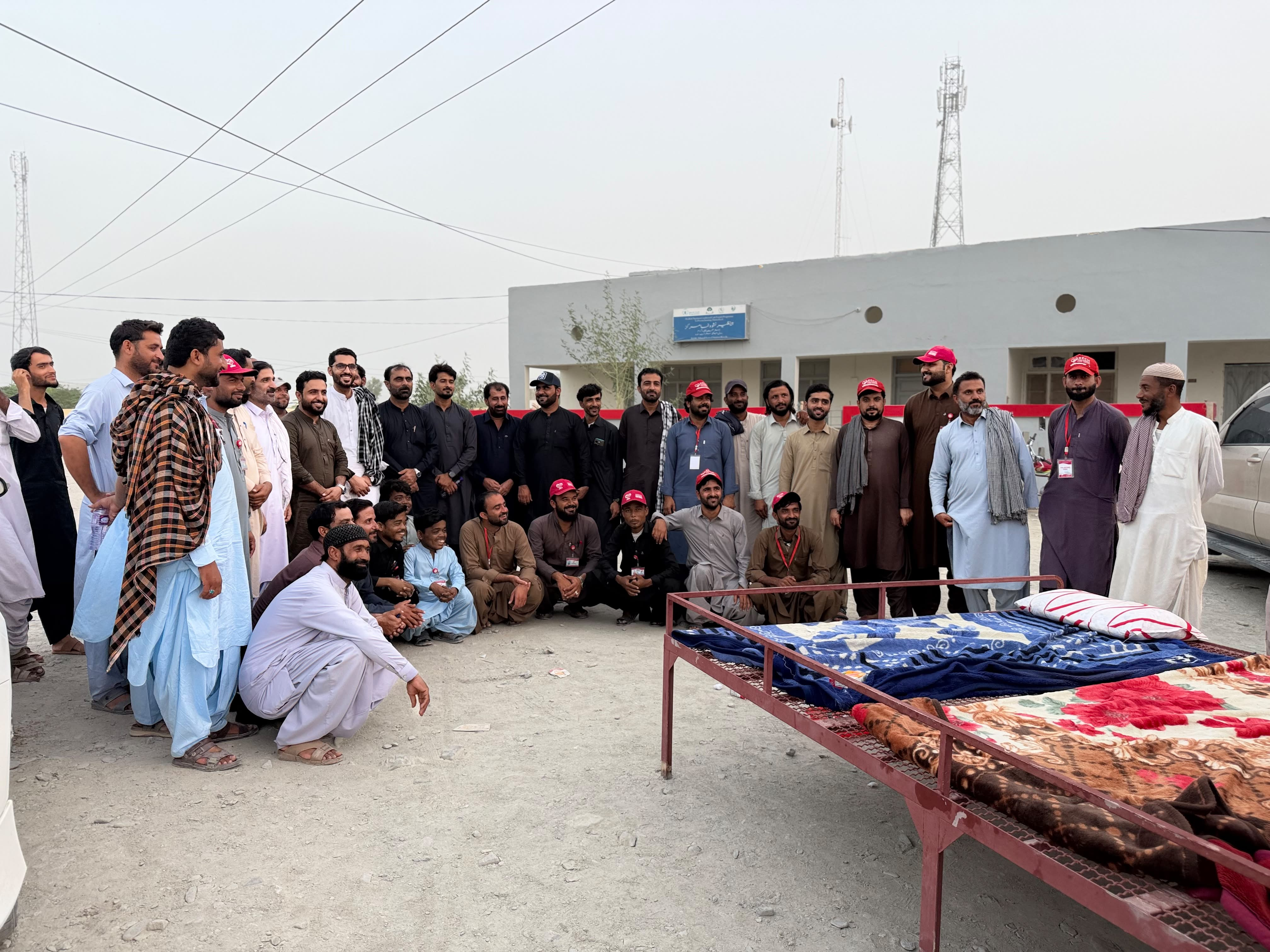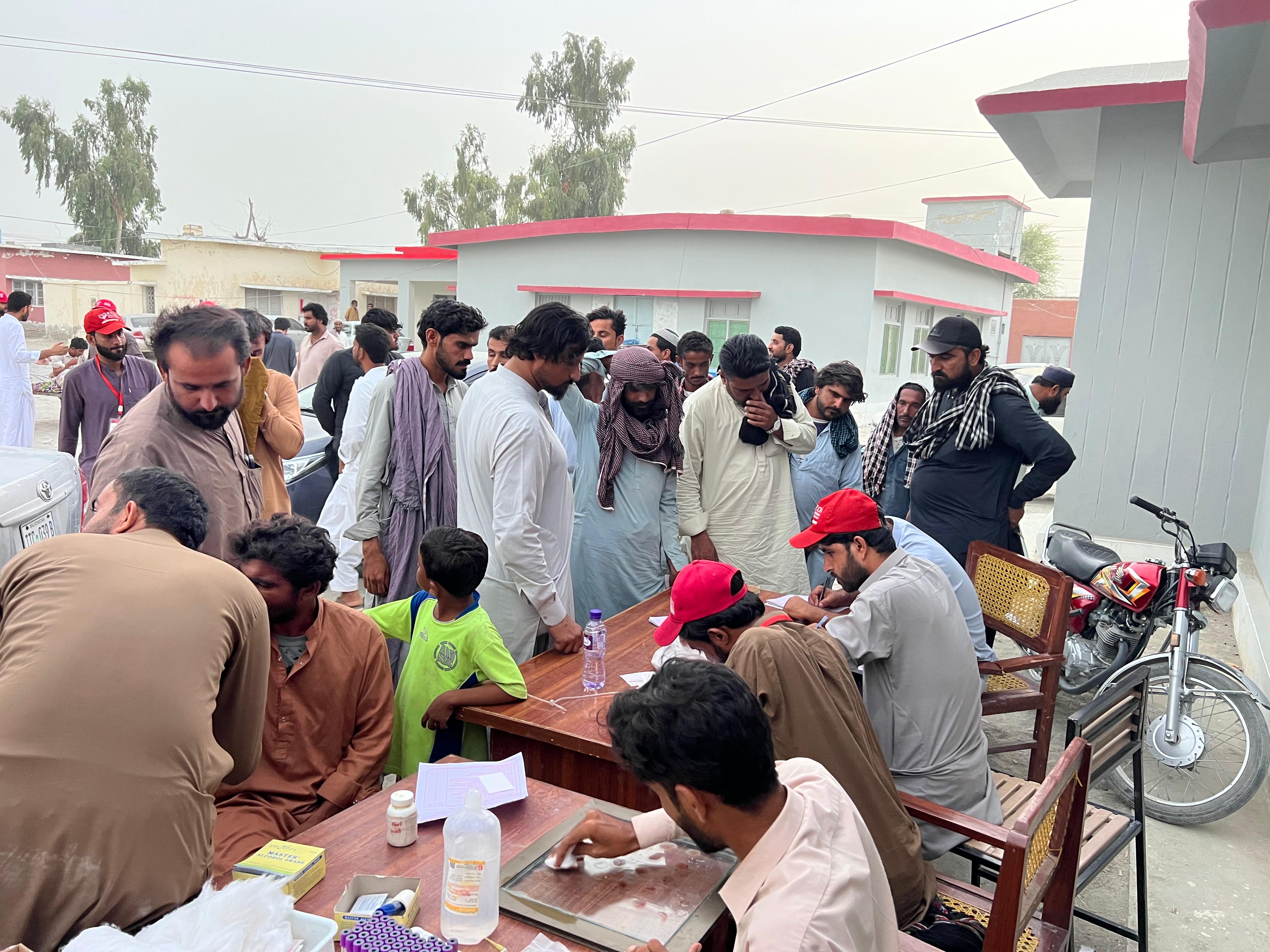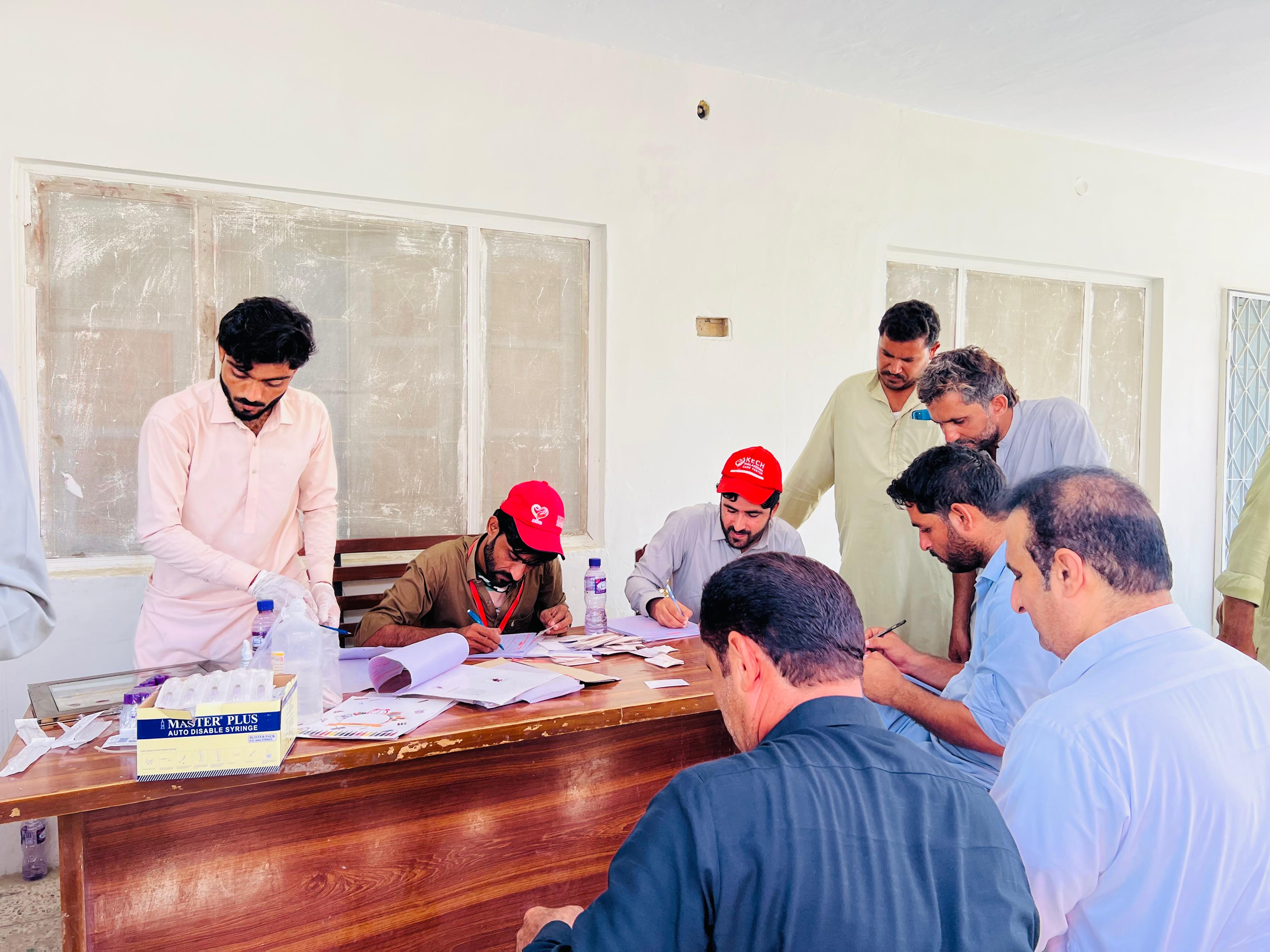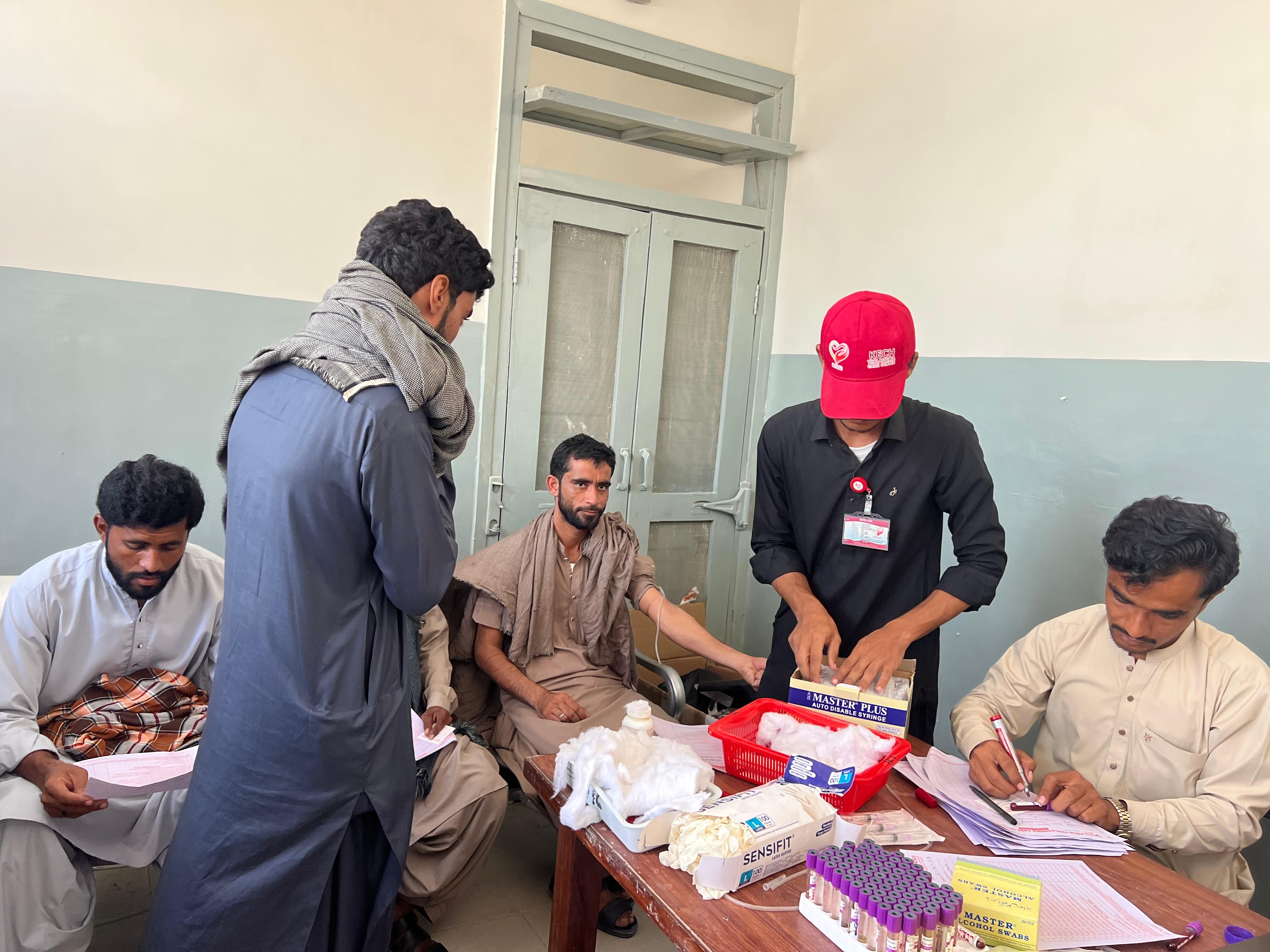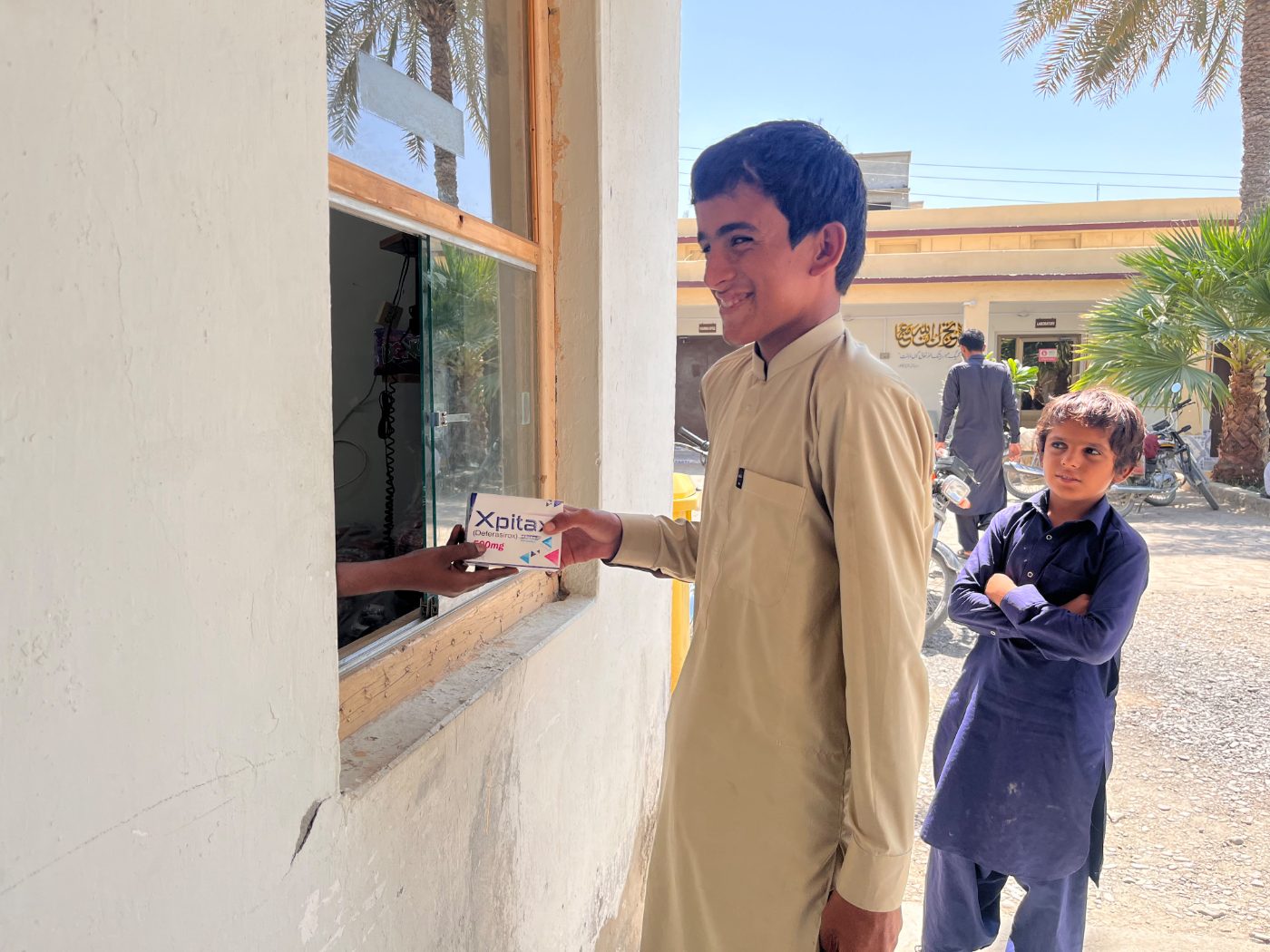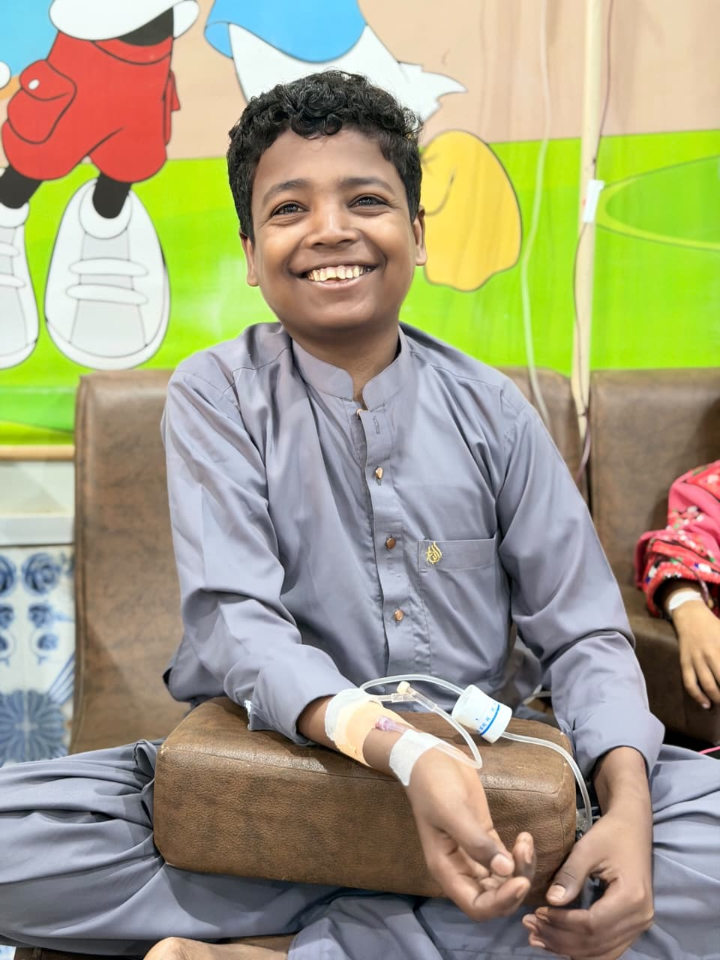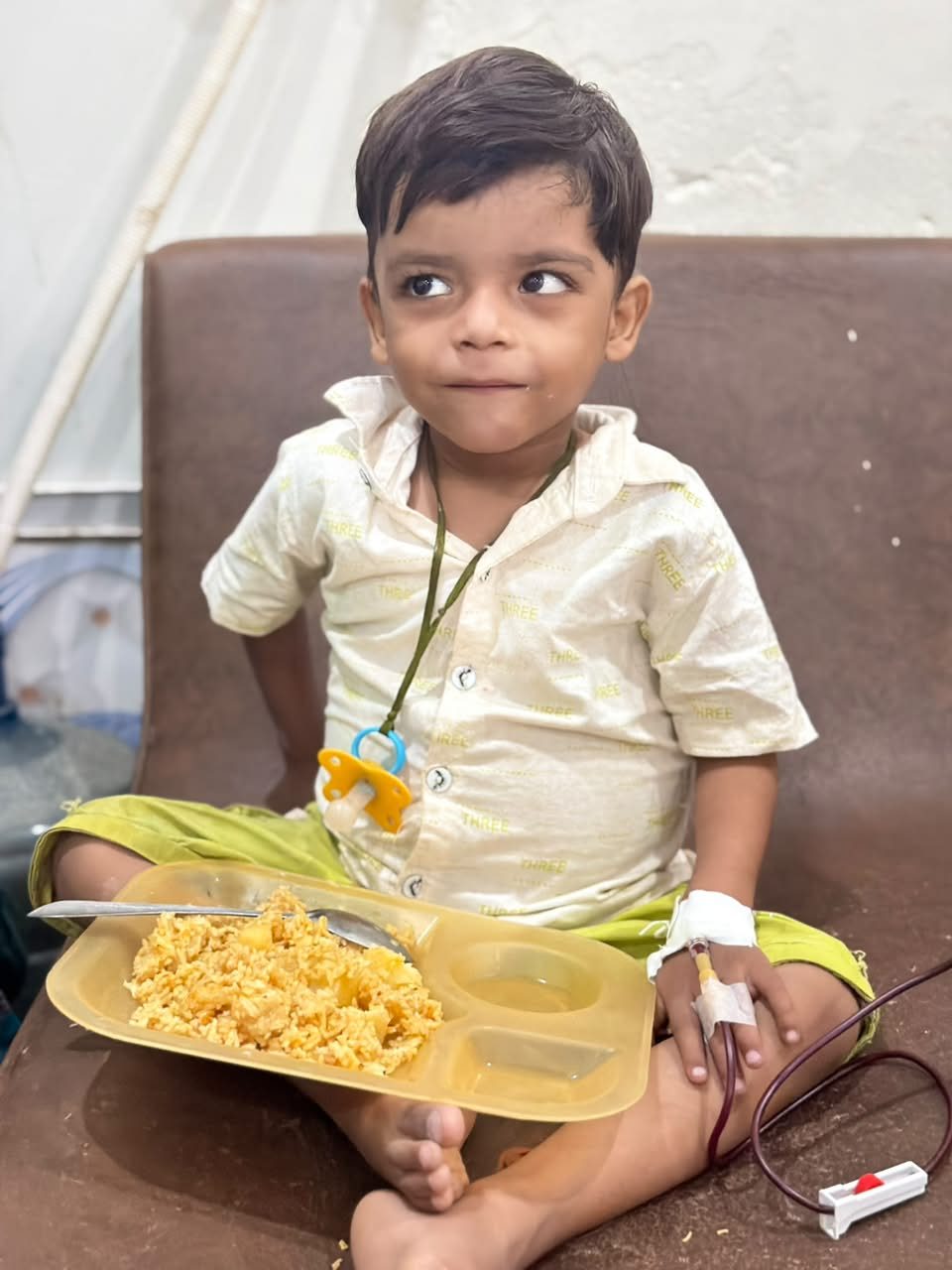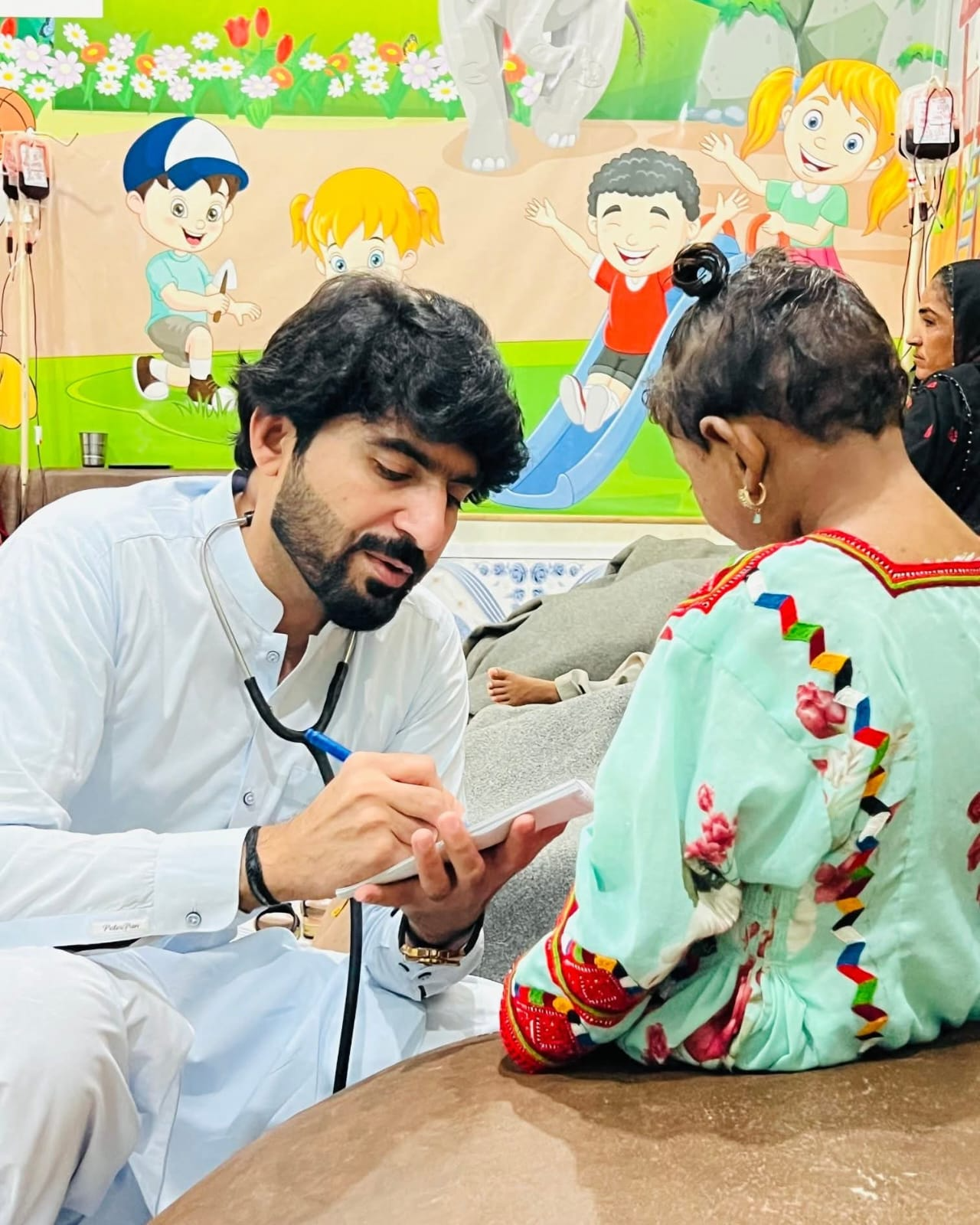
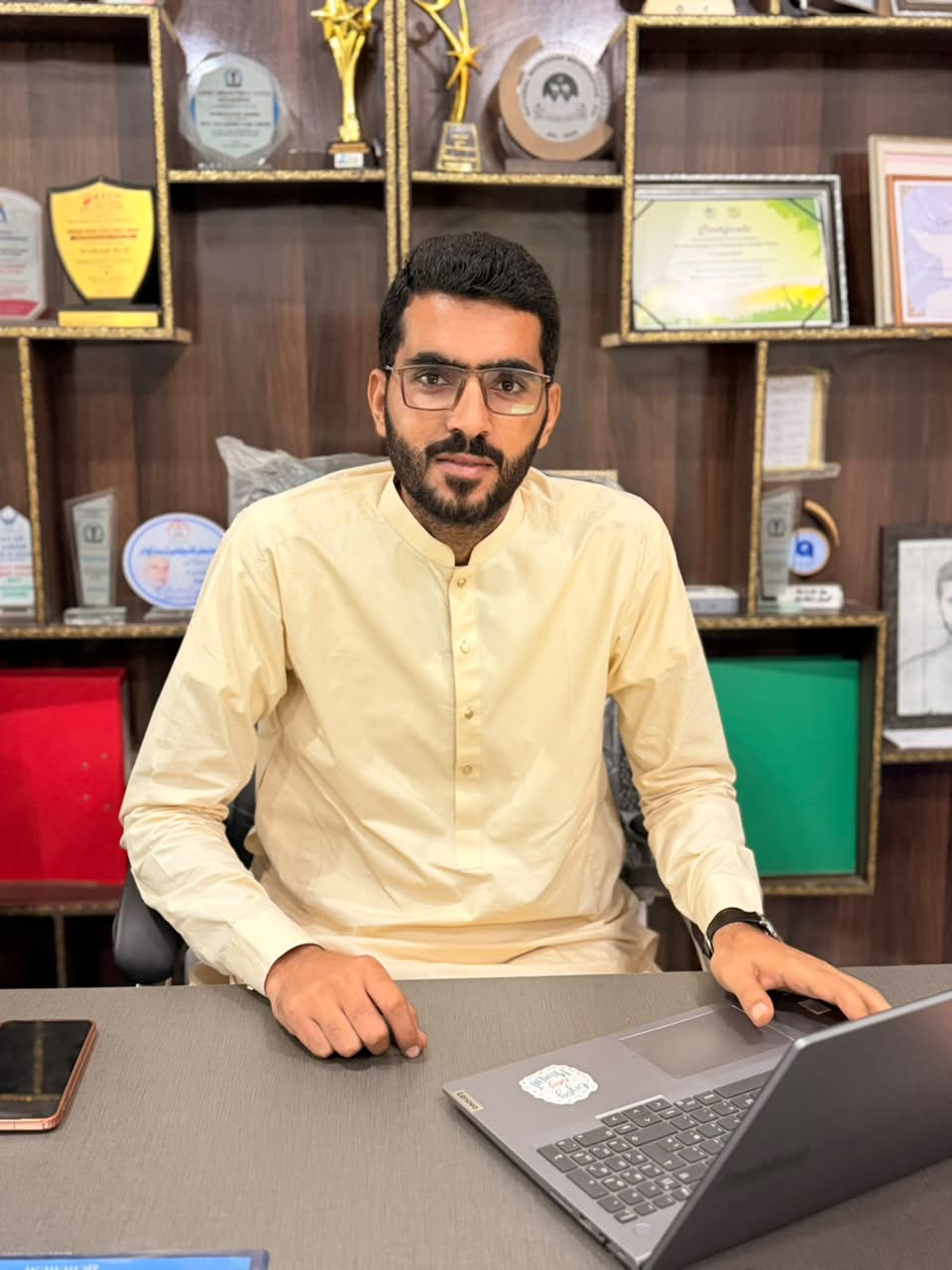
Visit
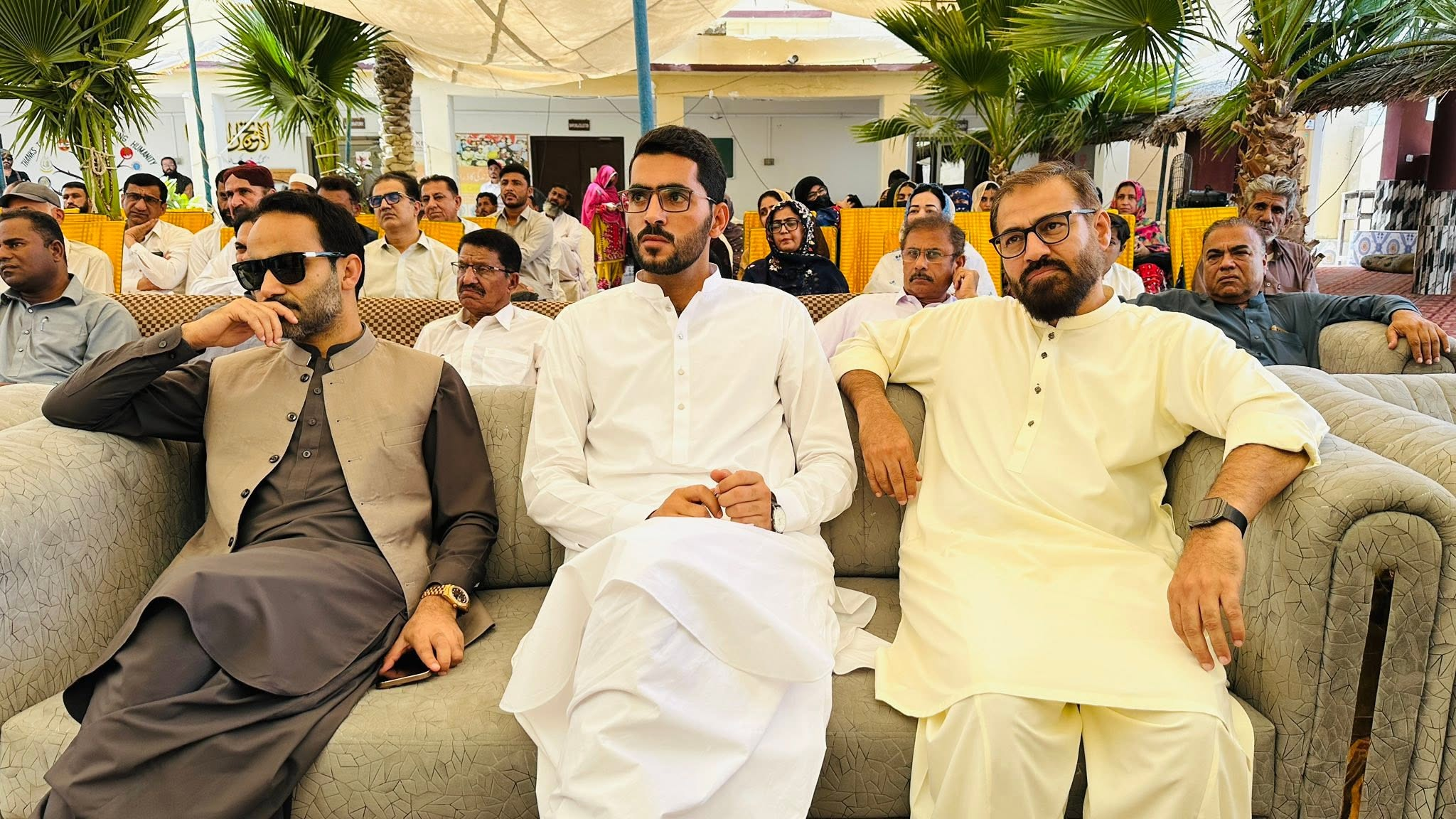
Dr. Abdul Malik Baloch visits KTCC
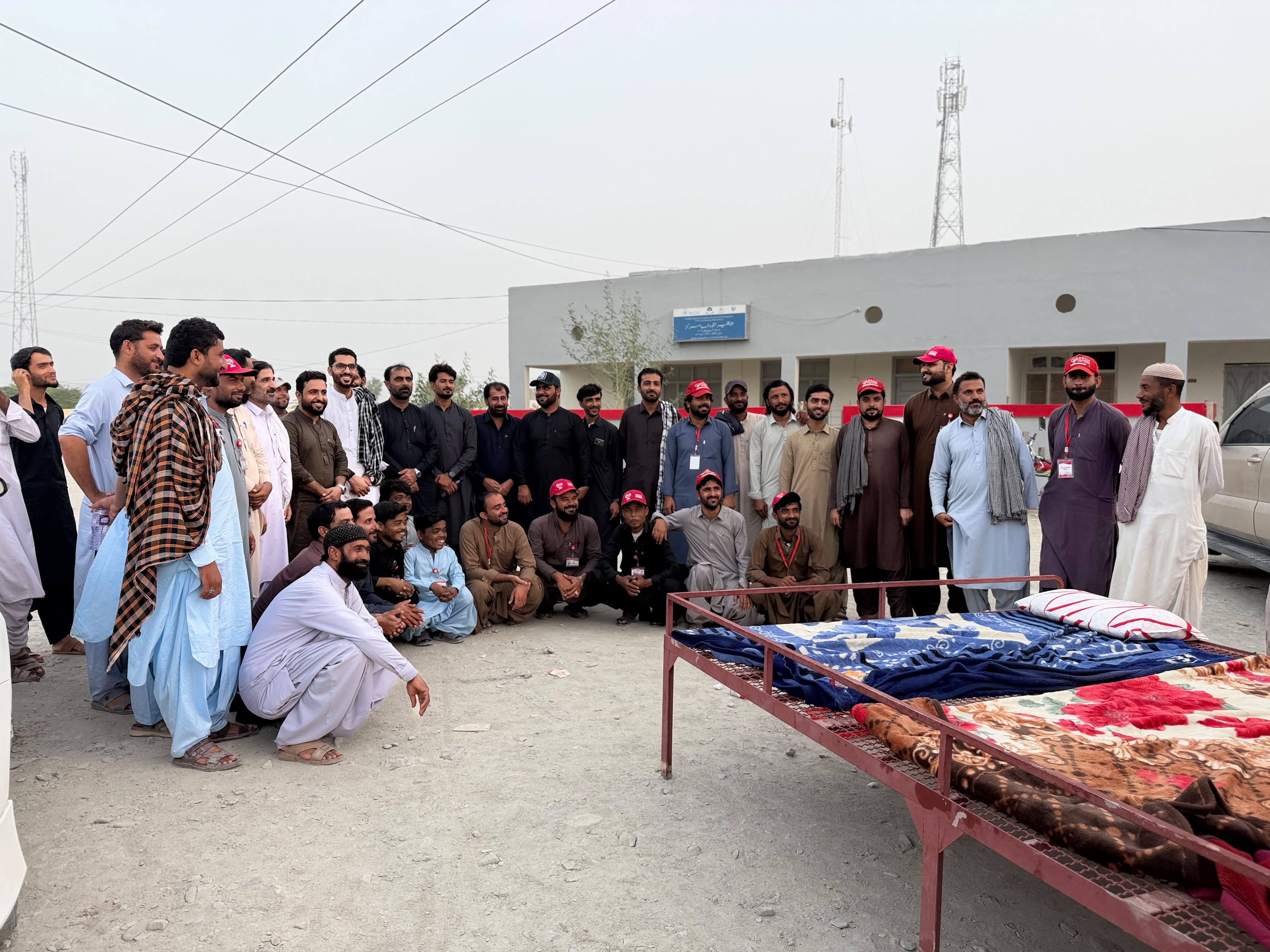
The National Party leader toured the centre and pledged support for its work.
Read more →
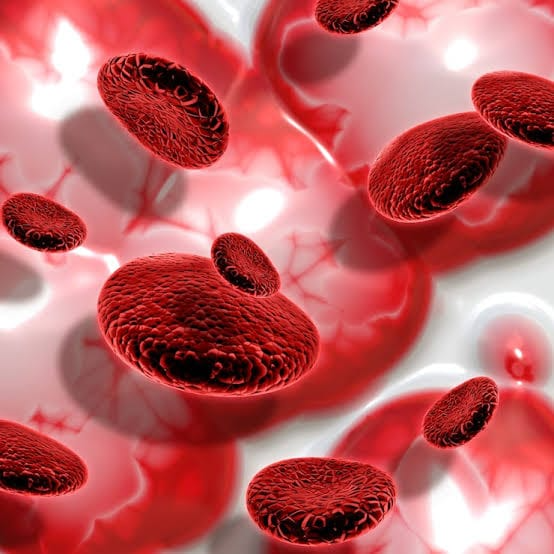
One of the many life-taking blood disorders of genetic origin is Thalassemia. In this, the person's body cannot produce a healthy protein Hemoglobin causing Anemia. There is lack of normal well-functioning red blood cells in the body of the patient with no hemoglobin.
Although it can occur to anyone anywhere, this disorder is most common among patients of certain specific regions. Most prone South European regions like Italy & Greece, Asia, Africa, and Chinese regions. The best we can do is to target the most exposed regions to the disease. A positive outcome among those regions will lower its spread and decrease worldwide occurrence.
A person of the "Minor" type owns one mutated gene. These patients are "CARRIERS". Symptoms like anemia are very mild or absent. They might never know their entire lives whether they were carriers of this disease.
Patients need blood exchange when they develop infection or are planning surgery. They might live a healthy life with no symptoms and no regular need for blood donations.
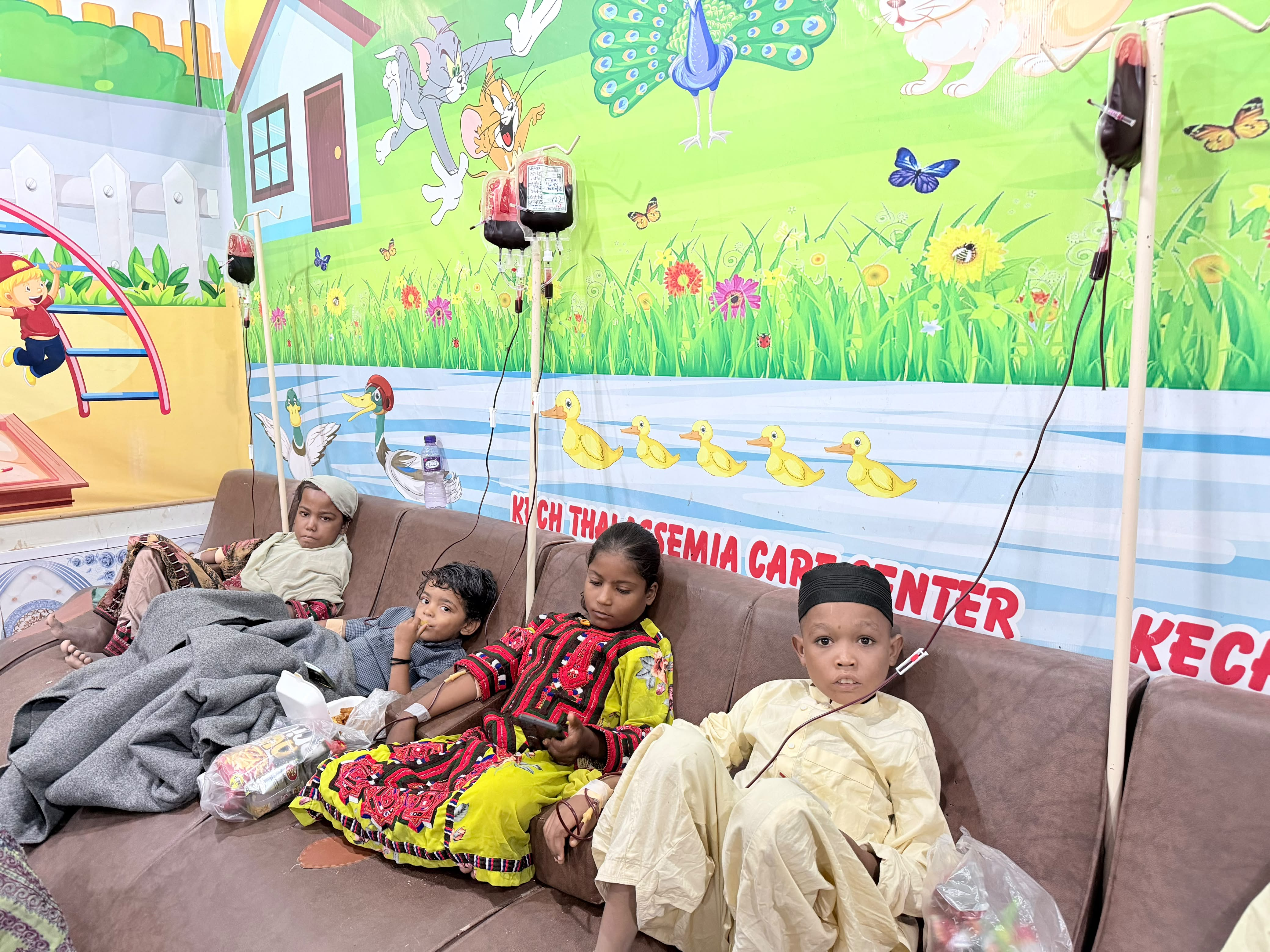
Children by birth own two mutated genes. Their body cannot make normal blood cells, experiencing long-term lethargy and anemia. Less blood promotes early bone weakness and diseases. Blood transfusions at specified durations are the sole solution.
Blood exchange at specified times allows patients to remain alive and thrive. Extra iron settles in the body through regular transfusions — residing in the liver and heart. Medicines like Iron Chelators remove extra iron from blood, increasing life span and allowing patients to build complete families. Advanced therapies keep coming but a permanent cure is not yet present.
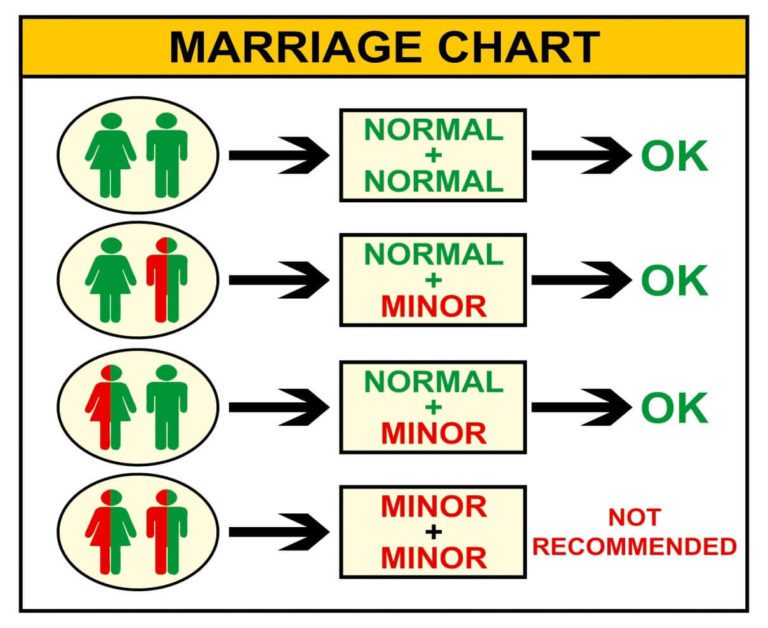
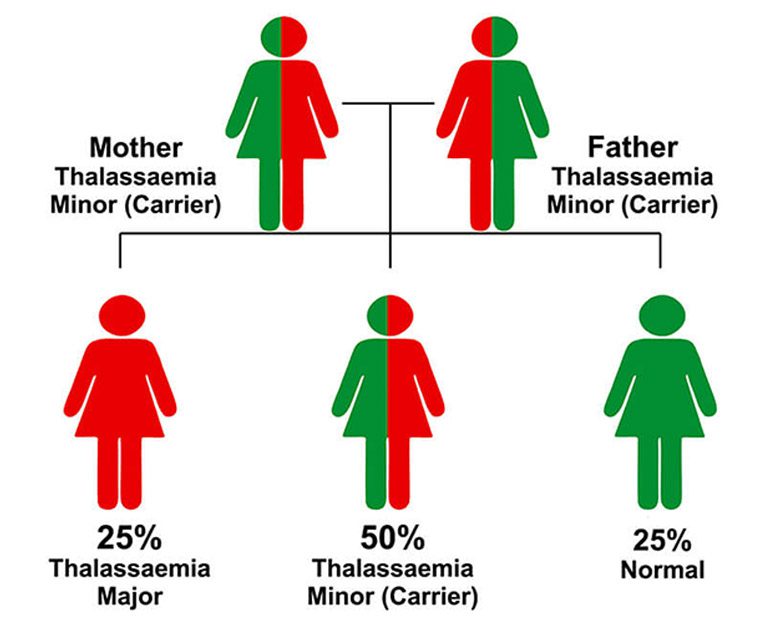
A doctor always asks for "HEMOGLOBIN ELECTROPHORESIS" which tells if you are a carrier. If you know anyone with parents or close relatives from a Thalassemia-common region — please ask your doctor for this test. The chance of having a thalassemia major baby is one-in-four (25%) if both partners are minor type.
If both parents are carriers: 25% chance the newborn is normal, 50% to be minor type, and 25% to be major type. Preventing its spread on a great scale is certainly possible. A youth free from such diseases is the sole way to a brighter future for our children.
Preventive measures are a must. Each one of us must know about the disease and the ways to stop it. Advise your mates, relatives, colleagues, or anyone who might be at risk. Do not forget to visit a doctor and get a blood test for the minor type. The more the world gets to know about this, the more the future of our children stays healthy.
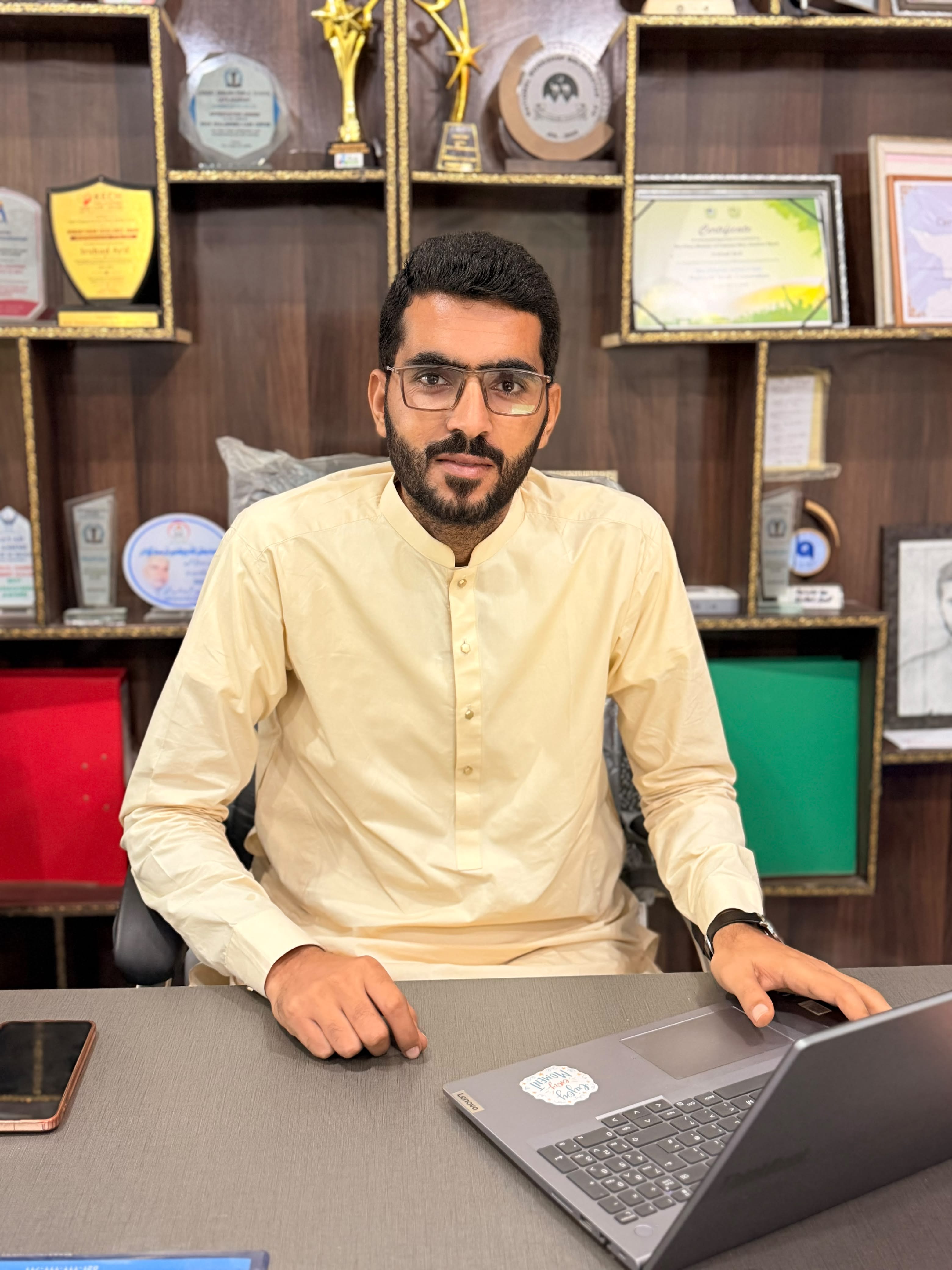
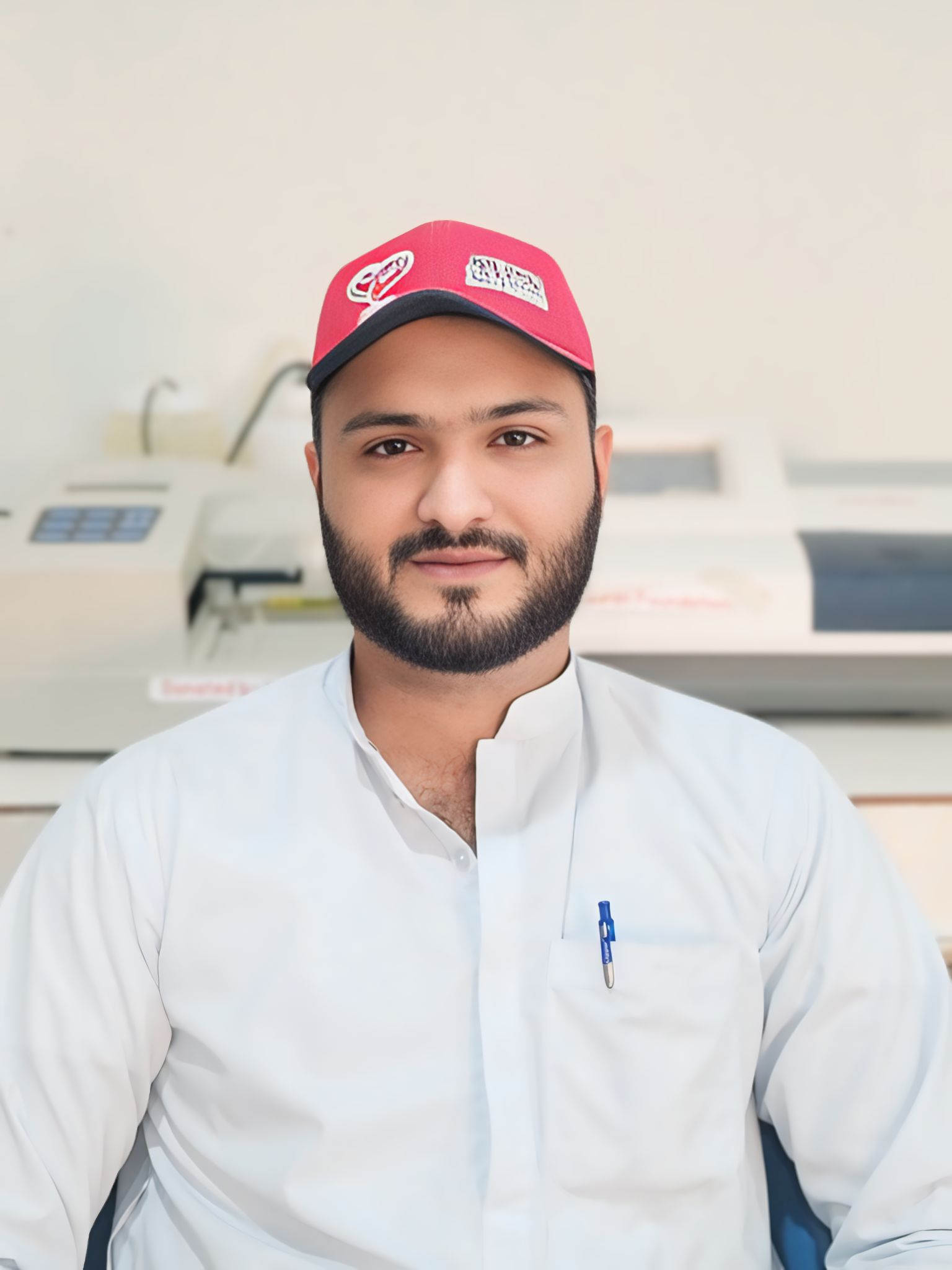
FOUNDER & CHAIRMAN, KTCC (TURBAT)
HEAD OF MANAGEMENT, SAYAD HASHMI HIGH SCHOOL
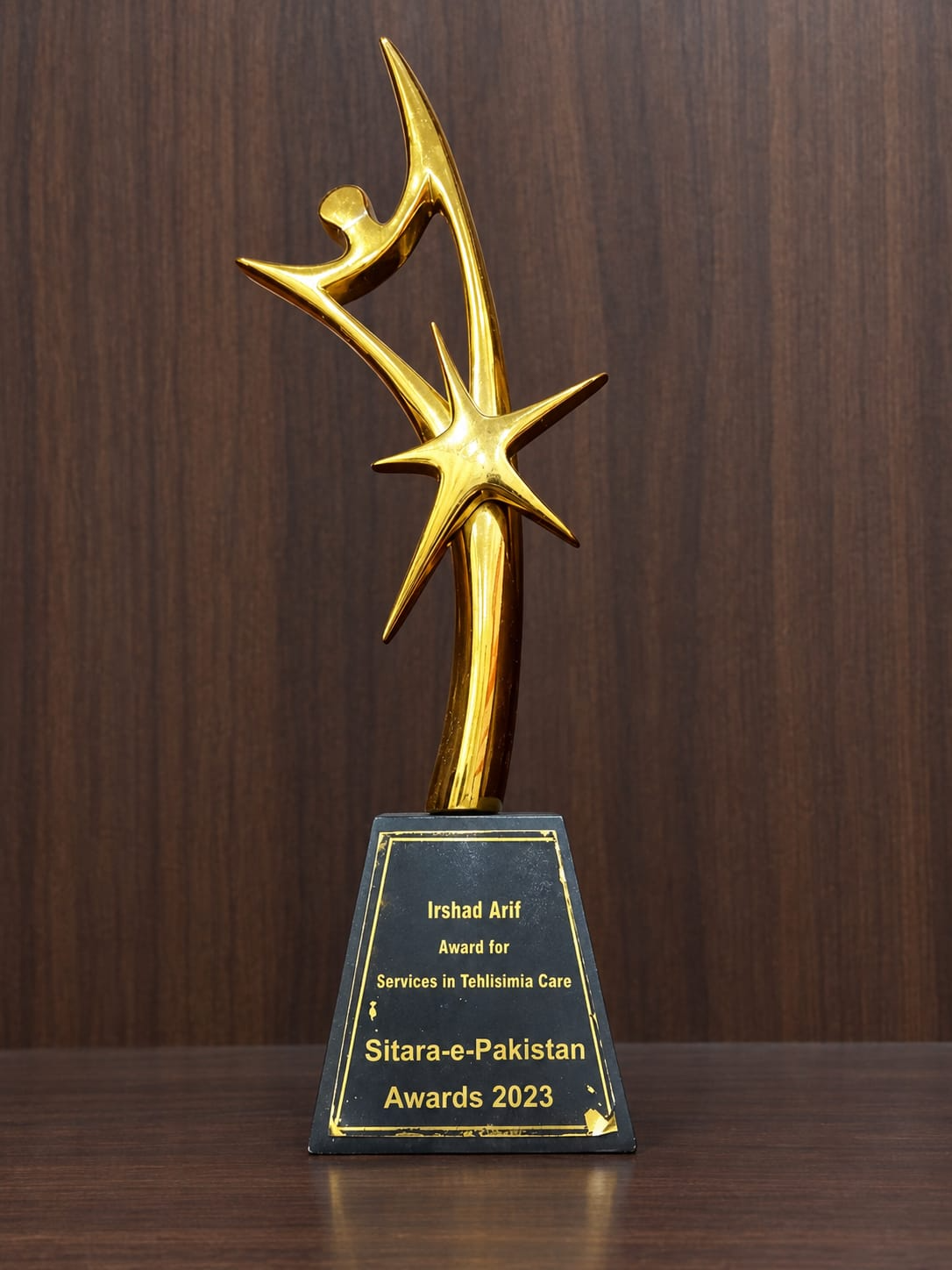
RECIPIENT — SITARA-E-PAKISTAN 2023
📧 irshadarifkechen@gmail.com | 📞 +92 320 8325523
An educator by profession, he serves as Head of Management at Sayad Hashmi High School, Turbat. That background shapes how KTCC is run: as an institution built to last, not a campaign that fades — with proper registration, trained staff, documented systems and public accountability from the outset.
Under his leadership KTCC became the first and largest NGO-run thalassemia care facility in Balochistan, securing licensing from the Balochistan Charities Regulatory Authority and the Balochistan Blood Transfusion Authority, and expanding from transfusion support into screening, prevention and community awareness across District Kech.
In 2023, the President of Pakistan conferred upon him the Sitara-e-Pakistan in recognition of his services to public health and humanitarian work.
He continues to lead KTCC as Chairman, with a stated goal that is deliberately ambitious: a thalassemia-free Balochistan.
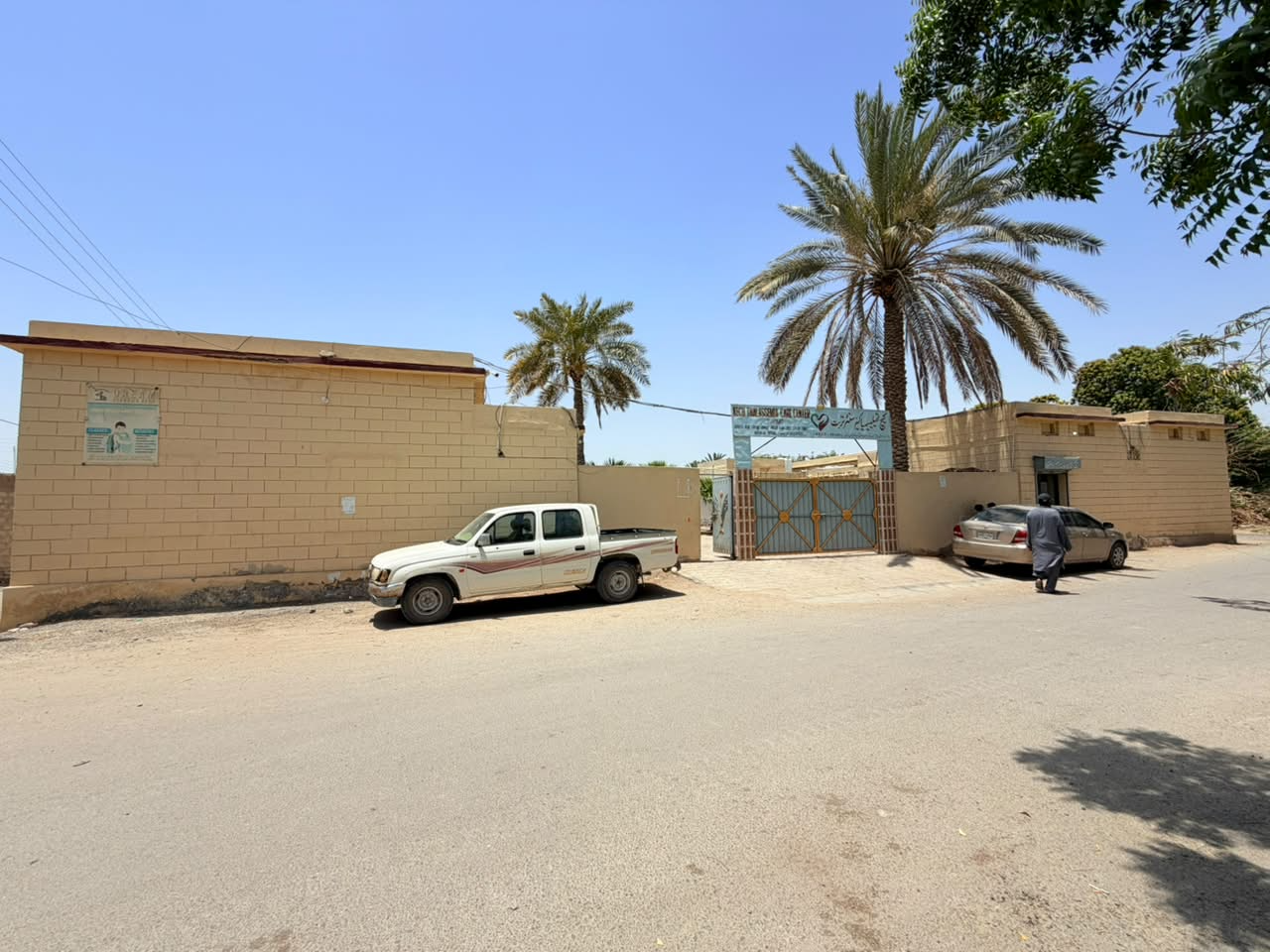
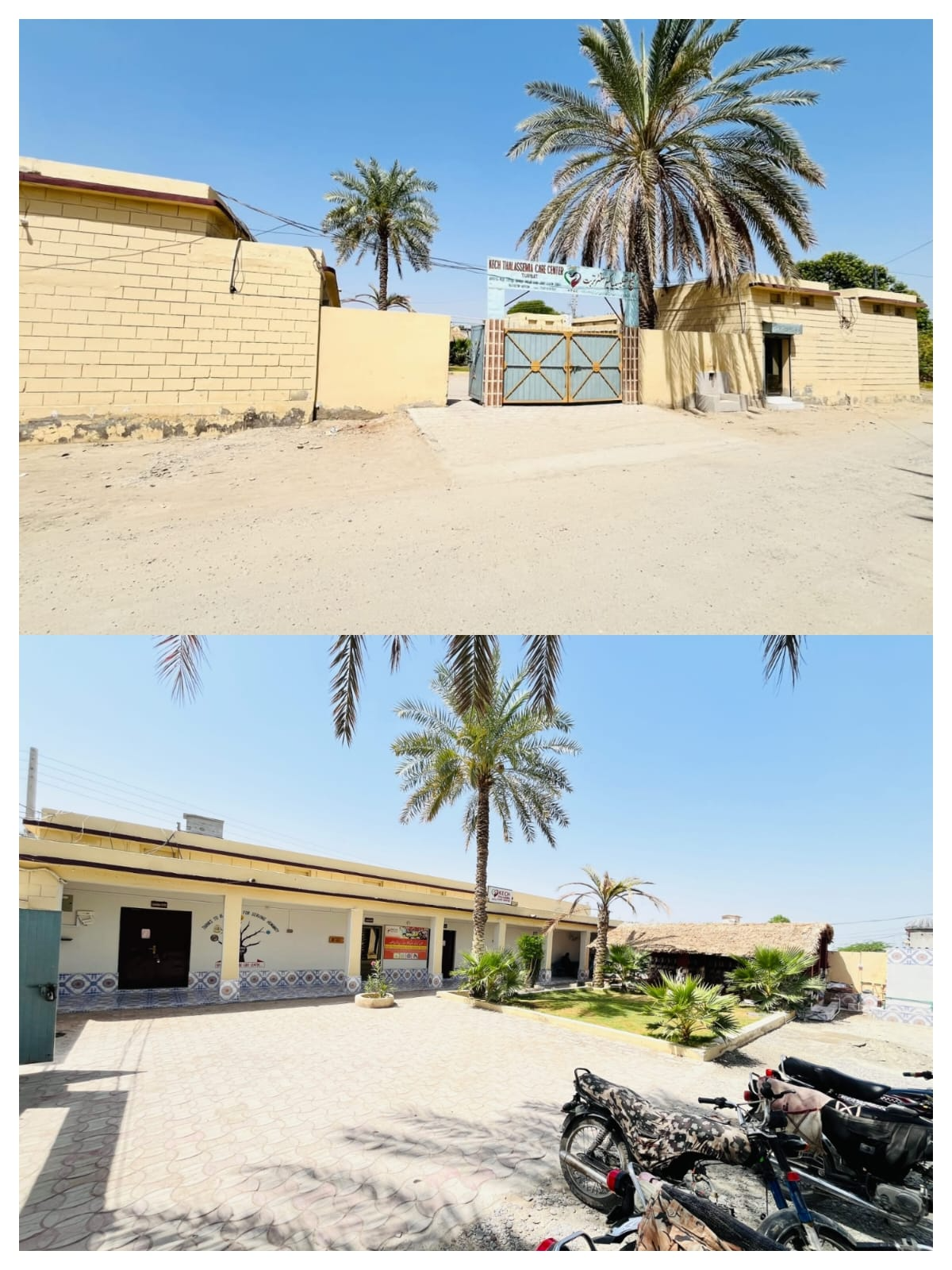
Old Zarat Office, Behind Sayad Hashmi High School, Zarat Colony, Turbat, Balochistan, Pakistan


© 2026 Kech Thalassemia Care Center.
Designed & Developed by Haider Hamza
All Rights Reserved.
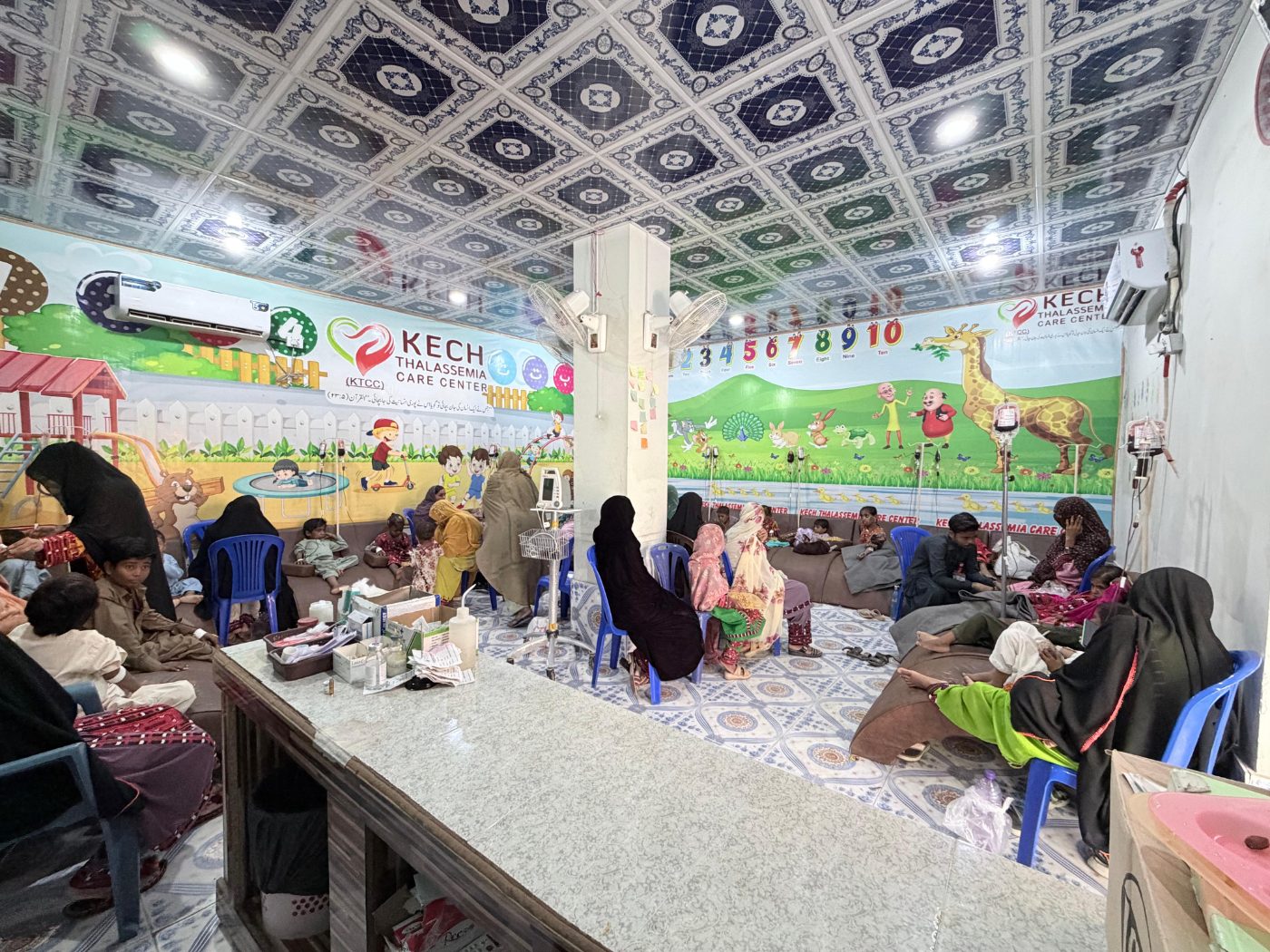
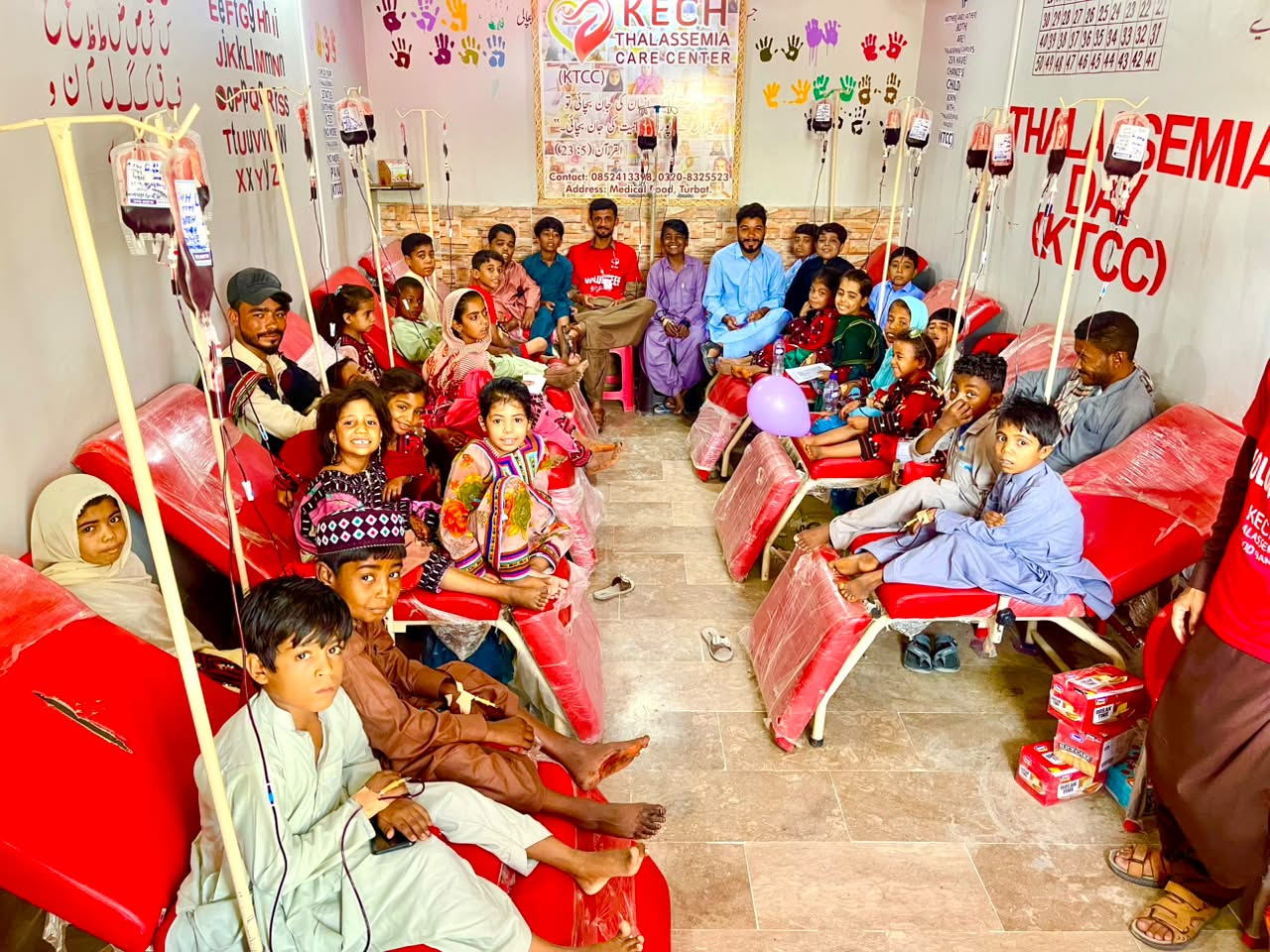
Kech Thalassemia Care Center (KTCC) started with modest means in 2019. By the grace of Almighty Allah and help from all walks of life, KTCC formed a leading thalassemia care center providing advanced personalized care. KTCC is proud to be Balochistan's first dedicated thalassemia facility with comprehensive blood transfusion, screening, and treatment services for patients suffering from thalassemia.
READ MOREIrshad Arif is the founder and chairman of KTCC. A dedicated social activist from Turbat, he established the center in 2019 to provide free medical care to thalassemia patients across the Kech district and wider Balochistan. Under his leadership, KTCC has grown to serve over 500 patients with 24 medical staff.
READ MOREAt KTCC, we believe in the power of collaboration to improve the lives of those affected by thalassemia. We partner to enhance screening, raise awareness, and advocate for policy changes.
The National Party leader toured the centre and pledged support for its work.
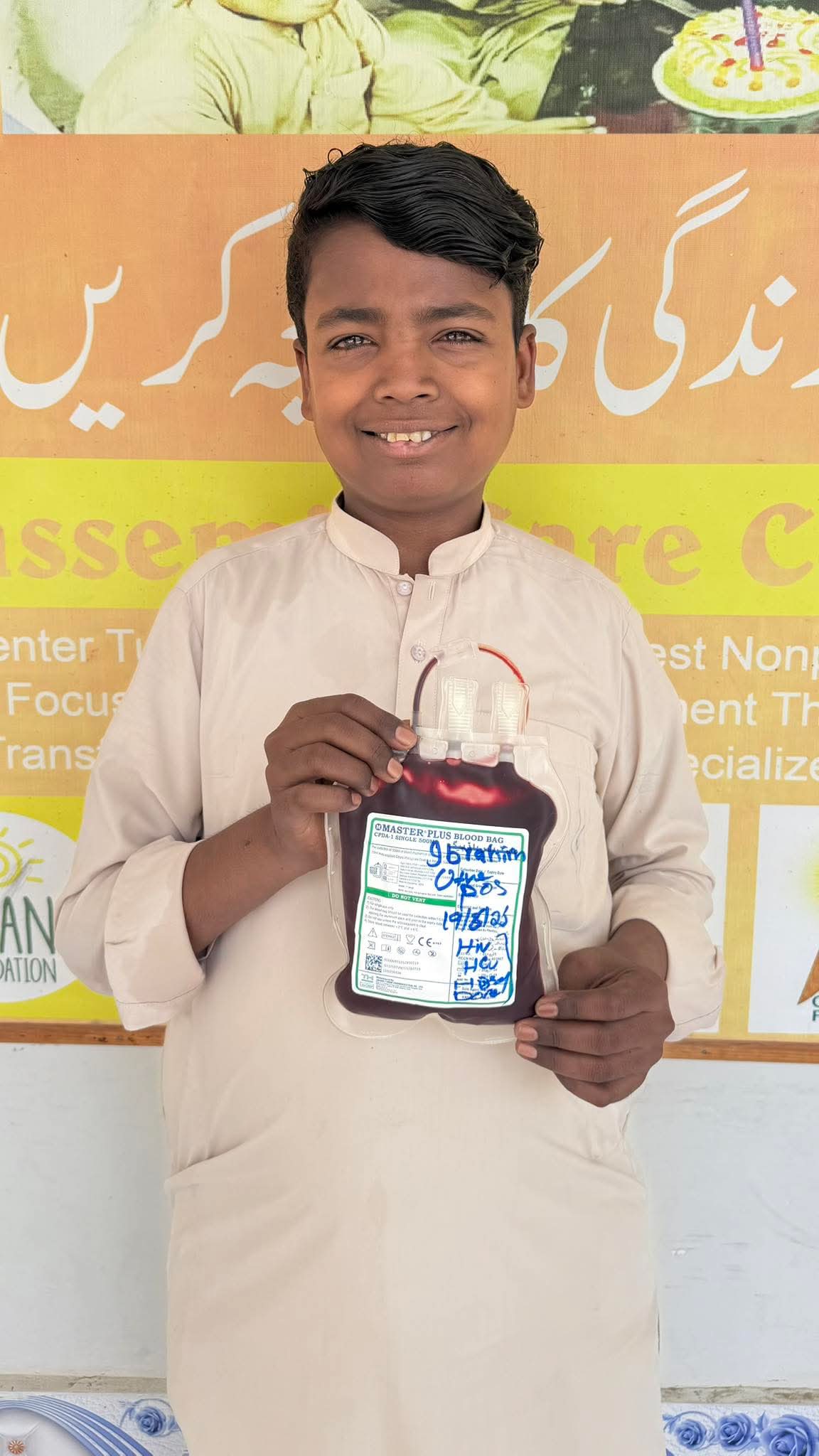
Read more →547 blood units were collected in a single day for thalassemia patients.
Read more →DC Kech inaugurated the new Hb Electrophoresis machine at KTCC.
Read more →Sessions across the Makran region on prevention and premarital screening.
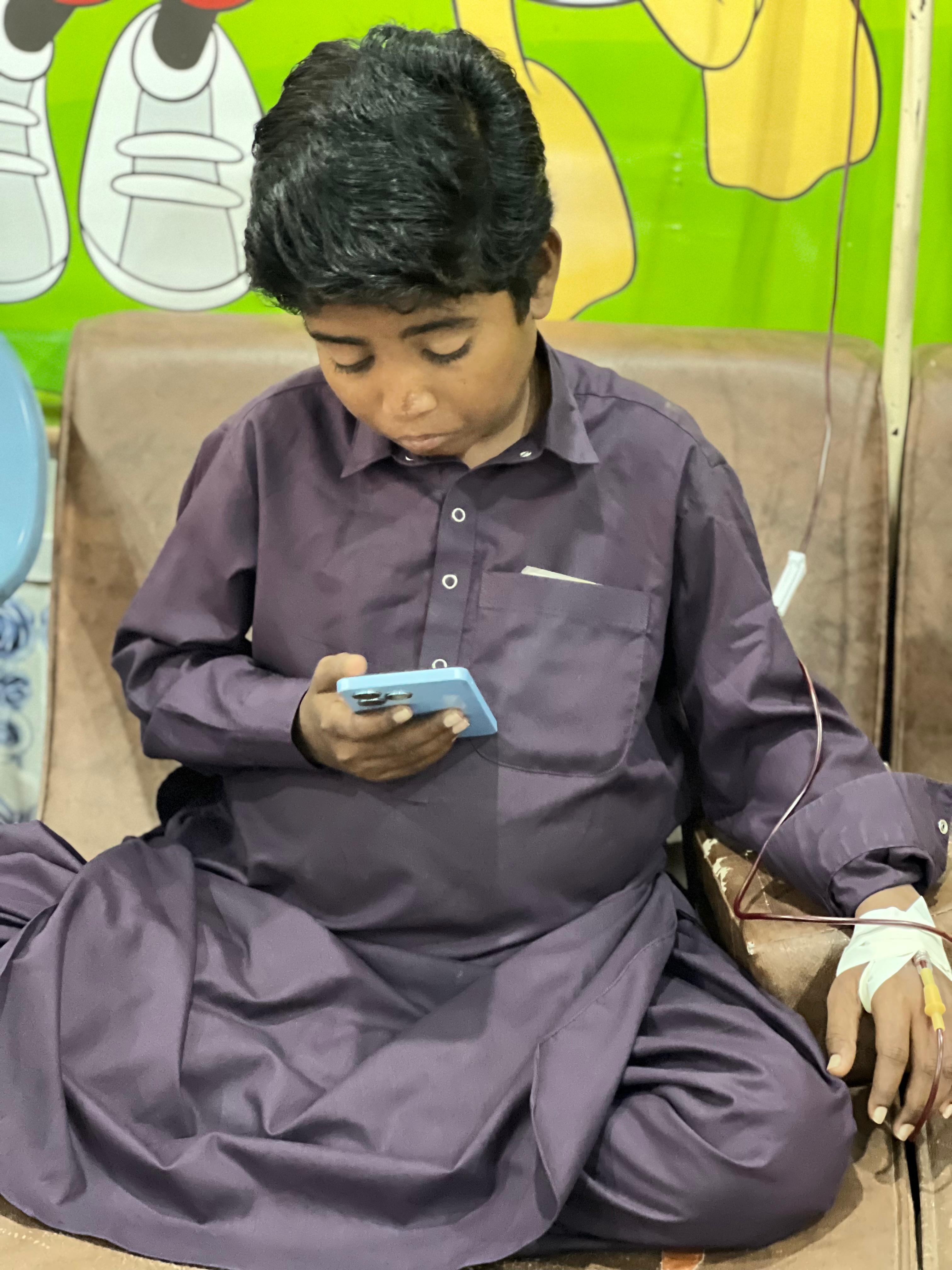
Read more →A 20-year-old thalassemia warrior from Kalatuk, Turbat.
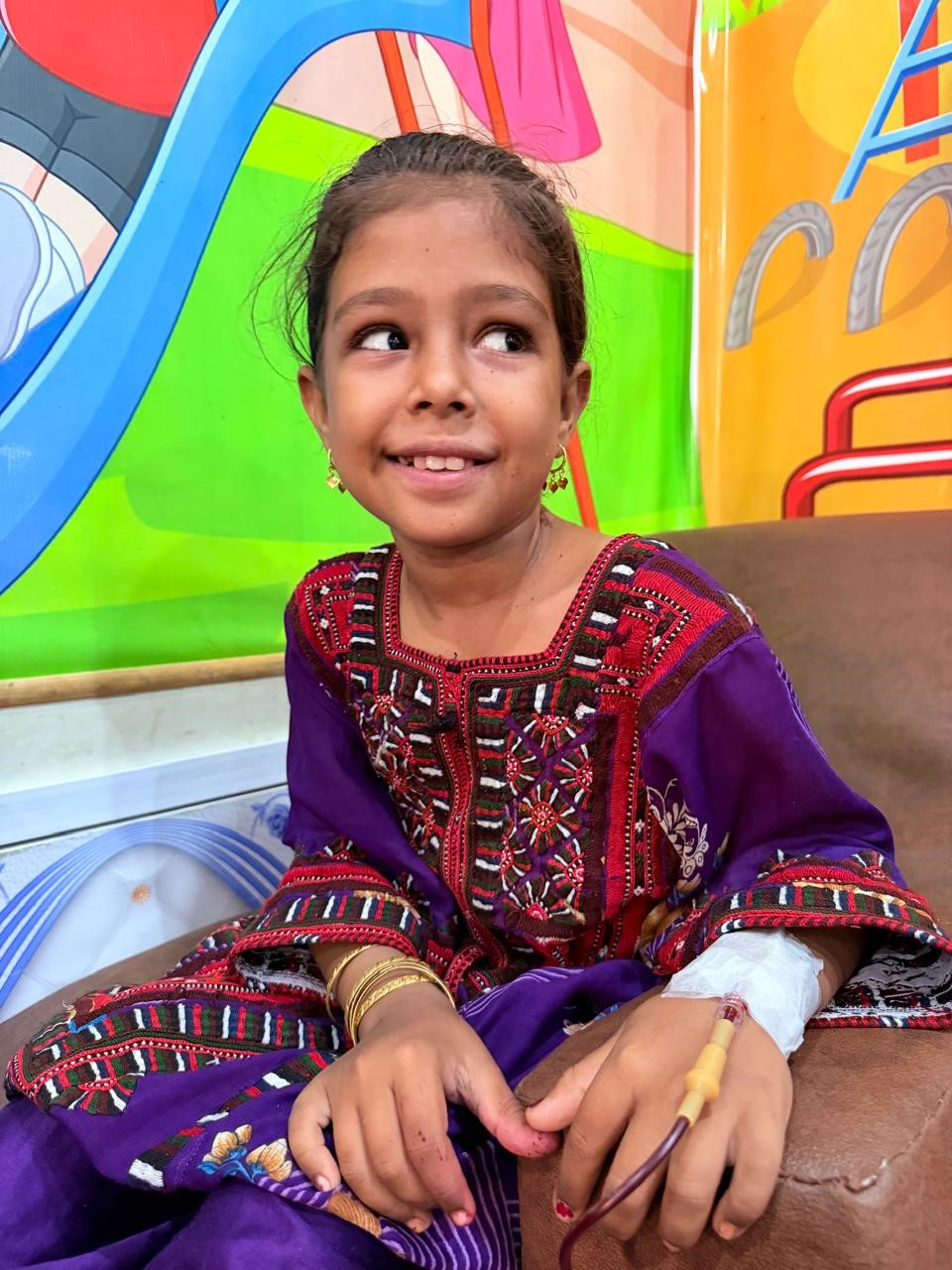
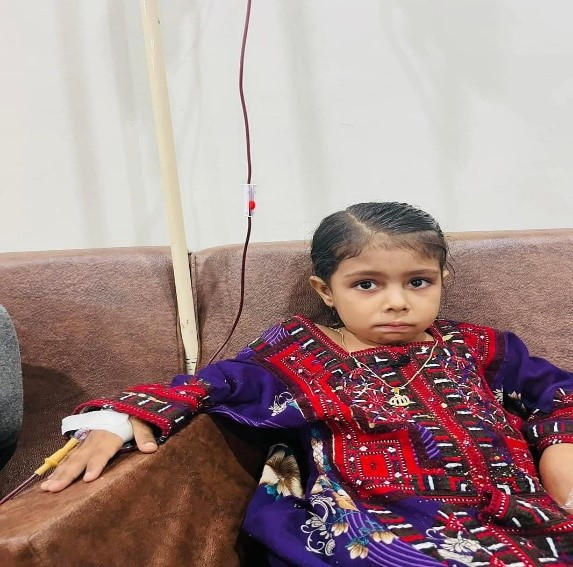
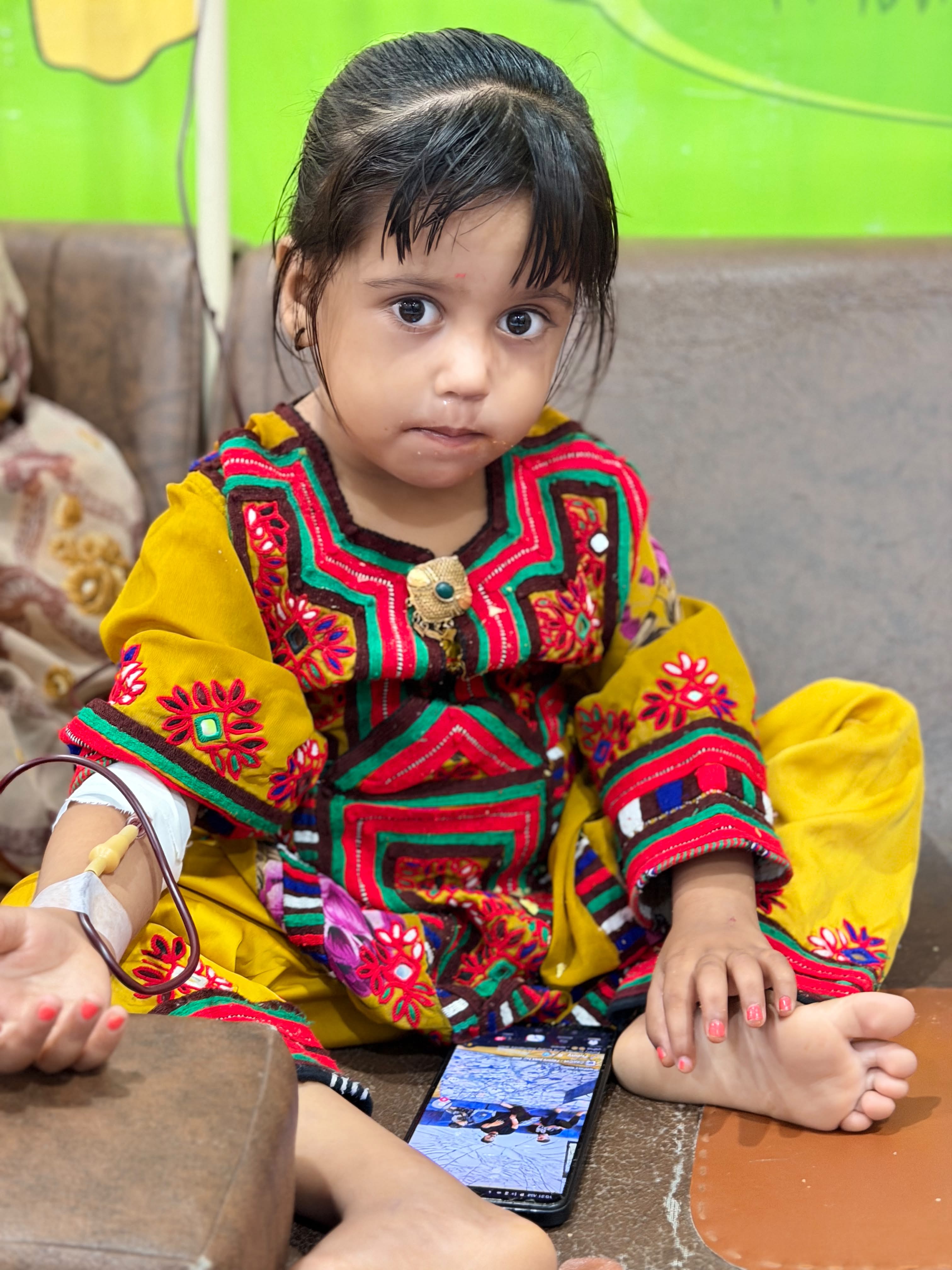
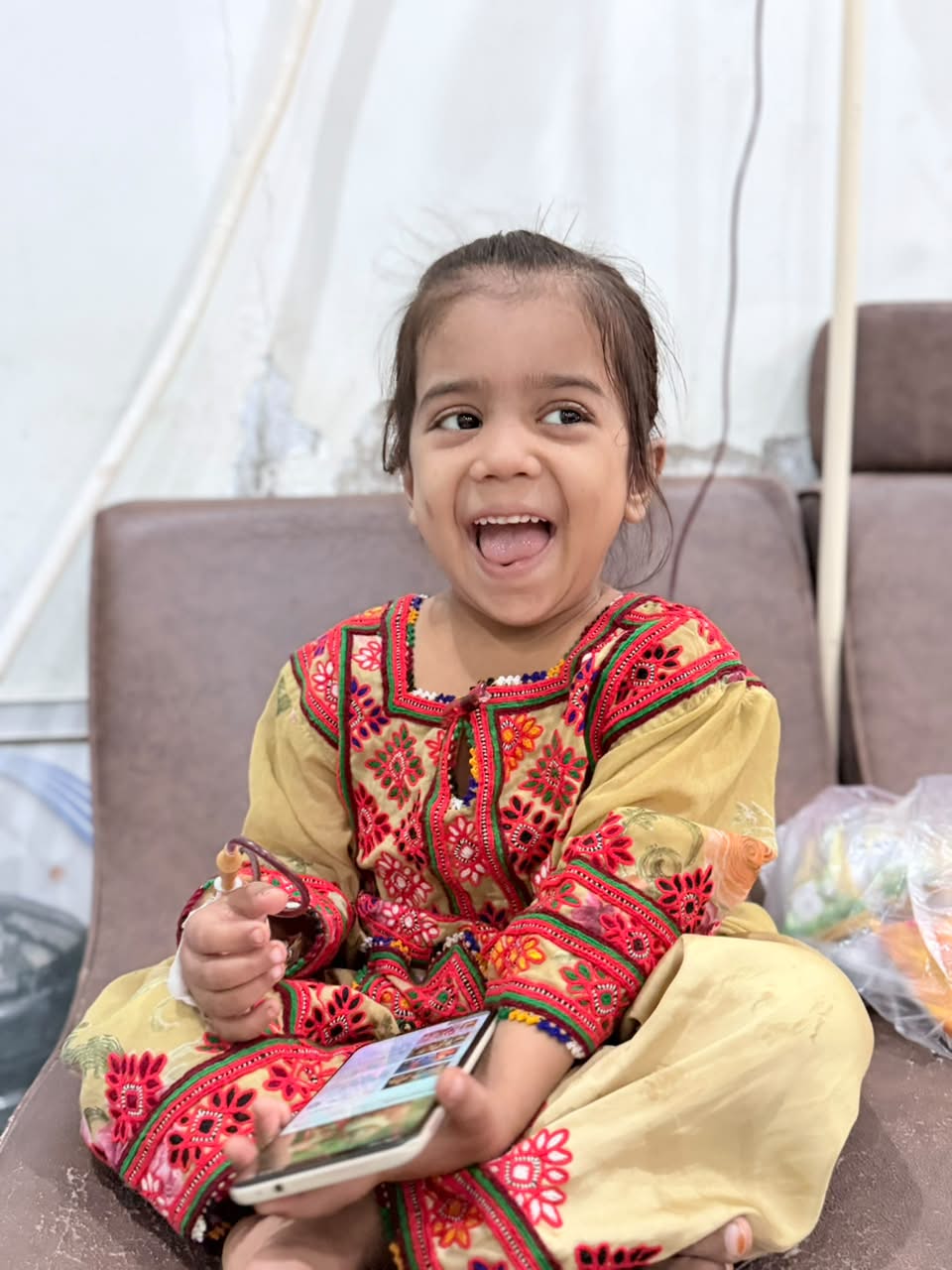
Read more →A mother's courage and a child's smile against thalassemia.
Read more →We are grateful to the organizations that support our mission through funding, resources, and volunteer programs.
Your donations will support us in light of building a better world for these patients. After that, comes a brighter future!
Old Zarat Office, Behind Sayad Hashmi High School, Zarat Colony, Turbat, Balochistan, Pakistan
© 2026 Kech Thalassemia Care Center.
Designed & Developed by Haider Hamza
All Rights Reserved.
One of the many life-taking blood disorders of genetic origin is Thalassemia. In this, the person's body cannot produce a healthy protein Hemoglobin causing Anemia. There is lack of normal well-functioning red blood cells in the body of the patient with no hemoglobin.
Although it can occur to anyone anywhere, this disorder is most common among patients of certain specific regions — South European regions like Italy & Greece, Asia, Africa, and Chinese regions. Targeting the most exposed regions will lower its spread and decrease worldwide occurrence.
It often appears as just a normal blood disease to people. But the types of thalassemia have a very sensitive impact on the patients suffering through it.
A normal human cell consists of various genes. A person of the "Minor" type by birth owns one mutated gene. These minor patients are in general "CARRIERS". The symptoms like anemia for this type of case are very mild or absent. These carriers do not require attention until they have mild anemia symptoms. They might never know their entire lives whether they were the carriers of this disease or not.
This Thalassemia type has often no symptoms. Patients need blood exchange when they develop some infection in the body. When patients are planning for some surgery, it might result in excessive blood loss during the procedure. People might deal with worst symptoms at certain times. They might live a healthy life with no symptoms and no regular need for blood donations.
Children by birth own two mutated genes. Their body cannot make normal blood cells, experiencing long-term lethargy and anemia. Blood transfusions at specified durations are the sole solution to fight this fatal disease.
Blood exchange at specified times allows patients to remain alive and thrive. Extra iron settles in the body through regular transfusions — residing in the liver and heart. Medicines like Iron Chelators remove extra iron from blood, increasing life span. Advanced therapies keep coming but a permanent cure is not yet present.
A doctor always asks for "HEMOGLOBIN ELECTROPHORESIS" which tells if you are a carrier. If you know anyone with parents or close relatives from a Thalassemia-common region — please ask your doctor for this test. The chance of having a thalassemia major baby is one-in-four (25%) if both partners are minor type.
If both parents are carriers: 25% chance the newborn is normal, 50% to be minor type, and 25% to be major type. A youth free from such diseases is the sole way to a brighter future for our children.
Preventive measures are a must. Each one of us must know about the disease and the ways to stop it. Advise your mates, relatives, colleagues, or anyone who might be at risk. Do not forget to visit a doctor and get a blood test for the minor type. The more the world gets to know about this, the more the future of our children stays healthy.
Old Zarat Office, Behind Sayad Hashmi High School, Zarat Colony, Turbat, Balochistan, Pakistan
© 2026 Kech Thalassemia Care Center.
Designed & Developed by Haider Hamza
All Rights Reserved.
The KTCC was founded by Irshad Arif in 2019 with the help of philanthropists, social workers, and the parents of children suffering from Thalassemia. KTCC's aim is to provide FREE OF COST quality health care to children suffering from Blood Disorders, especially Thalassemia. The center is the largest thalassemia treatment and prevention facility in Balochistan. Our 100% patients are treated free of cost with the concept that OUR PATIENTS ARE OUR GUESTS.
To provide comprehensive care, support, and treatment to individuals affected by thalassemia, enhancing their quality of life through accessible medical services, education, and awareness. We strive to foster a community where individuals with thalassemia and their families are empowered to live healthier, fuller lives.
A thalassemia-free future where every individual, regardless of their background, has access to world-class medical care, compassionate support, and the knowledge to prevent and manage thalassemia. We envision a society free from stigma, where early detection, treatment, and prevention are priorities for everyone.
Our core values define who we are and guide everything we do. Compassion is at the heart of our mission, driving us to provide empathetic and personalized care to individuals affected by thalassemia. We are committed to excellence, ensuring that every aspect of our medical treatment, research, and support services meets the highest standards.
Help us build a thalassemia free Pakistan.
As one of the pillars of Islam, zakat is a form of obligatory charity that has the potential to ease the suffering of millions.
In Islam, many acts can lead to innumerable rewards both today and hereafter, commonly known as Sadaqah Jariyah.
Volunteer and contribute to the KTCC activities as per your skillset and make a difference.
Help us turn hope into healing.
Your donation can change the life of a child with thalassemia today!
DONATE NOWOld Zarat Office, Behind Sayad Hashmi High School, Zarat Colony, Turbat, Balochistan, Pakistan
© 2026 Kech Thalassemia Care Center.
Designed & Developed by Haider Hamza
All Rights Reserved.
A child in Kech needing blood had two options: travel hundreds of kilometres to Karachi, or wait. KTCC was founded in the old Agriculture Extension office in Turbat to end that choice — the first NGO-run thalassemia care facility in Balochistan.
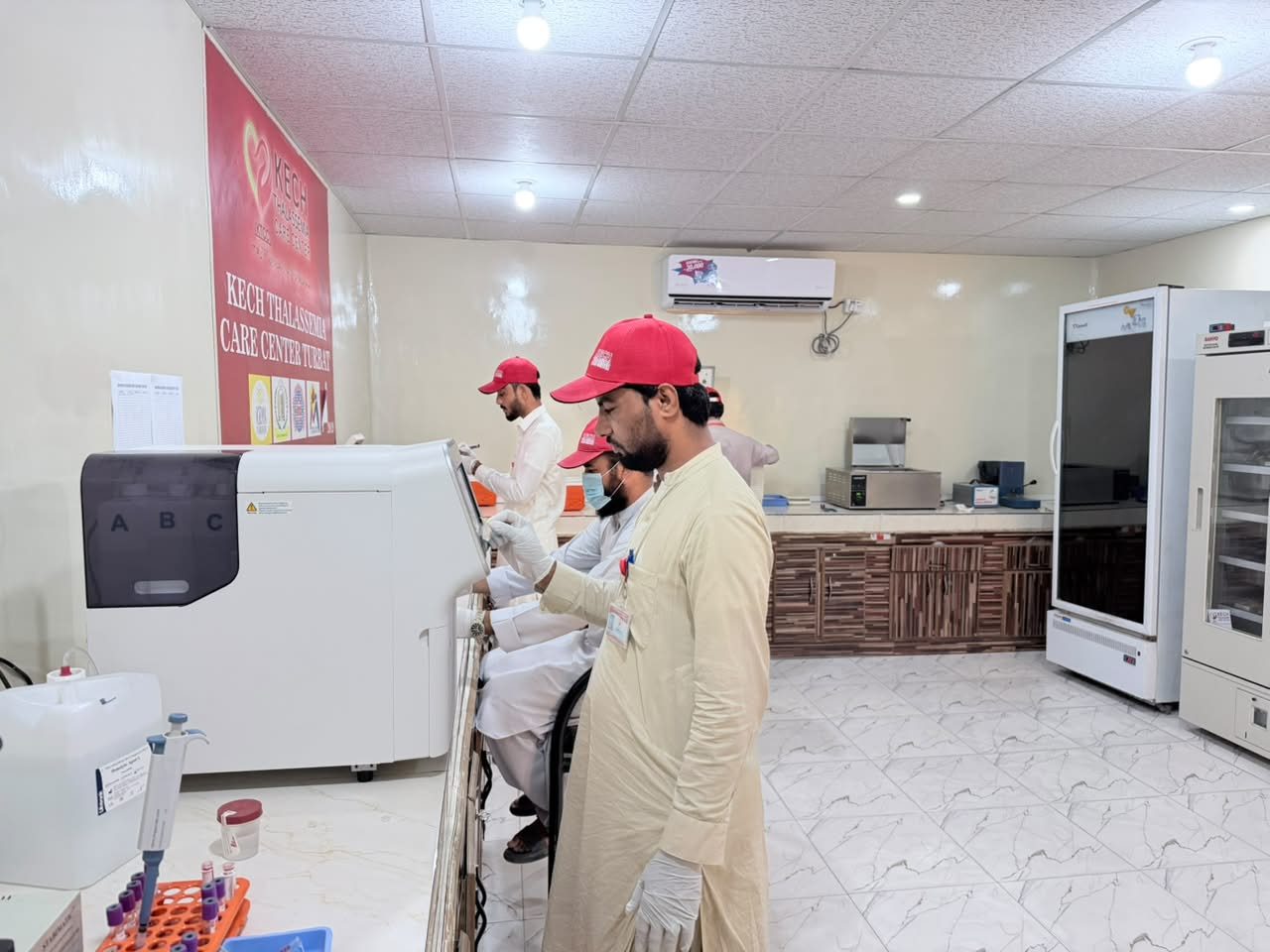
Over 520 blood donation camps and 450+ community awareness programmes across the Makran region. Added HB electrophoresis screening, laboratory services and a pharmacy. Registered with Balochistan Charities Regulatory Authority, licensed as a blood bank, and registered with the Federal Board of Revenue.
The President of Pakistan conferred the Sitara-e-Pakistan upon KTCC's founder in recognition of services to public health and humanitarian work — affirming our commitment to Pakistan's most vulnerable communities.
500+ registered patients served entirely free of charge. 600+ transfusions every month. Thalassemia is preventable, and Balochistan deserves a future without it.
"Whoever saves one life, it is as if he has saved all of mankind."
— Surah Al-Ma'idah 5:32
Old Zarat Office, Behind Sayad Hashmi High School, Zarat Colony, Turbat, Balochistan, Pakistan
© 2026 Kech Thalassemia Care Center.
Designed & Developed by Haider Hamza
All Rights Reserved.
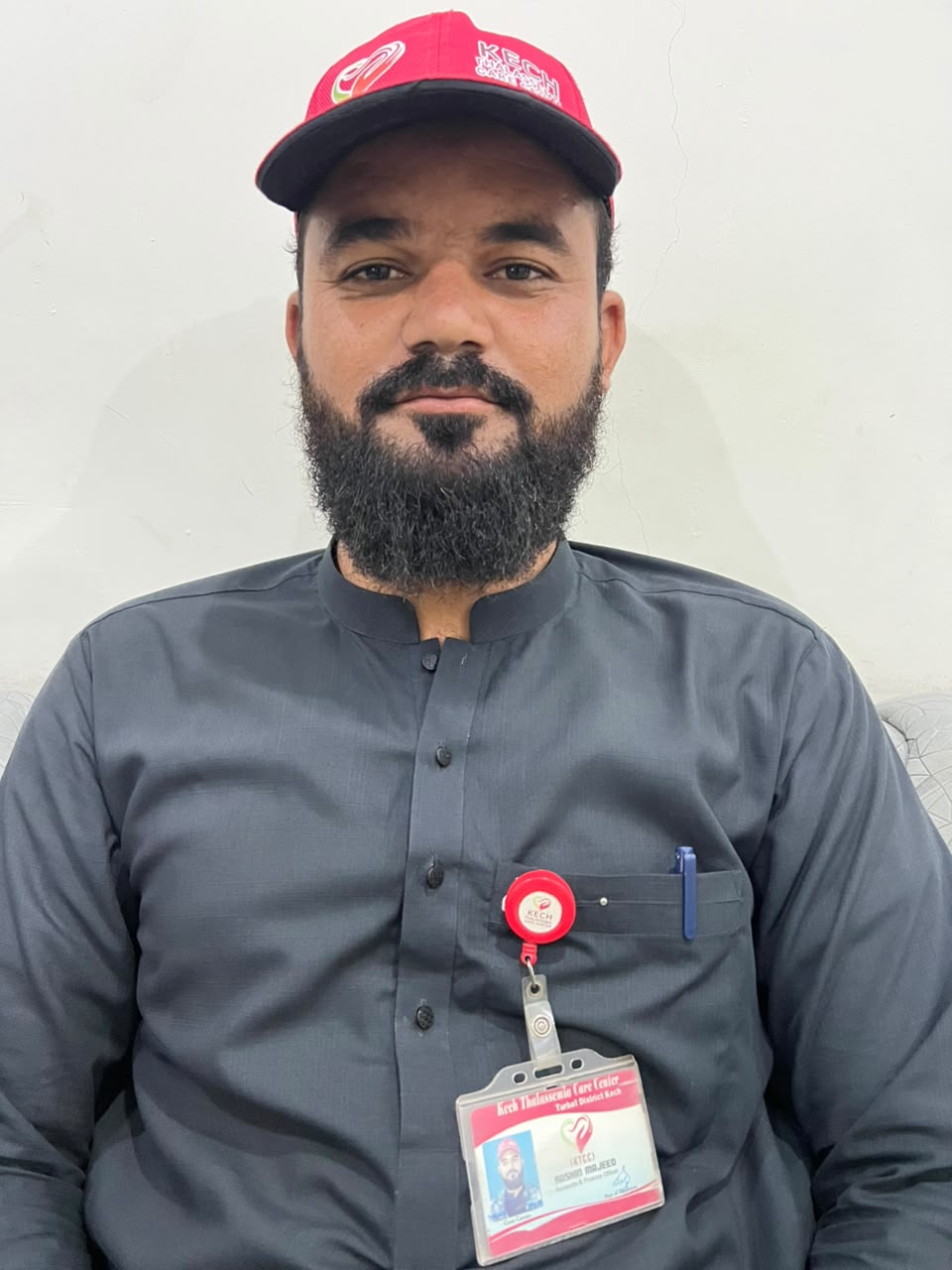
Responsible for overseeing the operations of KTCC and making strategic decisions that align with vision and mission, manage team and ensure compliance with laws and regulations.
Old Zarat Office, Behind Sayad Hashmi High School, Zarat Colony, Turbat, Balochistan, Pakistan
© 2026 Kech Thalassemia Care Center.
Designed & Developed by Haider Hamza
All Rights Reserved.
Mobile No: 03208325523 | Phone: 0852413398
Old Zarat Office, Behind Sayad Hashmi High School, Zarat Colony, Turbat, Balochistan, Pakistan
© 2026 Kech Thalassemia Care Center.
Designed & Developed by Haider Hamza
All Rights Reserved.
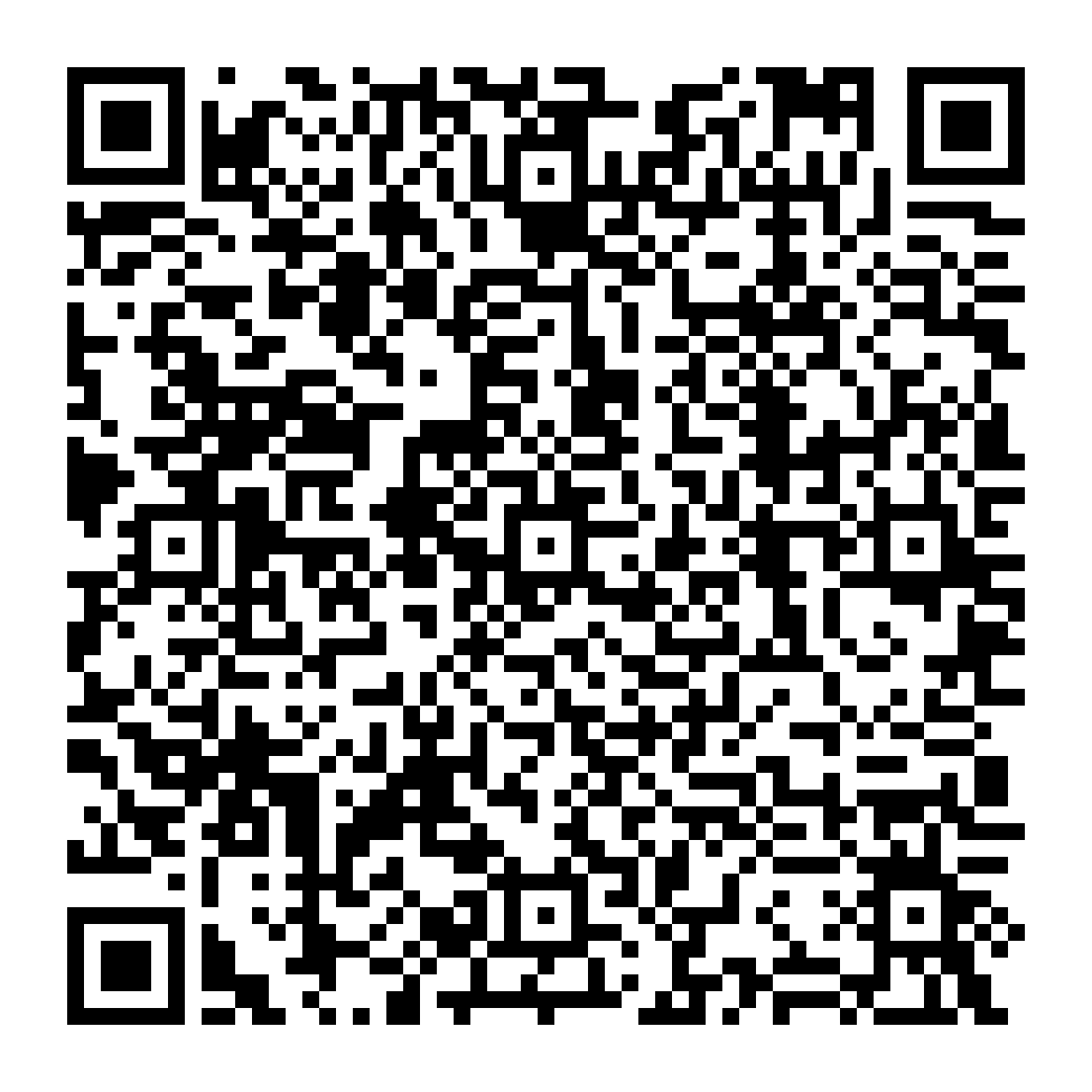
Your generous donation can bring hope and life to thalassemia patients in need. Every contribution counts!
Scan the QR code using your Meezan Bank app to make a donation to Kech Thalassemia Care Center.
TID: 10418019
For Donate Contact
0332 0204838
Old Zarat Office, Behind Sayad Hashmi High School, Zarat Colony, Turbat, Balochistan, Pakistan
© 2026 Kech Thalassemia Care Center.
Designed & Developed by Haider Hamza
All Rights Reserved.
Old Zarat Office, Behind Sayad Hashmi High School, Zarat Colony, Turbat, Balochistan, Pakistan
© 2026 Kech Thalassemia Care Center.
Designed & Developed by Haider Hamza
All Rights Reserved.
Old Zarat Office, Behind Sayad Hashmi High School, Zarat Colony, Turbat, Balochistan, Pakistan
© 2026 Kech Thalassemia Care Center.
Designed & Developed by Haider Hamza
All Rights Reserved.
Life is the most challenging moment that can cast a shadow of unpredictability, making existence feel devoid of meaning and purpose. During these times, despair can be overwhelming, blurring the lines between what is real and what seems impossible. Yet, it is often in these darkest hours that life reveals its most profound twists, igniting a renewed sense of purpose and a deep appreciation for existence. For those battling thalassemia, the recurring need for blood transfusions can feel like a recurring nightmare, a stark reminder of the challenges they face. While suffering is an undeniable part of life, it is not permanent; it eventually recedes, making way for Allah’s blessings and a clearer vision of life’s purpose. Shoaib’s story is a testament to this resilience and the transformative power of hope.
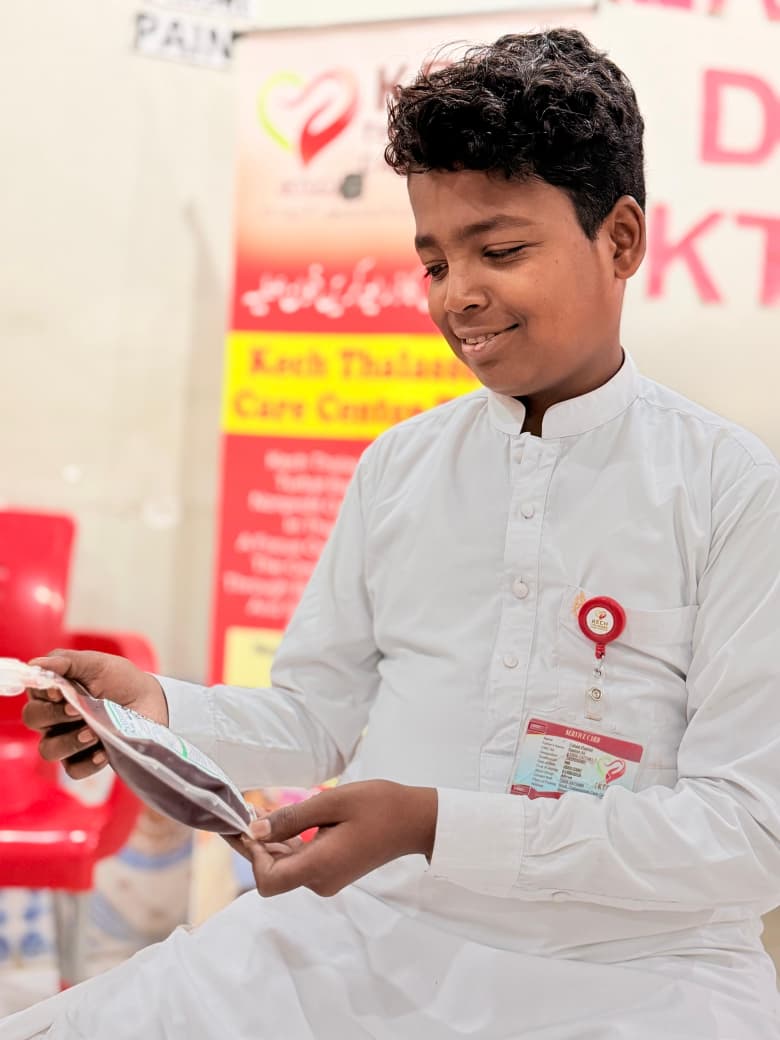
Shoaib Javed is a battling thalassemia patient hailing from Singanisar, Turbat, whose blood group is O-positive. In the early days of his life, approximately between 6 months and 1 year, he got extremely ill and was taken to the hospitals in Turbat for treatment. But due to no recovery, he was taken to Karachi. After the tests, the doctors told his parents that their child had been diagnosed with thalassemia major. “The moment my parents were told about the disease, it was as if the world became a dark circle for them,” said Shoaib Javed. The doctors told them that for his entire life, he would require blood every 10 to 15 days. “It was a worrisome moment for my parents, wondering what sort of disease it is that requires blood for his entire life,” said Shoaib Javed. He got his first transfusion in Karachi and then came back to his hometown.
During this time, his parents were not too worried since they thought that Turbat, being such a big city, would find someone who would donate blood when the time came. At the start, they were supported by relatives who donated blood, but after some time, the relatives or everyone around us got tired, since it was not for one day; it was a journey for life. Shoaib shared that they struggled too much in search of blood. They visited every school and shop and went from street to street asking people to donate blood. But people refused, since there was no awareness, and this made him suffer a lot. However, his brother Noroz decided to work as a volunteer in the laboratory at Civil Hospital Turbat to find donors from the blood bank for Shoaib. He was a brother whose heart never stopped hoping for him. So in this way, he could find blood, and Shoaib was transfused. After one blood transfusion, he usually felt as if a new life had approached him.
Time passed. “When the days came for a blood transfusion, I suffered a lot since I did not receive blood on the exact day, which made my nights unbearable. My whole body pained; I couldn’t even sit or sleep, and due to no transfusion, I became unable to walk. I was completely cut off from friends and relatives and couldn’t see a world, as if I was only an alive, breath-taking dead body lying on the bed with a purposeless life. Most nights, I prayed to Allah that this is not a disease. It is a punishment. It would be better to die than to live this life, since I have suffered a lot,” said Shoaib heartbreakingly. But in the same way, he just spent his life.
One day, after a transfusion at Civil Hospital, he was on the way to the bazaar with his brother. On the way, he saw another thalassemia patient with his father, namely Fahad Rashid, who hails from Singanisar, where Shoaib belongs. Despite being from the same area, he didn’t know him before. He asked him how he arranged blood. Fahad shared the same struggle. On the same day, Shoaib also met another thalassemia patient, Faris Mehrab, who is now no more. At that moment, he thought that they were the only 3 thalassemia patients in Kech. Days passed, and the day for Shoaib’s blood transfusion arrived. Fahad contacted him and told him that there was a man who had opened a centre and would give and transfuse blood. But Shoaib didn’t pay attention to Fahad’s words and told his father that no one could be so merciful and do that much for another human. After this transfusion, Fahad contacted him again and told him to go and register himself at the centre.
So, on the day of his transfusion, Shoaib’s family took him for a blood transfusion, and he was in pain and suffering. He saw a man in front of him who asked him what had happened to him that they had thrown him on the bed. Shoaib told him his blood was finished. The man asked curiously, “Your blood is finished?” Shoaib answered that he was on blood. Then the man asked if he had gotten blood now. Since Shoaib had received blood at that moment, he told him, “Yes,” and cleared all the procedures and had the transfusion.
The man then asked him, “Are you getting blood on time?” Shoaib told him, “No, I mostly don’t get blood on time.” The man said, “After today, come to me. I will give you blood since I opened a centre.” Shoaib asked again to confirm, “You will transfuse blood?” The man said, “Yes.” But Shoaib didn’t believe him, since he thought that for one bag of blood they suffer a lot—how could someone give blood for a lifetime? The man said, “No, you should just come.” But that day Shoaib ignored him. After some time, one day he asked someone the name of the man, and he was told, “Irshad Arif.” Shoaib says that if he had known before that he was an angel in human form, he would have hugged him wholeheartedly.
From that day until the age of 15, Shoaib has been getting blood from Sir Irshad Arif, who is currently running the KTCC (Kech Thalassemia Care Centre). One week after being registered at KTCC, Shoaib suffered from diarrhoea, which made his condition worse. He was taken to Karachi, and despite the treatments, his condition did not recover; rather, it got worse. Since the money also ran out, the doctors told his parents, “Your child is now out of our hands. Only prayers can save his life.” At that moment, Shoaib was fighting a war of life and death. But during that time, Sir Irshad visited him in Karachi. After consulting with the doctors, Shoaib’s treatment started again, and after some time, his condition got better, as if he had been given another life to live.
Shoaib shares that if Irshad Arif had not supported thalassemia patients like him, maybe he would not be a part of this world now. Sir Irshad Arif is like both his mother and father, since the way he cares for Shoaib, maybe his parents don’t. The way he asks Shoaib to check his CBC every two days and provides medicines and blood transfusions on time—his efforts are worth appreciating. He doesn’t just take care of Shoaib like this; over 500 patients are registered at KTCC, and he takes care of all of them the same way. Shoaib salutes him with both hands, and however grateful he is, it is still very little.
KTCC is not just an organization for Shoaib. It is a home and heaven for him, and its team is like brothers to him. Since the way he is cared for there, he has never been cared for like this anywhere before. There, patients are greatly facilitated. They are given timely blood and medicines free of cost, which are extremely expensive.
In conclusion, Shoaib suggests and appeals to every resident of Balochistan to be a part of their journey, to support all thalassemia patients, and to support KTCC, which is a beacon of hope for all thalassemia patients, since support is what helps them see another tomorrow. Finally, he mentions that truly, humanity exists in some corners of the world, and Allah showers it at the right time in the form of a man like Sir Irshad Arif.
Old Zarat Office, Behind Sayad Hashmi High School, Zarat Colony, Turbat, Balochistan, Pakistan
© 2026 Kech Thalassemia Care Center.
Designed & Developed by Haider Hamza
All Rights Reserved.
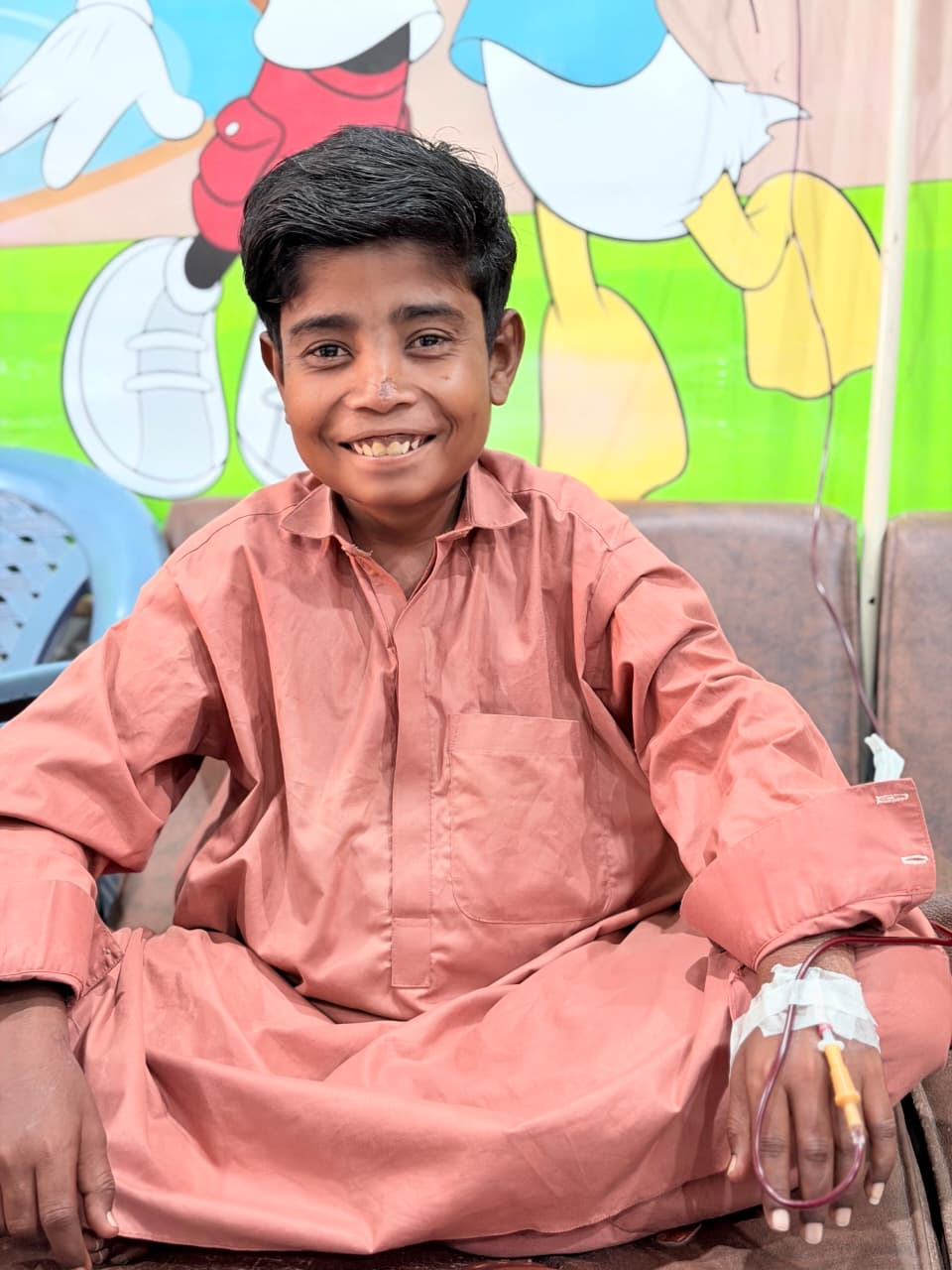
Rustum Phullan, aged 20, with blood group O positive, hails from Kalatuk, Turbat. He is a battling thalassemia warrior from whom one learns the true lesson of optimism. From him, someone truly learns that no matter how challenging life feels, living with the faith of hope can overcome lifetime circumstances.
Born on March 23, 2006, his parents, along with his family, were extremely happy and were celebrating the birth of a male child. Living in a Baloch society, where inflation and illiteracy have left the Baloch people far behind the times, his parents wished that their son would be the spark in darkness, the hope of the dead flames, and would surely light up their names.
But disappointingly, the time for celebration was not yet finished. One day, after almost one and a half months of his birth, they got the news that their child was extremely ill — in such a bad condition that he couldn't even open his eyes.
In an emergency, he was taken to Civil Hospital Turbat, where he was examined by the doctors. After a prolonged checkup, the doctor told his parents, “His CBC is very poor, and he needs blood at this time.” According to the doctors, he was transfused blood, and after some time, his condition got better to some extent.
So after that day, he constantly needed blood to maintain his condition. Worried about the health of Rustum, his parents took him to Bantva Hospital Karachi, where doctors again examined him with tests and treatment. After so many tests, his parents were told, “Your child has thalassemia major and needs lifetime blood transfusions.”
This was the moment when a storm approached his parents and chained their feet. It was as if the world had ended in their eyes at that moment. It is a worrisome thought: how can an innocent soul survive with such a lifetime trauma? Because receiving blood in every transfusion with extreme expenses can surely mark their lives, and coming out of it may feel like an unfulfilled desire.
However, time passed. He shares, “For every transfusion my parents struggled a lot — sometimes asking the relatives for blood and other times going to streets and hospitals asking people to give blood, yet they didn't receive blood on time. Sometimes, after two to three days, the same procedure continued, and then someone felt pity and gave blood.”
That moment, his parents felt as if they had received all blessings, since seeing their child suffering in front of them is not less than the day of judgement. However, time passed, and his parents, with the same struggle, transfused him blood in every session, and for checkups, he was sometimes taken to Karachi.
Rustum shares, “At every session, when I was transfused blood, the blood was not screened, and CBC was not properly checked in Civil Hospital Turbat. Blood was directly transfused into my body, due to which iron was overloaded, and I became unable to walk far, and I couldn't even travel even if I wished to.”
He, with teary eyes, further shares, “I even wished to study and go to school, but at the very start, I needed blood every 3 to 4 days, due to which I couldn't go and just killed the desire within.”
He shares with a broad smile that no matter how hard life felt for him, he didn't give up, since he knew after every hardship, happiness truly arrives. He further shares that he always had a strong faith in Allah Almighty, which made him even stronger to face the challenges.
Moreover, he shares, “Whenever I saw my parents struggling and suffering for me, I always thought I shouldn't have been born, because of my birth my parents can't even live a happy life, though they deserve it. Sometimes, I thought it's better to die than live this life that had made my parents restless.”
These words just made my heart ache, and my eyes filled with tears. Allah the Almighty is surely very great, but truly, Allah tests those whom He loves the most. Hearing his words made me feel this universe is full of such struggling souls. We just need to be thankful for what we have.
Furthermore, he shares that every checkup in Karachi cost them almost PKR 70,000 to PKR 80,000 per month and nearly 2 lakh per year in complete expenses and financial burden. Therefore, after one year of checkups in Karachi, they couldn't afford it and stopped going, since his parents were financially not that stable, were illiterate, and couldn't manage that much. So they just did the blood transfusions in Turbat and left the other checkups behind.
Likewise, time passed, and then came 2019, when they got a lifetime miracle and an angel in the shape of a human. Rustum shares, “Our medical files were kept in Civil Hospital, so a man took the personal information from there and booked the tickets to Karachi with appointments in hospitals there.”
And suddenly, a call came: “Your tickets are for today's bus, and you are moving to Karachi with one of your family members.” He shares that on that day they didn't even know who this man was, who had just been so merciful to them. He shares, “We moved to Karachi, and our complete checkups were done completely free, and after some days, we were back to Kech.”
When we asked about the man, we were told, “Irshad Arif.” He shares that on that day, Sir Irshad told them, “From today, don't ask anyone for blood. Just come to me, and I will give you blood.”
Rustum shares that from that day until today, he has been receiving blood transfusions from KTCC, and the centre has been bearing all the financial and emotional burdens.
He further shares, “After some time in KTCC, I suffered from extreme illness and diarrhoea, and my condition didn't improve with the treatment in Turbat. Rather, it got worse. So, in an emergency, I was taken to Karachi.”
There, he was admitted to Civil Hospital Karachi. After prolonged treatment, when his condition didn't improve, doctors told him, “He is out of our hands. You should take him to a better platform.”
Heartbreakingly, this moment shattered his parents, seeing their child between life and death. Their financial condition was unstable, too. His parents asked the doctor for a fee concession from another doctor. After this, they moved to Dr Saqib Ansari at Children's Hospital Karachi, where after constant treatment, his health got better, and some change was found.
At this moment, his parents didn't even know how to thank Allah the Almighty, since seeing their child fine after such a challenge was truly unbelievable. So after the recovery, they were back to Kech.
Rustum shares further that before KTCC, his life was very challenging and hard, since sometimes his parents even wondered whether their child could survive further or not. He shares how grateful he is to Sir Irshad Arif. Words are always too few, since his and his staff’s efforts are beyond anyone’s thoughts and are worth appreciating.
He says, “Sir Irshad is like our parents, since maybe parents may not care for us like he is doing.” With a smile and teary eyes, he says, “We are given timely blood with proper blood screening and CBC checkups. I don’t know from where he brings this blood, but we patients just come on the day of transfusions, do the transfusions tension-free, take the medicines if finished — one blood bag costs PKR 5,000 and iron chelation medicines range from PKR 15,000 to PKR 30,000 — and go back.”
He shares that when the whole world said that these thalassemia patients can't survive for long, Sir Irshad with his team always built our potential and hope and made us realise we can survive our complete life with complete care and support.
However, Irshad Arif, being inspired by Rustum, mentions, “Truly Rustum has a unique personality with his extraordinary mindset, sharing authentic ideas in different situations despite being illiterate.” He further, with a motivational tone and eyes full of dignity, says, “He, despite being a thalassemia warrior, has the true potential to inspire others with his mini businesses. He is not only a soldier against a disease, but he is a visionary and accomplished character for his fellow thalassemia patients and the entire world.”
In conclusion, Kech Thalassemia Care Centre (KTCC) in Turbat is a leading nonprofit healthcare facility serving children and families affected by thalassemia across the Kech district and wider Balochistan. Founded in 2019 by social activist Irshad Arif, the centre provides free blood transfusions, diagnostic testing, medicines, and regular medical monitoring.
KTCC currently supports around 500 registered patients and has organized more than 600 blood donation camps, ensuring a steady supply of safe blood for those who require lifelong transfusion therapy. In addition to treatment, the centre actively promotes thalassemia prevention and awareness, including education campaigns and guidance for early screening.
Recognized as the largest thalassemia care facility in Balochistan, KTCC continues to be a vital lifeline for vulnerable families, offering both medical care and community hope across Pakistan. Owing to all this medical care from the centre, as residents of Turbat, we also need to stand with the centre. If we can't support it, then we shouldn't hinder its work. Before marriage, doing the HB electrophoresis test is very necessary in order to save our children and the upcoming generation.
Old Zarat Office, Behind Sayad Hashmi High School, Zarat Colony, Turbat, Balochistan, Pakistan
© 2026 Kech Thalassemia Care Center.
Designed & Developed by Haider Hamza
All Rights Reserved.
Pain and suffering truly are a part of life, but surviving with strength and patience adds beauty to our faith. Since pain is not a lifetime partner, there comes a stage where Allah finds a way for a person to live with it by thanking Him and believing that everything happens for a reason — and that belief may be proven true in reality.
Surely, thalassemia patients and their mothers are the ones whose pain feels never-ending, yet their suffering is not everlasting. From them, one learns how to hide pain behind a smile and find strength in every situation. I wholeheartedly appreciate these mothers whose hearts never complain and whose lips never curse the bad situation; rather, they stand firm and continue facing their reality.
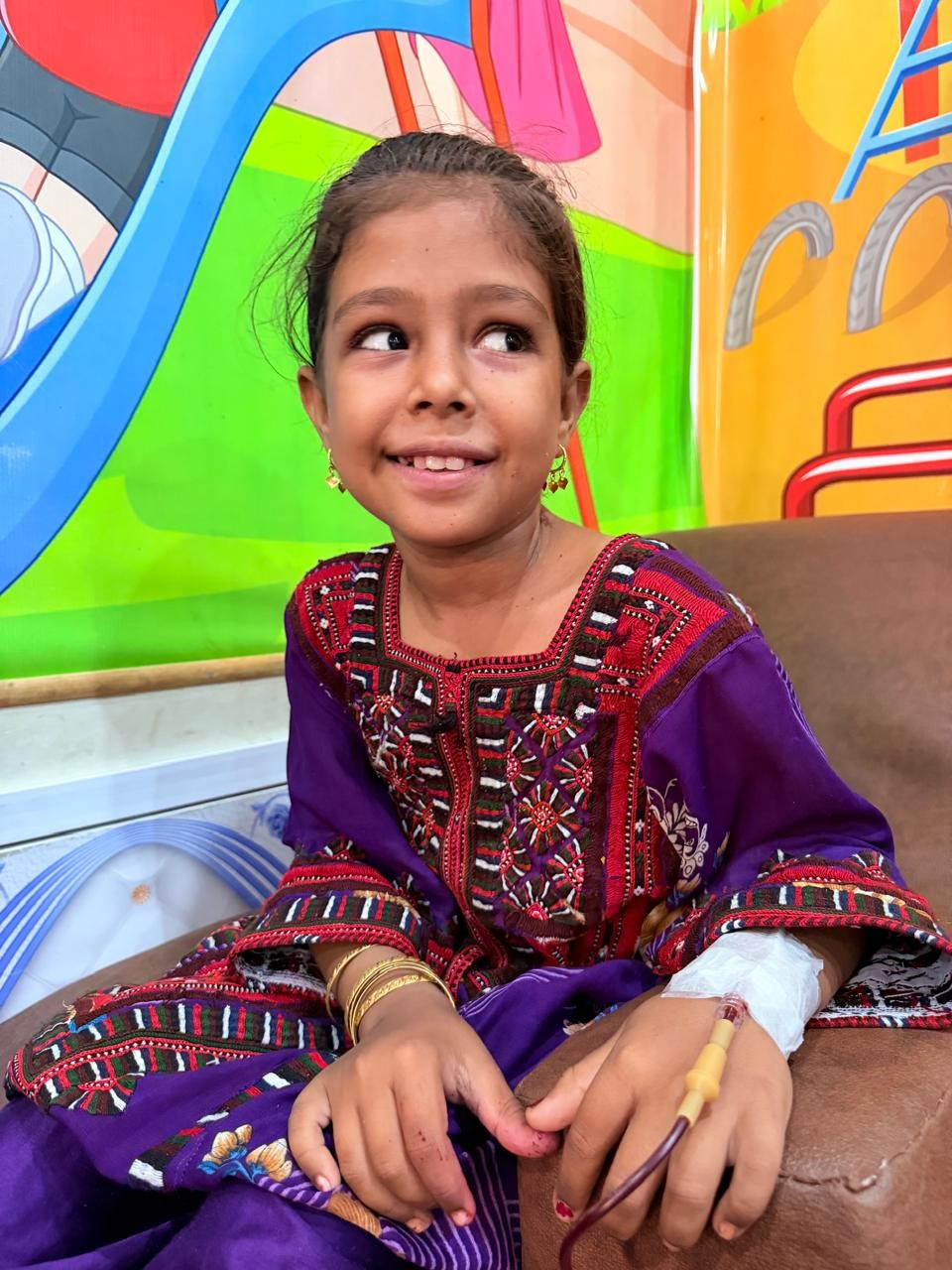
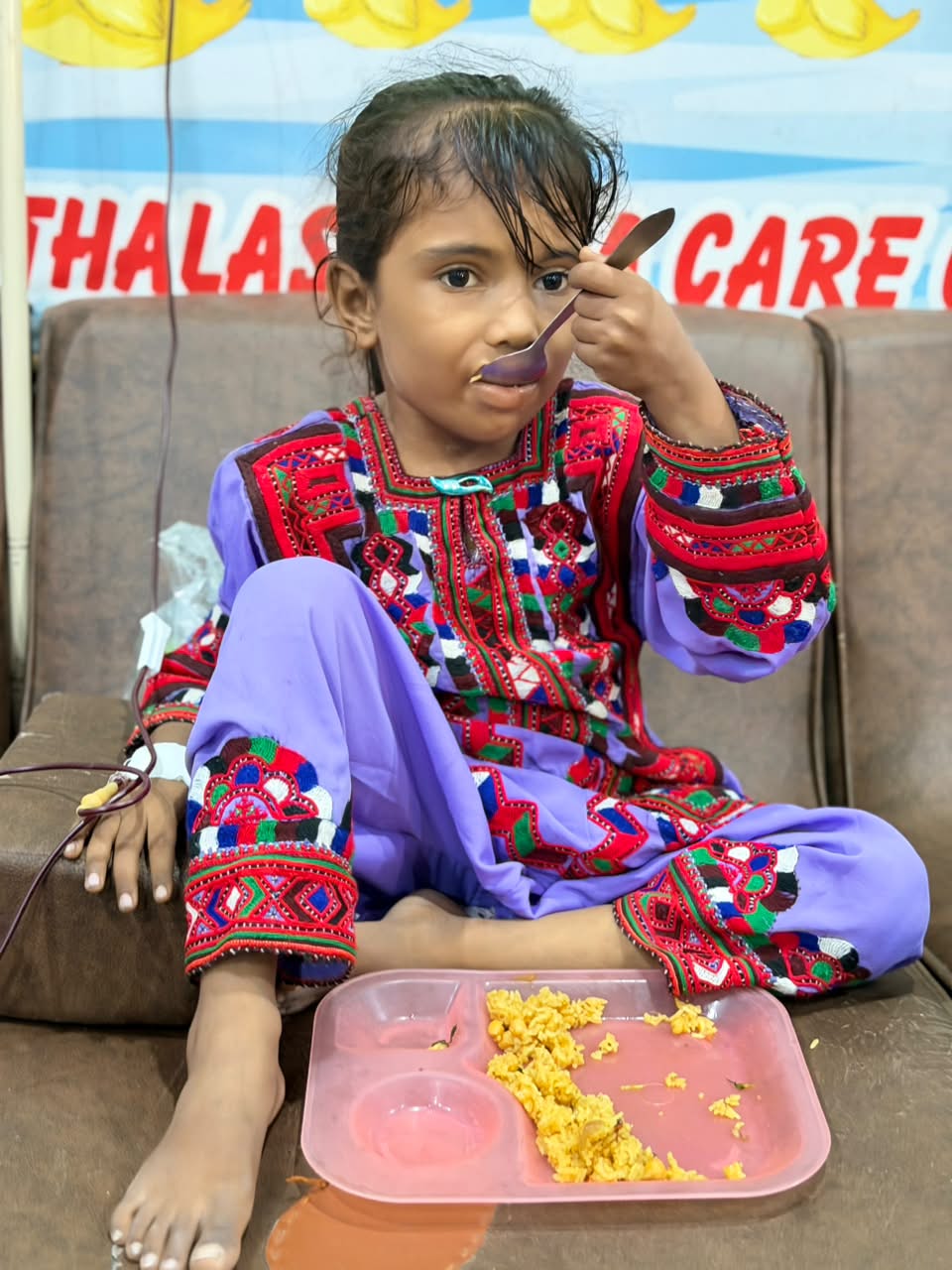
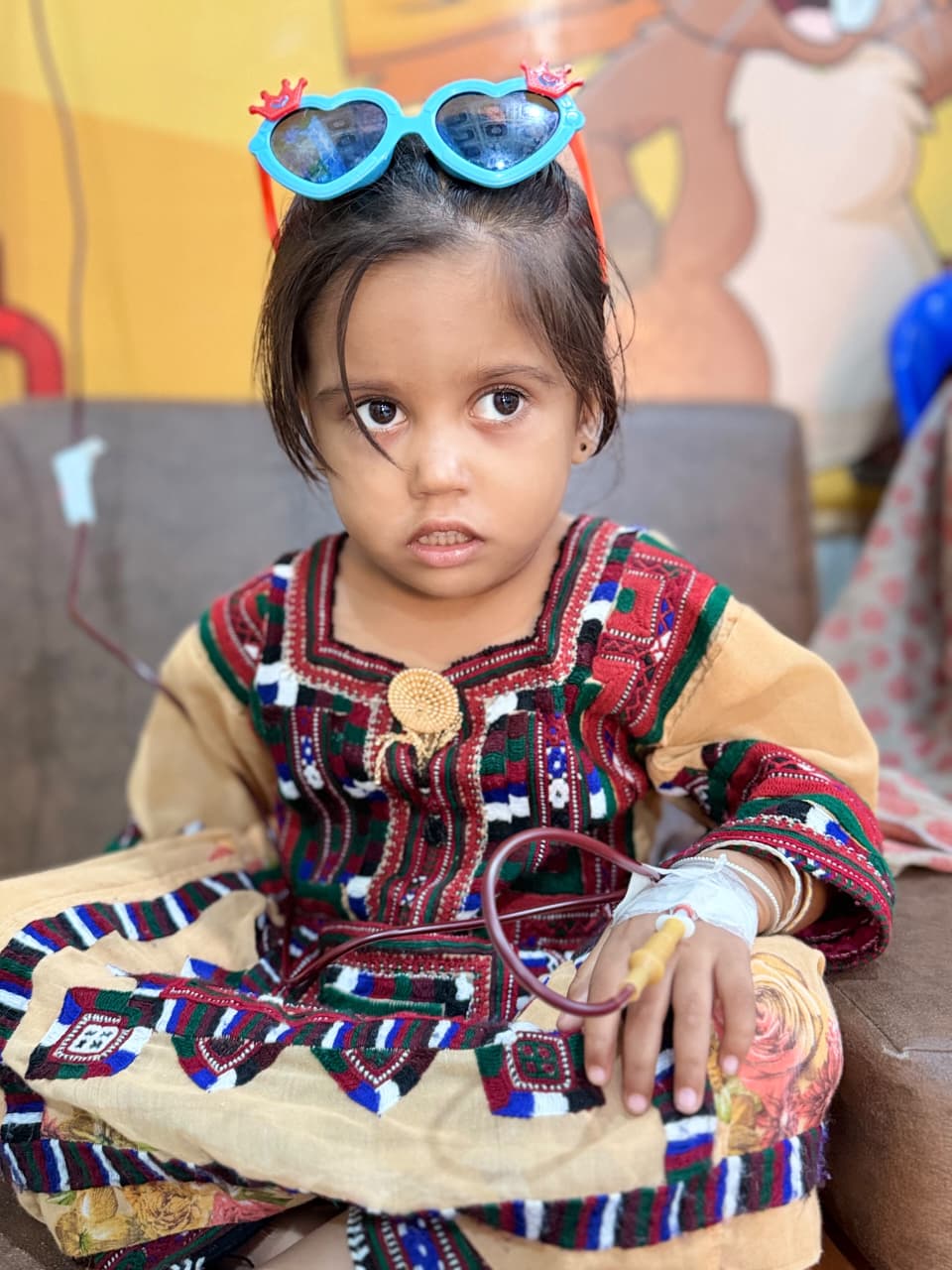
Likewise, Mehtab Baloch, aged 8 with blood group A positive, hails from Sharak. She is a child thalassemia warrior. Her soul speaks her innocence, her silence tells a hidden story beyond it, and her smile teaches the lesson of hope. Born on June 23, 2019, one and a half years after her birth she suffered from diarrhoea, due to which her condition worsened.
When there was no change, one midnight, at almost 2 o’clock, her parents took her to Turbat Civil Hospital for treatment. She was admitted there. After being given medicines and drips, she was brought back to her village. But after some days, her condition still showed no sign of recovery. Then she was taken to Karachi, where doctors told her parents that it was a stomach issue. There also, the doctor prescribed medicines, but those medicines did not bring even a slight change.
So, in the next session, they took her to Children’s Hospital, where she was examined by Dr. Saqib. After many tests, the doctor told her parents that she was diagnosed with thalassemia major and would require lifetime blood transfusions. But at that moment, her parents did not accept the doctor’s words. As her mother shares, “My relatives and family said that if she is transfused blood once, then her body will become dependent on it; therefore we did not transfuse blood to her the first time.” And they returned to Kech.
Time passed, and Mehtab’s condition did not improve; rather, it became worse. Her mother shares that she was divorced by her husband, since he told her that he could not bear the expense of such a lifetime disease, so she should treat her daughter herself. This was the moment a mother’s strength rose for her child. Despite many challenges and hopelessness, her devotion to her God made her able to face them. She said, “In these seven years, I did not let myself fall, because I thought if I fell, then my family would fall, and my child would not see a happy life.” Therefore, a mother’s efforts cannot just be appreciated; they are a lifetime of hope for a child.
Further, she shares that when her child showed no change, they ignored people’s words and did the first transfusion in Turbat Civil Hospital. From that day, their struggling journey began. They came to Turbat in rented cars three days before each transfusion and asked relatives and acquaintances to donate blood. Most of the time, they did not get blood and went back empty-handed. And most of the time, when they did get blood, no one in the hospital performed the transfusion well, or they refused by saying, “After some years, they will die, so why do you people struggle for these children?”
Her mother shares that this was the most painful sentence she was ever told in her whole lifetime — because how can a mother see her child dying in front of her? She elaborates, “Neither can we guarantee our lives nor theirs, so how can they not stay for a lifetime? Small support and a smile can add meaning to our children’s lives.” She further says, “If one cannot do something, then he also does not have the right to say such words to these children.”
Like every other child, Mehtab also wanted to join school, but her disease did not allow her to be admitted to a school. Despite that, her mother admitted her to school, but that could not last long, because each blood transfusion would take her energy away. “I cannot bear the hot weather like the other normal children,” says Mehtab, looking down when I asked her about her school. “My feet and body pain, and I become unable to even walk. Neither can I pay attention nor can I bear the weight.” She remained silent for a couple of minutes and then looked deep into my eyes and added, “My heart wishes to play and study, but I cannot, because the disease brought in me an exhaustion which I cannot fight very hard.” Mehtab’s mom sheds tears in silence but deals very bravely in front of her, to become her only strength.
Heartbrokenly, she shares that no matter how challenging life feels, she keeps up her struggle to treat her child. On transfusion days, it is almost Rs. 30,000 per month for treatment with medicines. She states that she does embroidery to cover the expenses for her child, and her father and elder brothers also support her.
Before KTCC, Mehtab’s family carried the weight of financial and emotional pain at every transfusion. Most of the time, when they went for transfusion, the staff at Civil Hospital would ignore them. They did not check the CBC properly, or they did not screen the blood. They would transfuse it directly into her body. It would take a complete day, yet the blood transfusion would not be done.
When they went for monthly checkups in Karachi, the expenses were almost Rs. 70,000 per month, which they could not afford. So they would complete only a short checkup with doctors, would not transfuse blood, and would come back the same night because they could not afford to stay. There, one bag of blood costs Rs. 5,000 to Rs. 8,000, which they could not afford. Therefore, they would do the transfusions in Turbat, which was extremely challenging. As time passed, the journey became tougher, because most of the time she could not cover the expenses, and the treatment was missed.
Then came 2022 — the day Mehtab was registered at KTCC (Kech Thalassemia Care Centre), established in October 2019 by a renowned personality, Irshad Arif, where their burden began to lift. From that day until today, they are free from all financial and emotional burdens. Financially, in those 3 years when they went to Karachi, it took approximately Rs. 210,000, which was tough to manage. But after being registered at KTCC, the centre has taken almost the whole burden on itself, due to which they now feel completely light.
Mehtab’s mother shares that when KTCC was not established, they had lost all hope. They would ask, “How will our children be? How will their futures be?” But Sir Irshad Arif has shown a light in darkness. He made them believe that their children would be fine and would live a life like other normal children.
She further shares, “I just come on the blood transfusion day, transfuse the blood, and on the exact day my child is given blood on time with full care. I don’t know from where he brings this blood, but we mothers have no tension. We just come, transfuse the blood, and go back.”
Her gratitude has no limit. She shares, “However grateful I am, and however much I pray for Sir Irshad Arif — I guess it is still less. The way he supports us and cares for us is worth appreciating. The medicines whose one box costs almost Rs. 10,000 are given free of cost here.”
She further shares that Sir Irshad, along with his staff, cares neither for cold nor hot weather, neither for nights nor days. They just go out for blood donation camps to save their children’s lives. Most of the time, they do not even have their own cars and take cars on rent, but they still complete blood donations so they can give the children timely blood. These are efforts she cannot even explain in words.
With gratefulness, she shares that Allah has made Irshad Sahib a medium to protect their children. She shares, “Most of the time, I think, if Sir Irshad was not there, I don’t know how my child would live a normal life. It is his and his staff’s hard work that we have hope in our hearts that our children are fine.”
KTCC staff never let them feel that their children are victims of such a disease. They take care of them and never let them face any hardship. Because of this, KTCC is not only a centre for her and her child; rather, it is like a home.
Further, she shares that last year, her daughter was bitten by an insect, due to which her condition worsened, so in an emergency she was taken to Karachi, where she was admitted for almost 14 days. Her mother shares that her hope and her family’s support gave her strength, and she believed her daughter would be fine. Due to constant and timely treatment, Mehtab’s condition improved, and they returned to Kech.
Likewise, a mother’s claim never falls, as she sadly says, “This disease is like a snake’s bite whose wound can never be healed. We are neither alive nor dead, just a breathing body.” So, she appeals to her society: before marriage, just do the HB electrophoresis test so that your upcoming generation is free of this challenging disease.
She ends by saying that Sir Irshad Arif is truly a beacon of hope, motivation and support for all mothers. His efforts are beyond anyone’s thoughts, because the way he cares for these children is a step forward that perhaps no one else could take. Such a big decision needs lifetime optimism and a huge heart to feel the pain. As Allah says in the Quran, “The one who has saved one person’s life, it is as if he has saved the life of all of humanity.”
Old Zarat Office, Behind Sayad Hashmi High School, Zarat Colony, Turbat, Balochistan, Pakistan
© 2026 Kech Thalassemia Care Center.
Designed & Developed by Haider Hamza
All Rights Reserved.
فهد 26 جنوری 2008ءَ تربتءِ مێتگ سنگانی سرءَ پێدا بوتگ. لۆگءِ مردُم گَل ءُ شاداں بوتگاَنت که راشدءِ ائولی بَچّ اِنت، بلے اے شادمانی دێرءَ نجنت. لهتێں ماہءَ رند چُکّ نادراه بیت. پت ءُ ماتئےِ تُربتءِ مزنێں هسپتالءَ پێش دارنت، ڈاکٹرئےِ دئوا درمان کننت، بلے فهدءِ تبیئتءَ ھاسێں پَرکے نبیت. دومی رندا ڈاکٹرءَ برنتئےِ، بازێں ٹِسٹ ءُ دئوا درمانءَ پد هم فهد که وَشّ نبیت، ڈاکٹر مشئورہ دئینت که گونڈلءَ کراچیءَ مزنێں هسپتالےءَ برێت.
کراچیءَ که ٹِسٹ کنگ بنت، ڈاکٹرِش گشیت که چُک تیلیسیمیا مێجرءِ نادراهے، بزاں ھۆن والا گونڈۆیے. مات ءُ پتءَ پورا آزمان سرا کپیت. ڈاکٹر سَلاه دئیَنت که گونڈلءَ ھۆن بجنێت.
مات ءُ پتانی دل انگه نمَنّیت، دئوا درمان کنان بنت، بلے فهدءِ تبیئت هرابتِر بوّان کنت، نوں ھۆنے در گێجنت. مات ءُ پتانی چَمّانی دێما نُنّک اێر اِنت ءُ هۆن لَگّتگ، چۆنێں مهشرے.
تربتءَ که واتر بنت، اے سلسله گۆن بیت، برے ماہءِ سرا، برے هپتگ ءُ دو ھپتگءِ سرا ھۆنءِ لگّگ بندات بیت. بلے اینچو هۆن چه کجا کارئے؟ وھد گْوزان بیت. سیاد ءُ وارس، ھمساهگ ءُ سنگت، دُرس دم بران کننت، یک رۆچی کارے نهاِنت، پورهێں زندگیءِ گپّ اِنت. فهدءِ مات ءُ پت برے یکّےءِ وازمندگ بنت.
2019ءَ راشد ھۆنءِ شۆهازءَ برے درے ٹُکّگا بیت ءُ یکّے گشیتئےِ که: ”ارشادءَ چێا نگُشئے، آ هۆن در گێجیت، همے پئیمێں گْونڈۆانی واستا؟“ اے هئیران بنت، چێا که اے دابێں گپّے نهاِشکتگِش. اِشانی هئیال همے بیت که مردم مارا چه سرا چۆٹێنگءِ واستا اے گپّءَ جنَگا اَنت. اے رۆچءَ راشد بازێں مردمےءِ مِنّهوار بیت، بلے ھۆن نرسیت. فهدءِ ھالت هم سَکّ هراب بیت. راشد هما مردءِ گپءِ مُتابکءَ سێول هسپتالءَ رئوت ءُ ارشادءِ نامءَ گیپت. چمۆدا یکے تیلیسیمیا سنٹرءَ فون کنت. یکّے پرێجءَ پچ کنت ءُ هۆنے دنتِش. فهدءِ پت هئیران بیت، ءُ چه گَلءَ وانگ بیت.
نوں هما اِنت هر وهدا که فهدءَ هۆنءِ زلورت بیت، مات ءُ پت تیلیسیمیا سنٹرءَ هال کننت. ءُ آ هۆن در گێجنت.
تهنا فهد راشد نهاِنت، اے پئیمێں سَداں گْونڈۆ اَنت که همے نادراهیءِ آماچ اَنت. ءُ تیلیسیمیا سنٹر اِنت که اے درُستانی واستا انتزام کنت.
دنیاءِ تها وھد وھدءِ سرا بازێں نادراھییے پێدا بوتگ: پولیو، کُرونا، کئینسر ءُ دگه بازێں نادراھیانی سئوبءَ زندگی گْران بوتگ ءُ اِنسان تکانسُر. سرجمێں دنیاءِ مھلوک بےوس ءُ لاچار بوتگاَنت. بلے کَم کَمّا اے نادراهیانی اِلاج هم در گێجگ بوتگ.
دنیاءِ آبادی انوں ھشت اربءَ سَر اِنت. اے ھشت اربءِ تها یک ءُ دو درسد تیلیسمیاءِ نادراه اِنت. پاکستانءِ تها یک لَکّ مردم تیلیسمیاءِ مَریز اِنت، سالے کِساس پنچ ھزار نادراه ودی بوّگا اِنت. جهانءِ اے دگه جاگهان ءُ پاکستانءِ مزنێں شهراں انتزام گێشتر اَنت. بلے بلۆچستانءَ، زندءِ ھِچ وڑێں آسراتی نێست، ءُ تیلیسمیاءِ نادراه چه پاکستانءِ اے دگه سوبهاں گێشتر اَنت (کِساس هَشت هزار اَنت). اِشانی تها کم ءُ گێش پانزدہ سد مردم مکرانءَ، ءُ چه شَش سدءَ گێش کێچءِ جهمنند اِنت. فهد چه همێشاں یَکّے.
اِشانی زندگی تهنا همے چیزّءِ سرا اِنت که وهد وهدءِ سرا هۆن جنَگ ببنت. انسانءِ بدن انچێں نزامے که اگاں سئے چار ماهءِ سرا مردم هۆن بِکَشّیت، مردمءِ وتی بدنءِ تها هۆن ساپتِر بیت. هۆن دئیۆکءَ هِ رنگێں تاوان نرسیت، انگه شَرتِر بیت. کێچءِ اے تیلیسیمیا سنٹر مئے شُمئے امانَت اِنت. سنٹر وَ پچ اِنت، بلے اِشیءَ هۆن پکار اِنت. باید اِنت ما فهد پئیمێں زێبائێں چُکّاں درد ءُ دۆرانی تها یله مکنێں، آهانی همراه ببێں. اے کمّ ءُ گێش شش سَد مردم اَنت ءُ ماشما لَکّاں مردم اێں.
Old Zarat Office, Behind Sayad Hashmi High School, Zarat Colony, Turbat, Balochistan, Pakistan
© 2026 Kech Thalassemia Care Center.
Designed & Developed by Haider Hamza
All Rights Reserved.
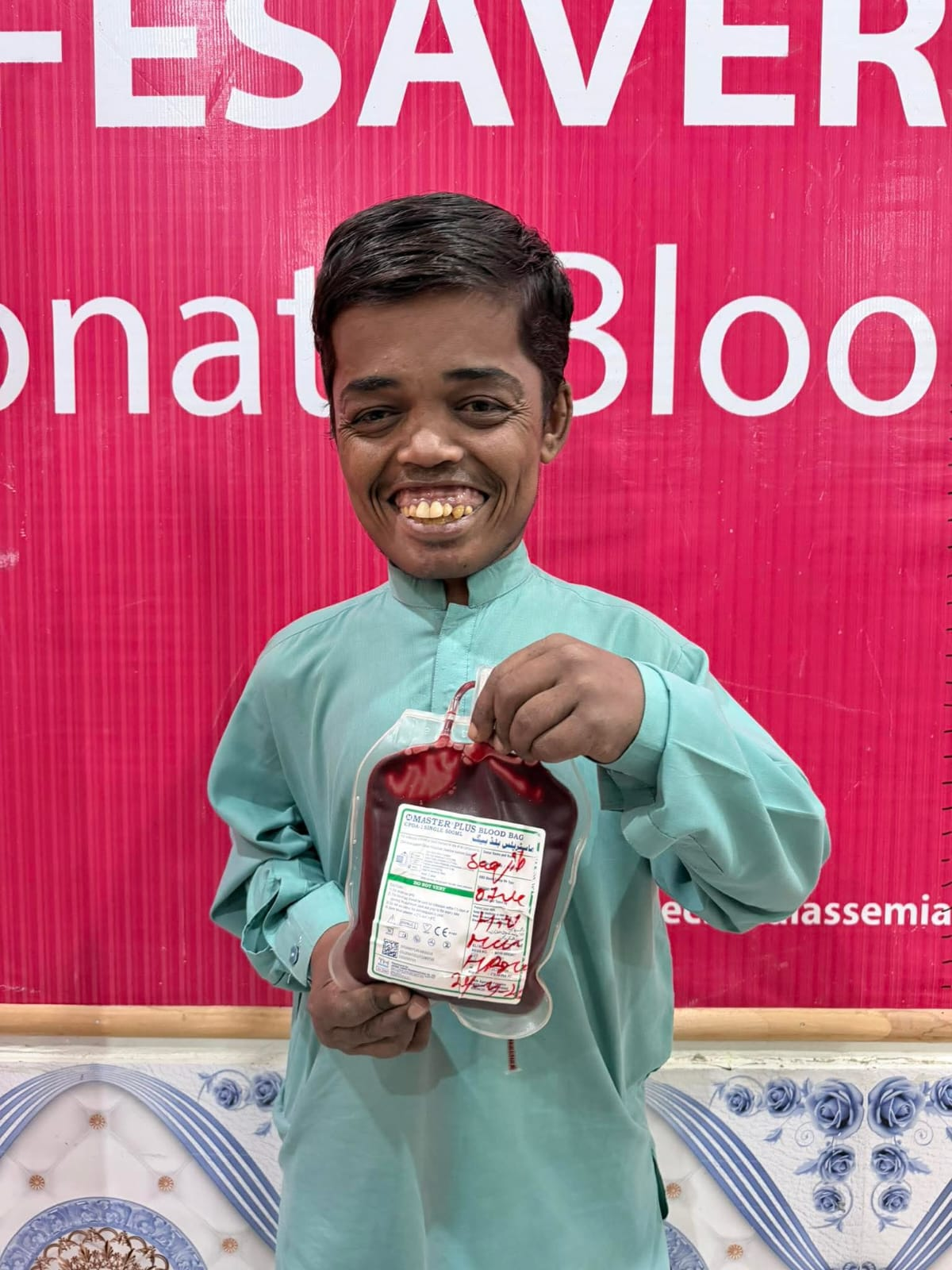
KTCC organized the biggest one-day blood donation camp in Balochistan at Soro Mand, where an incredible 547 blood units were received from generous donors. This historic camp demonstrated the community's commitment to saving thalassemia patients' lives.
The camp brought together volunteers, medical professionals, and community members from across the region, making it a landmark achievement in blood donation history of Balochistan.
Old Zarat Office, Behind Sayad Hashmi High School, Zarat Colony, Turbat, Balochistan, Pakistan
© 2026 Kech Thalassemia Care Center.
Designed & Developed by Haider Hamza
All Rights Reserved.
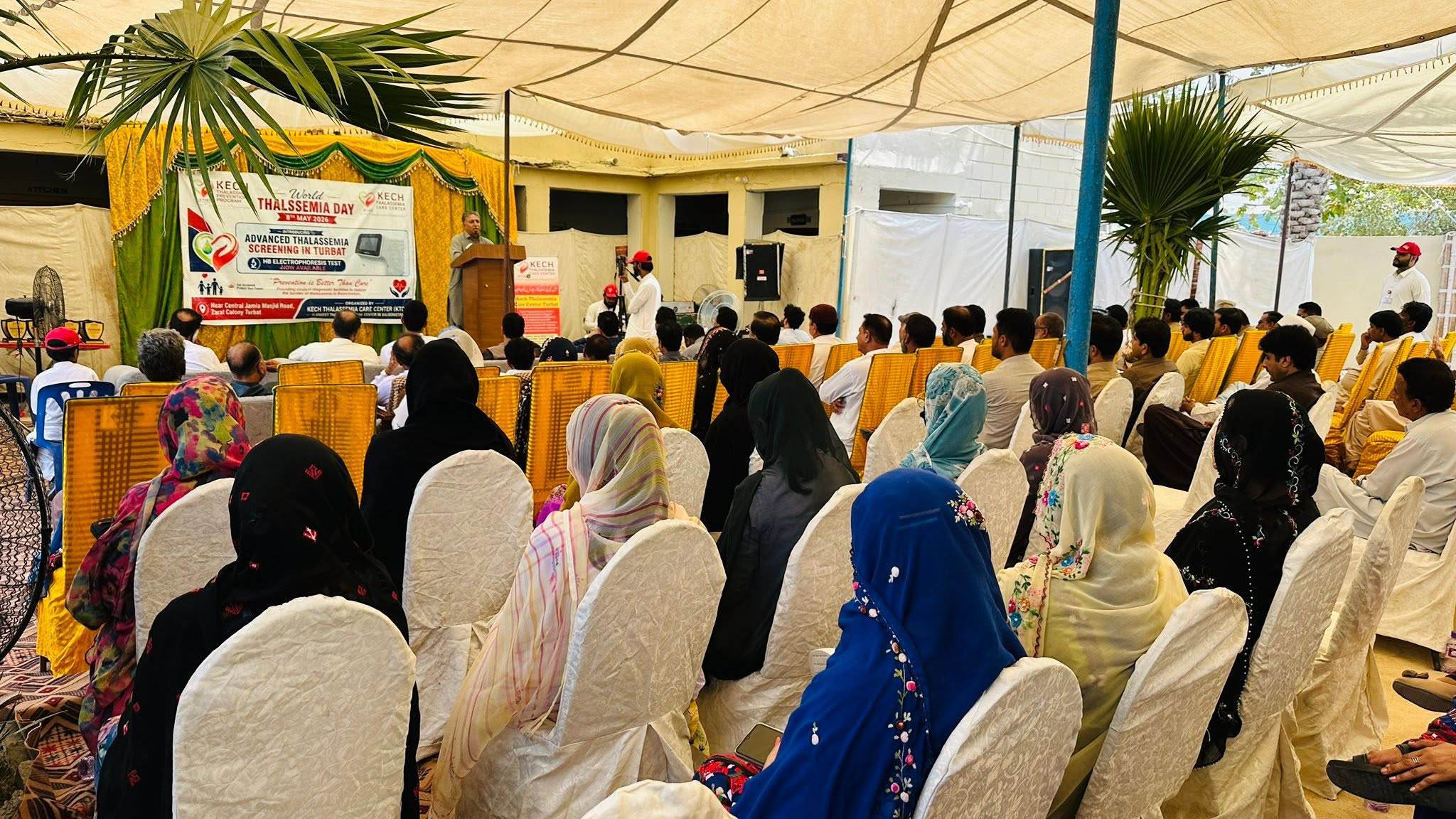
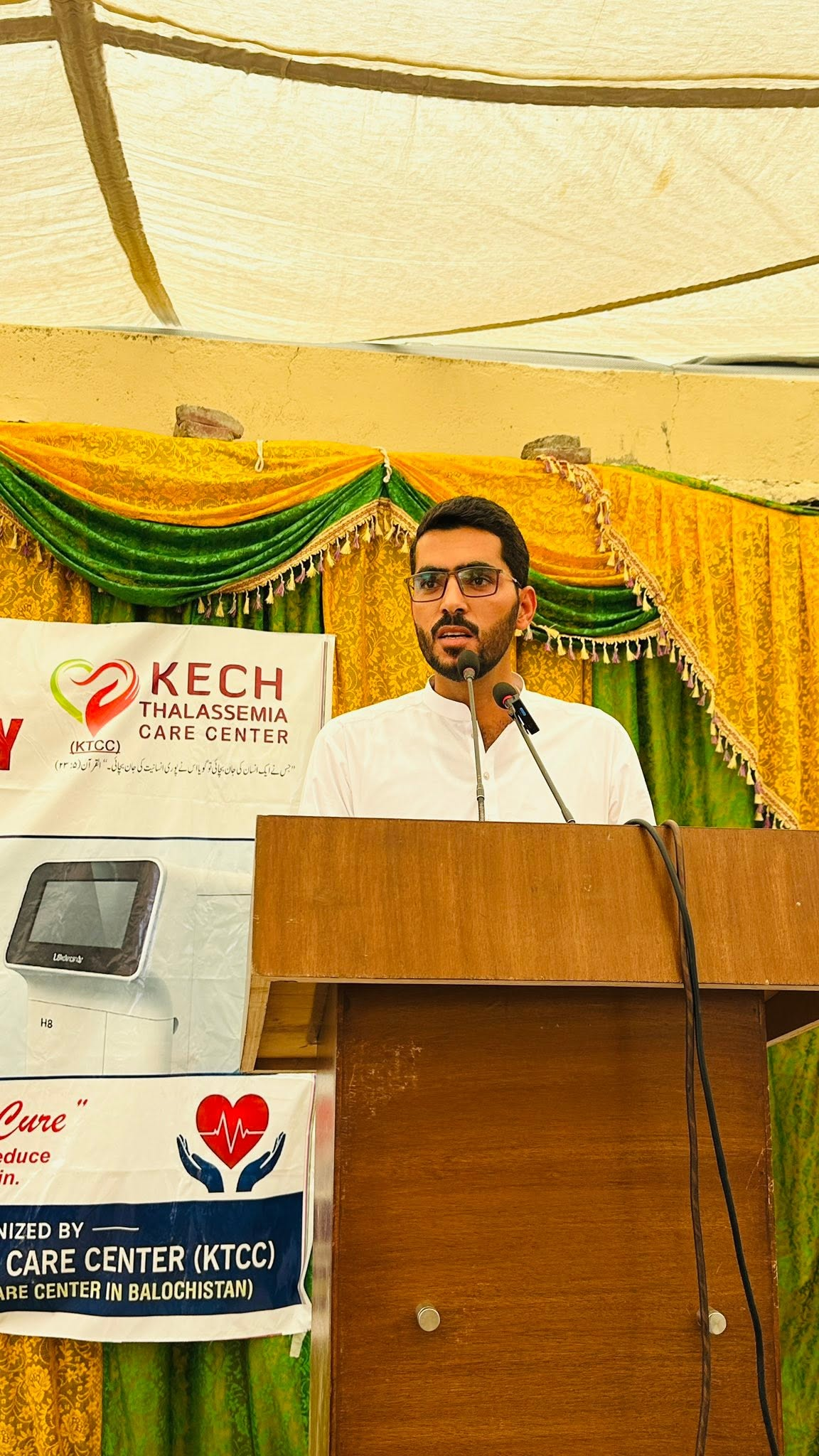
On the occasion of World Thalassemia Day (May 8), a grand and dignified program was organized at Kech Thalassemia Care Center, Turbat. The event was attended by a large number of distinguished personalities from various walks of life, including doctors, members of the business community, social activists, and members of the general public.
The chief guest of the prestigious ceremony was the Deputy Commissioner of Kech, Mr. Yasir Iqbal Dashti, while other honorable guests also graced the occasion with their presence, adding to the significance of the event.
The primary objective of the program was to raise public awareness about thalassemia and promote effective preventive measures against this serious genetic blood disorder.
During their speeches, the speakers highlighted effective ways to prevent thalassemia and emphasized the importance of making thalassemia screening before marriage a common practice. They urged the public to undergo premarital screening to help protect future generations from this inherited disease.
During the event, Kech Thalassemia Care Center also presented a report on its remarkable seven-year journey and achievements. The audience highly appreciated the center's performance and praised its services as a great example of humanity and social responsibility.
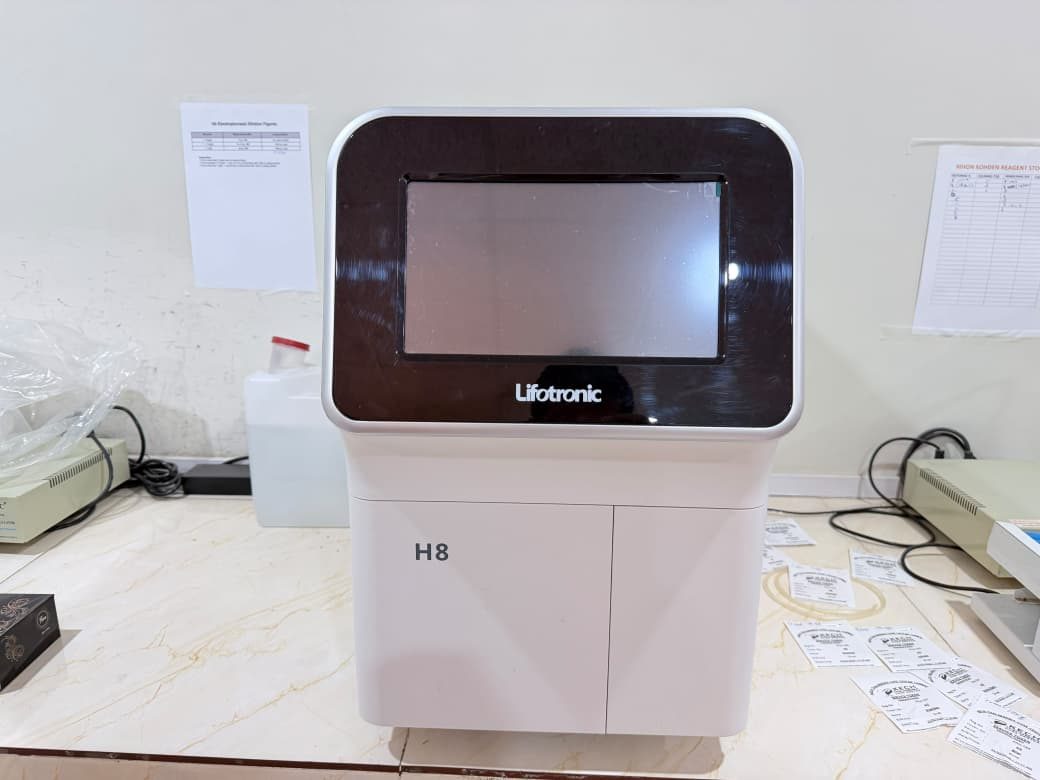
At the conclusion of the program, the newly installed Hb Electrophoresis Machine at Kech Thalassemia Care Center was formally inaugurated by the Deputy Commissioner of Kech, Mr. Yasir Iqbal Dashti.
With the installation of this modern machine, the people of Turbat and the entire Makran Division will now be able to access thalassemia testing services locally at an affordable cost. Previously, people had to travel to Karachi to undergo this test.
This initiative will not only provide a major healthcare facility to the people of Makran but will also serve as an important milestone in the ongoing campaign to raise awareness about thalassemia and prevent its spread.
© 2026 Kech Thalassemia Care Center.
Designed & Developed by Haider Hamza
All Rights Reserved.
The team of Kech Thalassemia Care Centre (KTCC) was honoured to take part in the Hands-on Workshop on Blood Transfusion: Protocols & Hazards, organised by the Department of Pediatrics, Teaching Hospital Turbat, under the banner of Mekran Medical College.
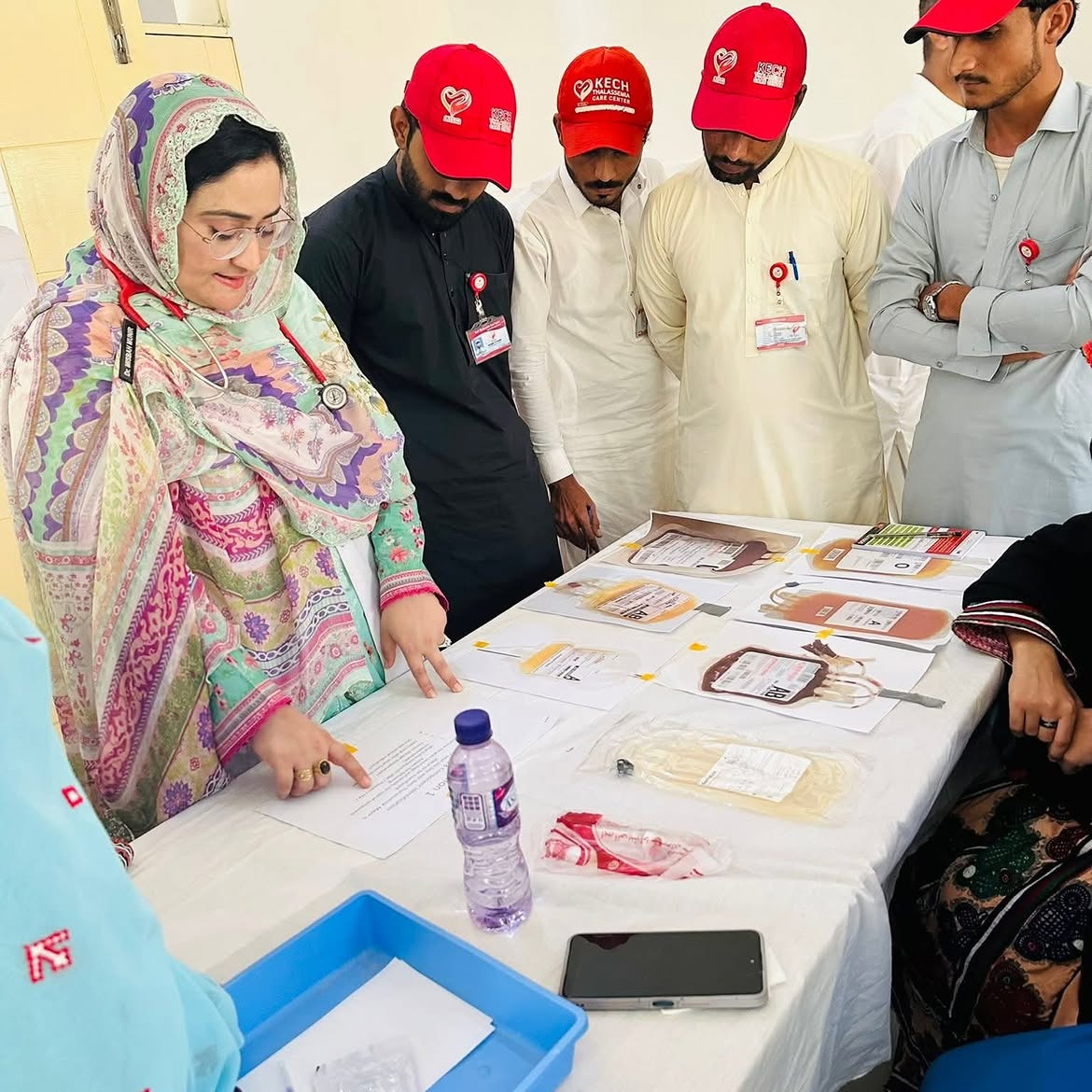
We extend our deepest gratitude to the respected facilitators and moderator for their dedicated efforts and valuable contributions:
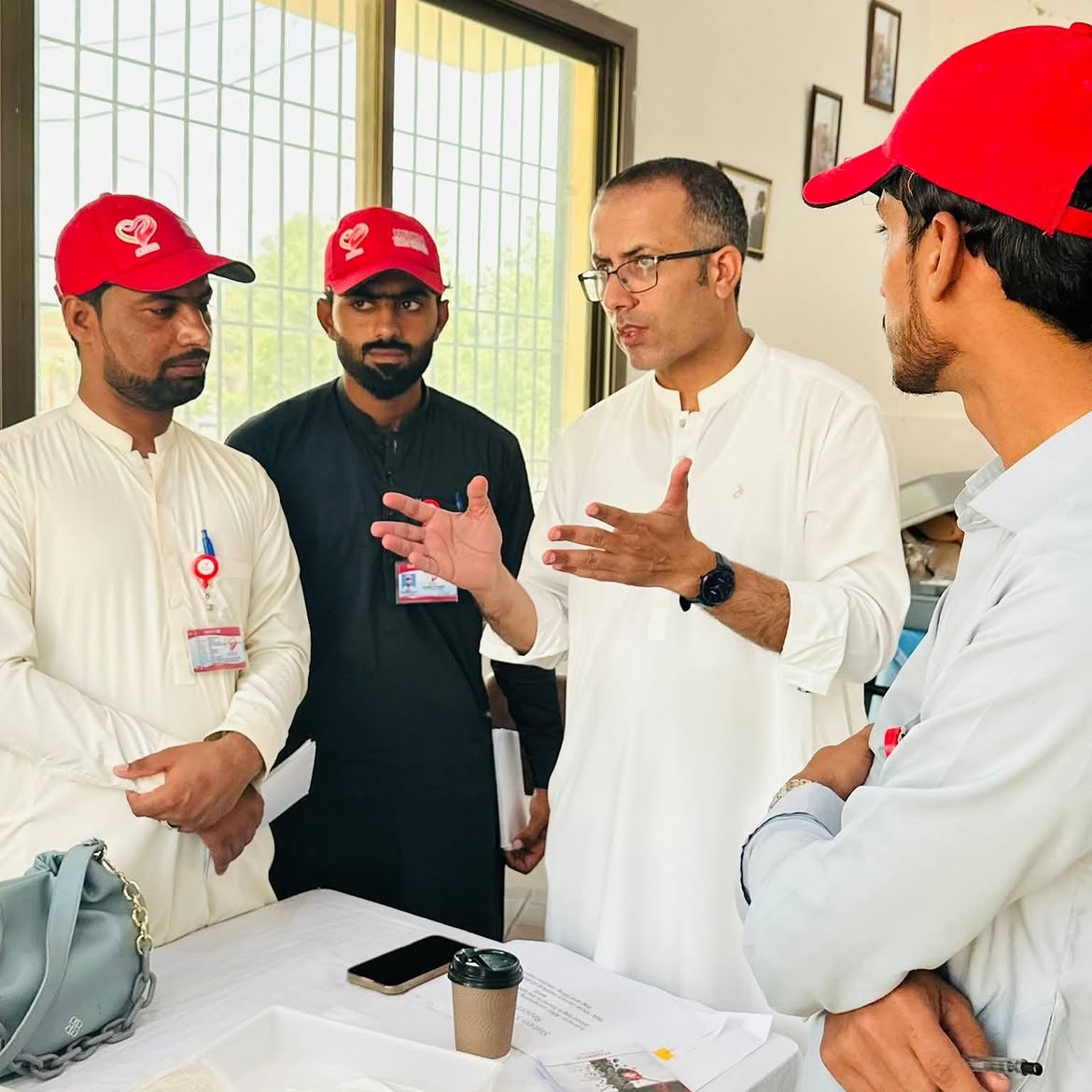
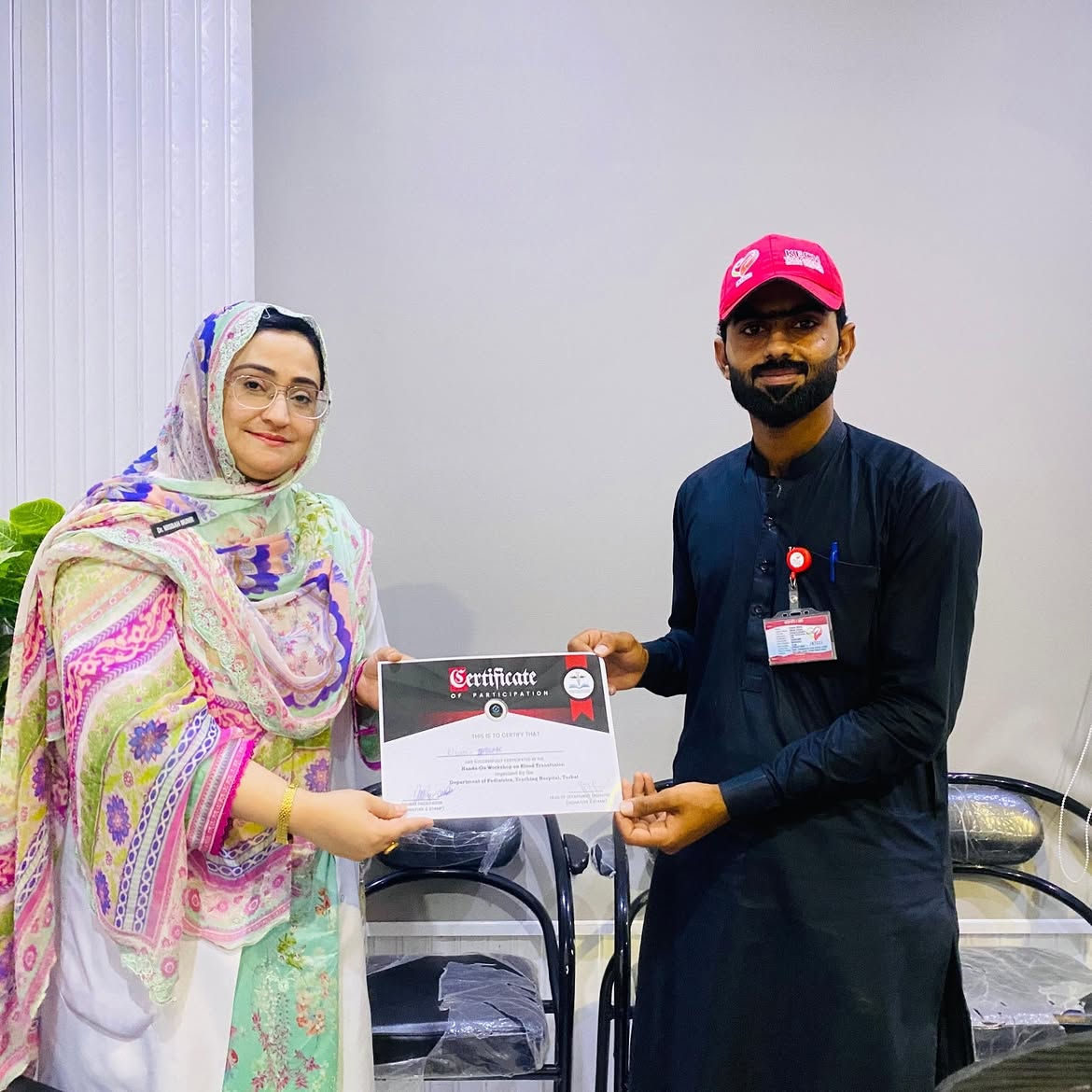
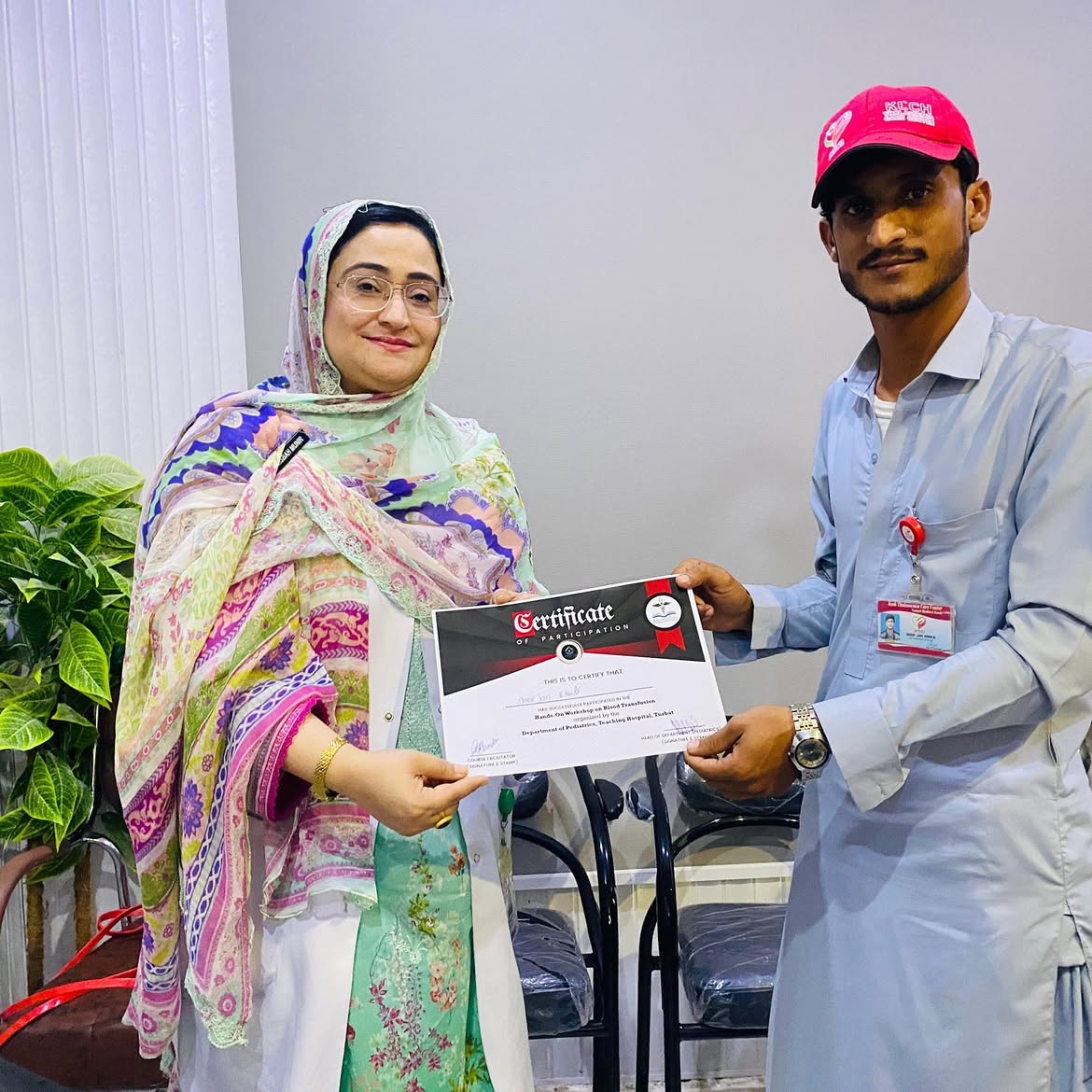
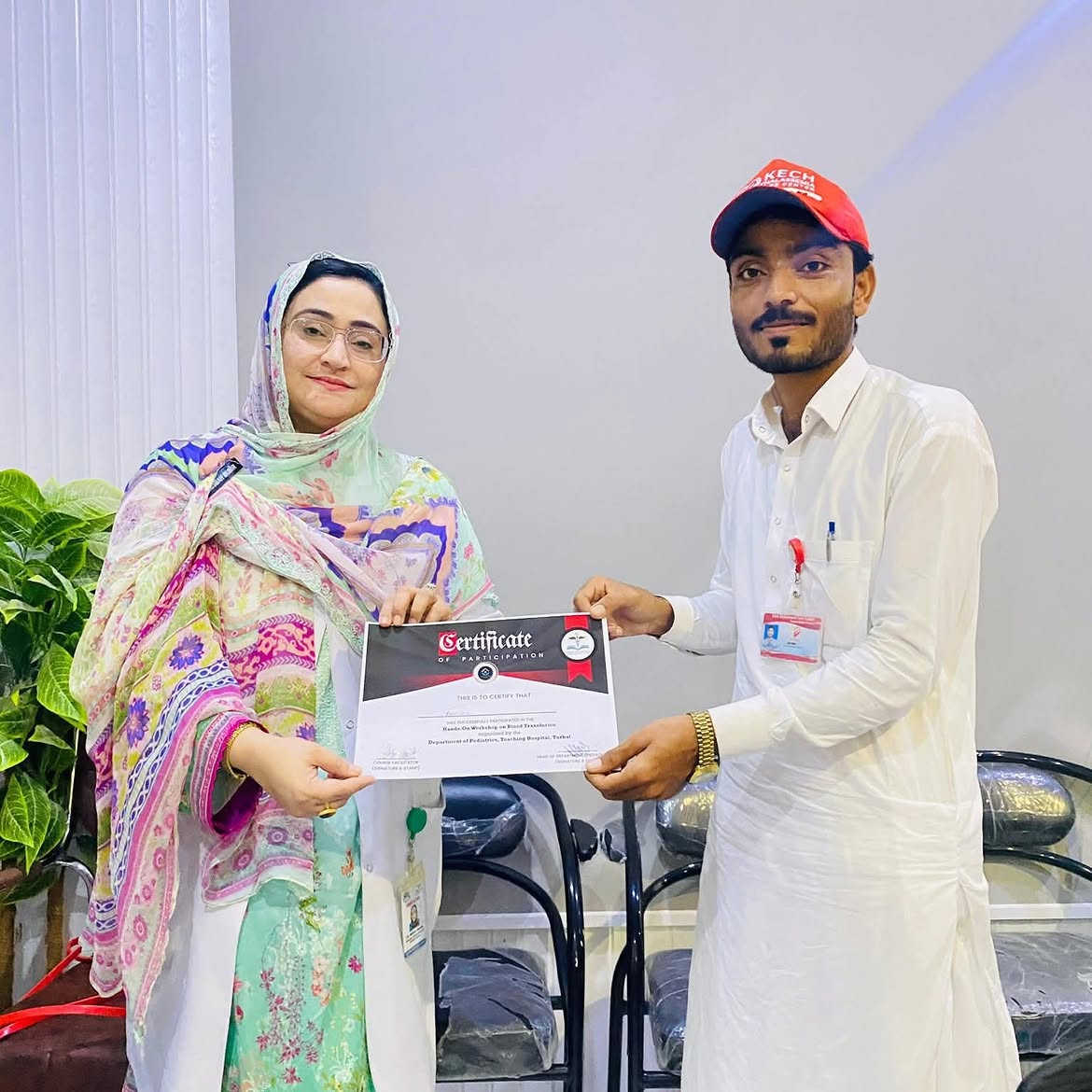
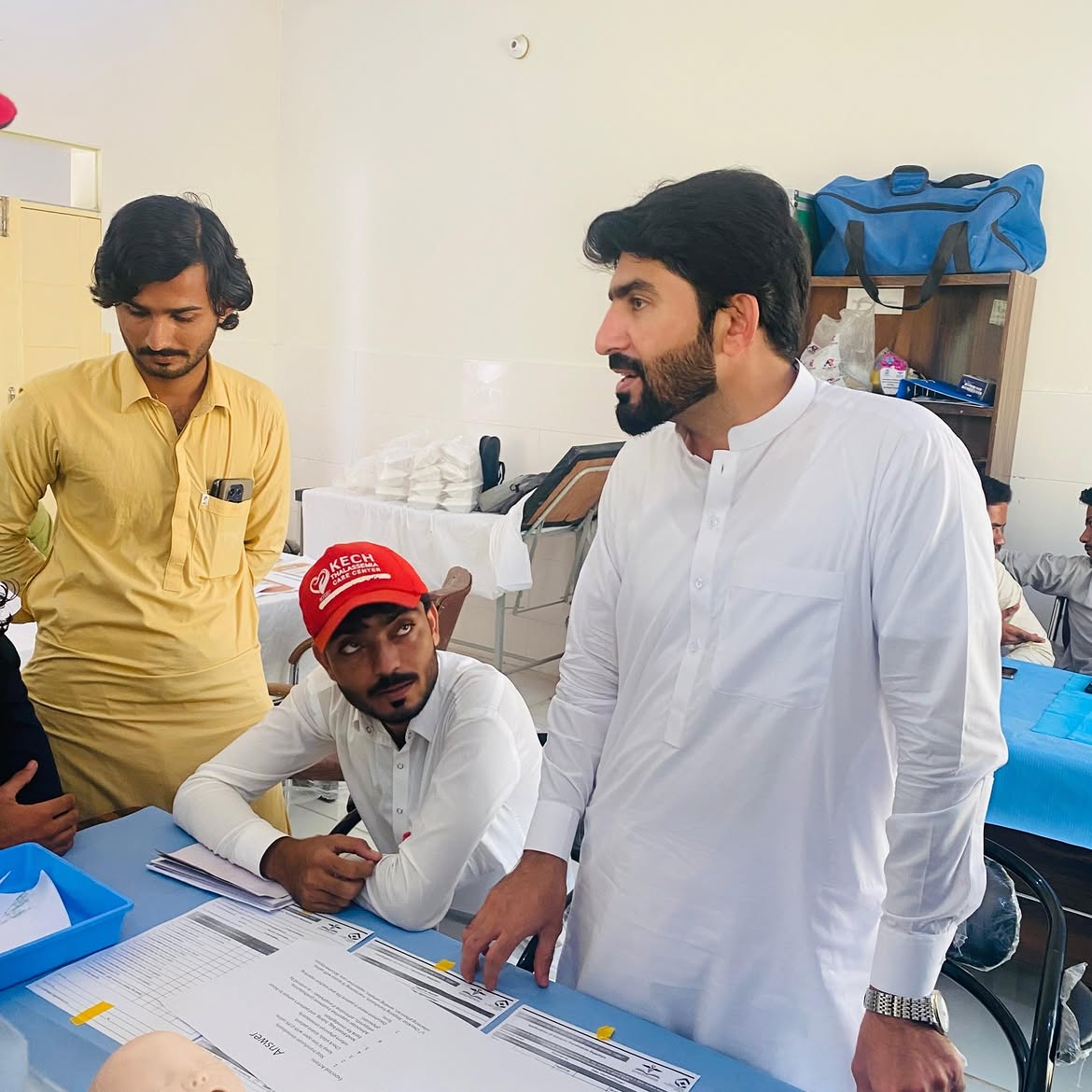
A special thanks to these distinguished doctors for conducting such an informative and practical workshop, which will go a long way in improving safe transfusion practices in our region.
We are grateful to Mekran Medical College and Teaching Hospital Turbat for including KTCC in this important academic initiative.
Together, we move towards safer transfusions and better patient care.
© 2026 Kech Thalassemia Care Center.
Designed & Developed by Haider Hamza
All Rights Reserved.
Kech Thalassemia Care Center (KTCC) organised a historic one-day blood donation camp in Buleda Zamuran, where the people of Buleda Zamuran showed an extraordinary spirit of humanity by donating 521 units of blood for children living with thalassemia.
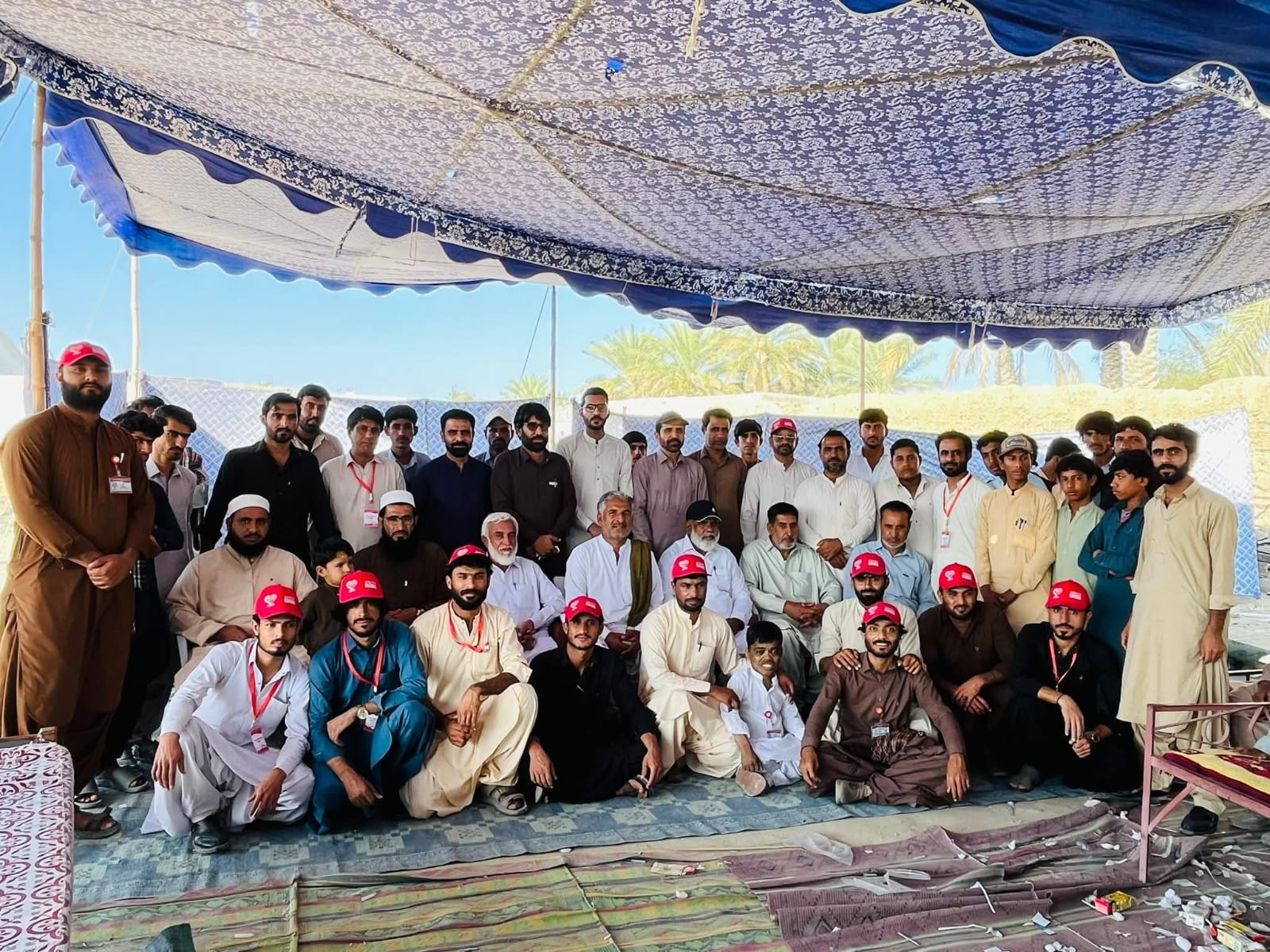
The camp was held in two locations:
The first camp was organised under the leadership of renowned social and business personality Haji Barkat Buleedi. The people of Mainaz and surrounding areas took part enthusiastically and donated an outstanding 451 units of blood.
The second camp was organised in Alandur under the leadership of Master Abdul Salam and Abdul Wahab, where local residents and people from surrounding areas came forward and donated 70 units of blood.
Kech Thalassemia Care Center extends its heartfelt gratitude to all the generous and compassionate people of Buleda Zamuran who helped make this humanitarian campaign a tremendous success.
We especially express our deepest appreciation to Haji Barkat Buleedi, who, one week before the camp, set aside his personal commitments and devoted himself completely to this mission of serving humanity. His tireless efforts, dedication and sincere commitment played a vital role in the camp's success.
During this campaign, Chairman KTCC Irshad Arif and his team stood shoulder to shoulder with Haji Barkat Buleedi and spent three days visiting different areas of Buleda, raising awareness about thalassemia and encouraging people to take part in the blood donation camp.
The overwhelming response from the people of Buleda Zamuran is a powerful example of what can be achieved when a community comes together for a noble cause.
May Allah Almighty reward every blood donor with the best of rewards and make their precious act a source of ongoing charity (Sadaqah Jariyah). Ameen.
521 blood units. One community. Hundreds of lives supported.
Kech Thalassemia Care Center — Together for Thalassemia Warriors.
© 2026 Kech Thalassemia Care Center.
Designed & Developed by Haider Hamza
All Rights Reserved.
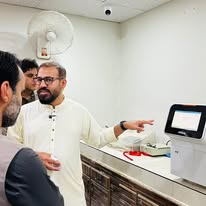
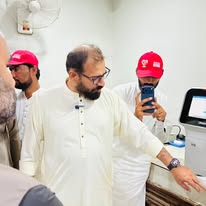
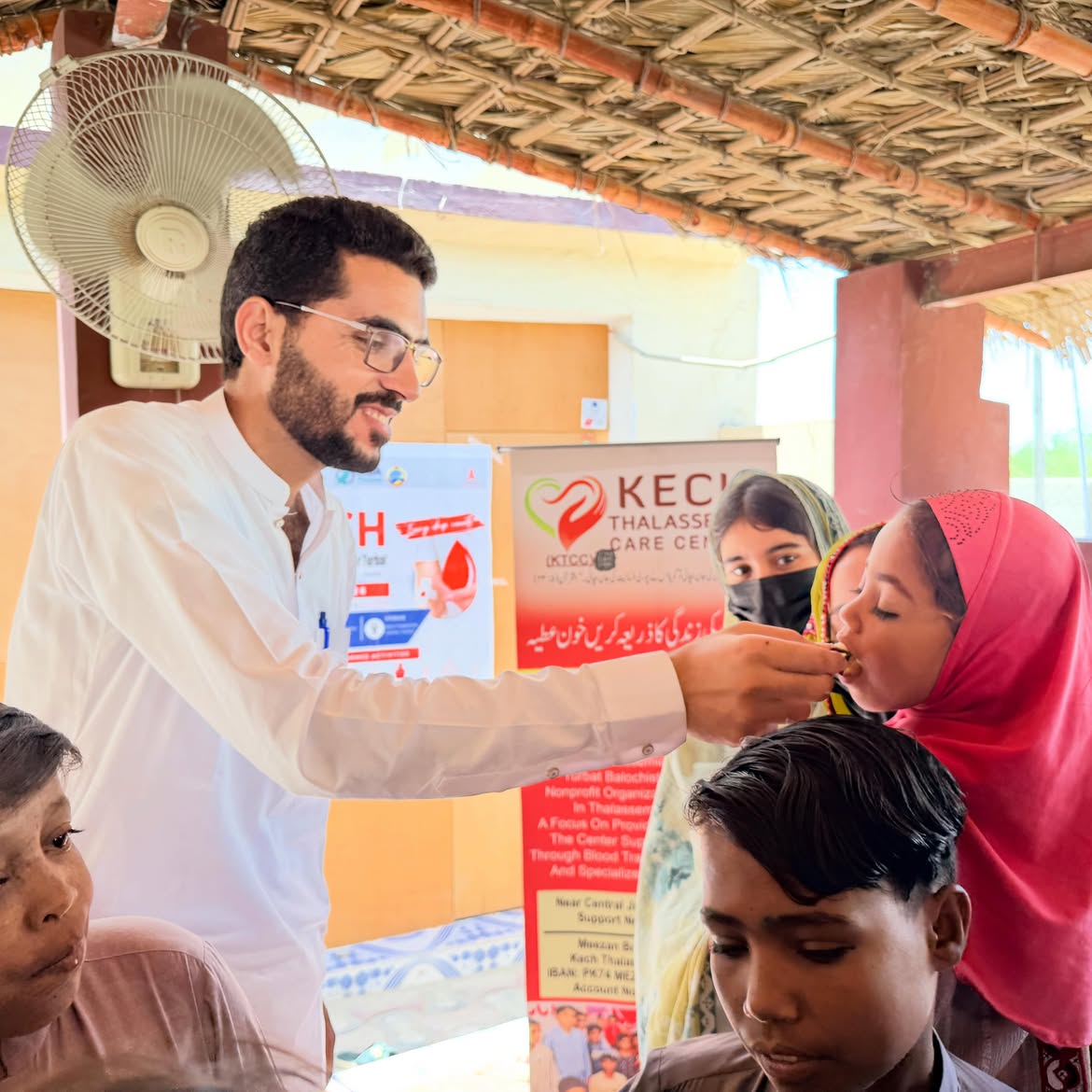
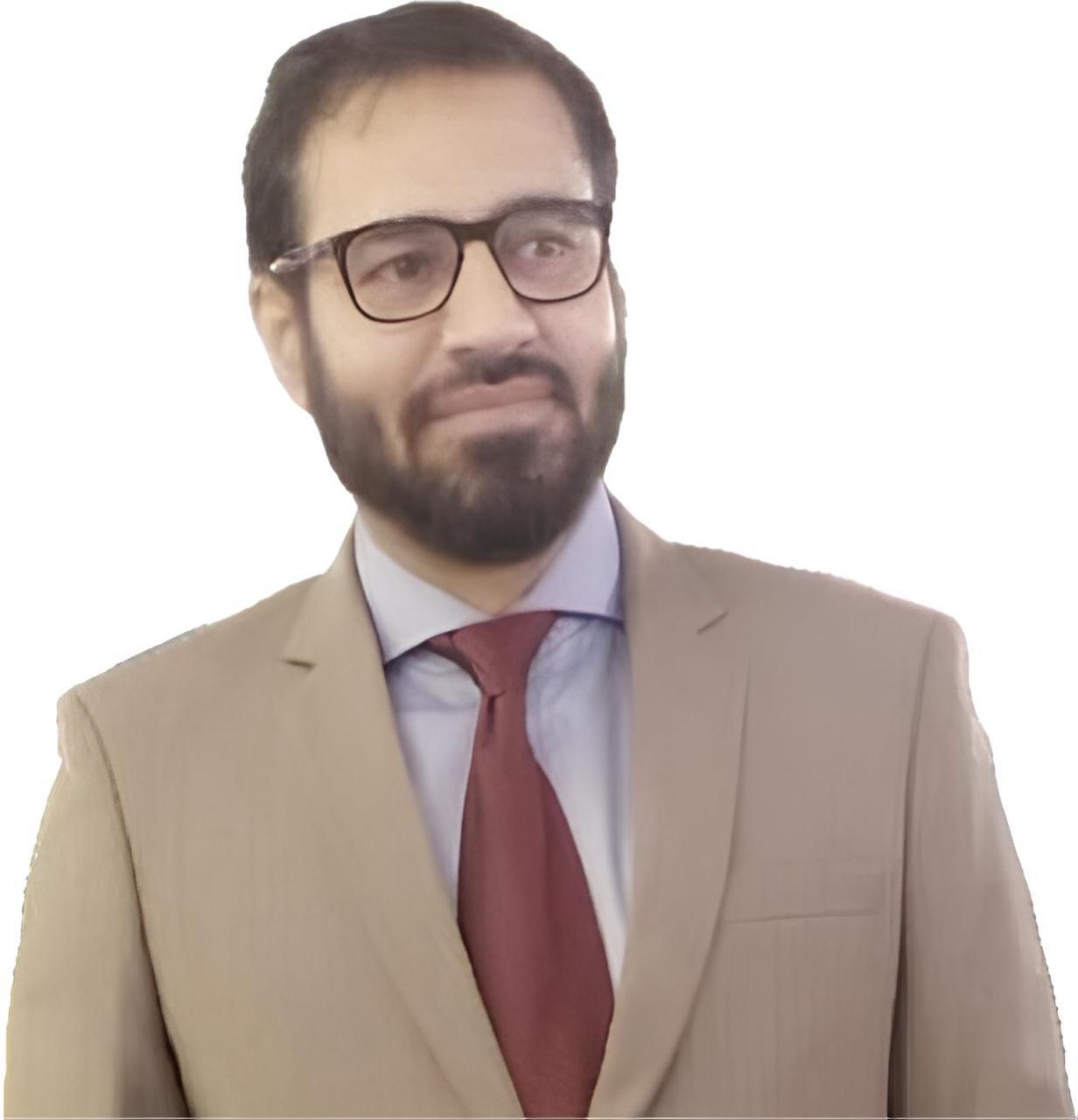
In June 2025, renowned National Party leader Dr. Abdul Malik Baloch paid a special visit to Kech Thalassemia Care Center (KTCC), Turbat.
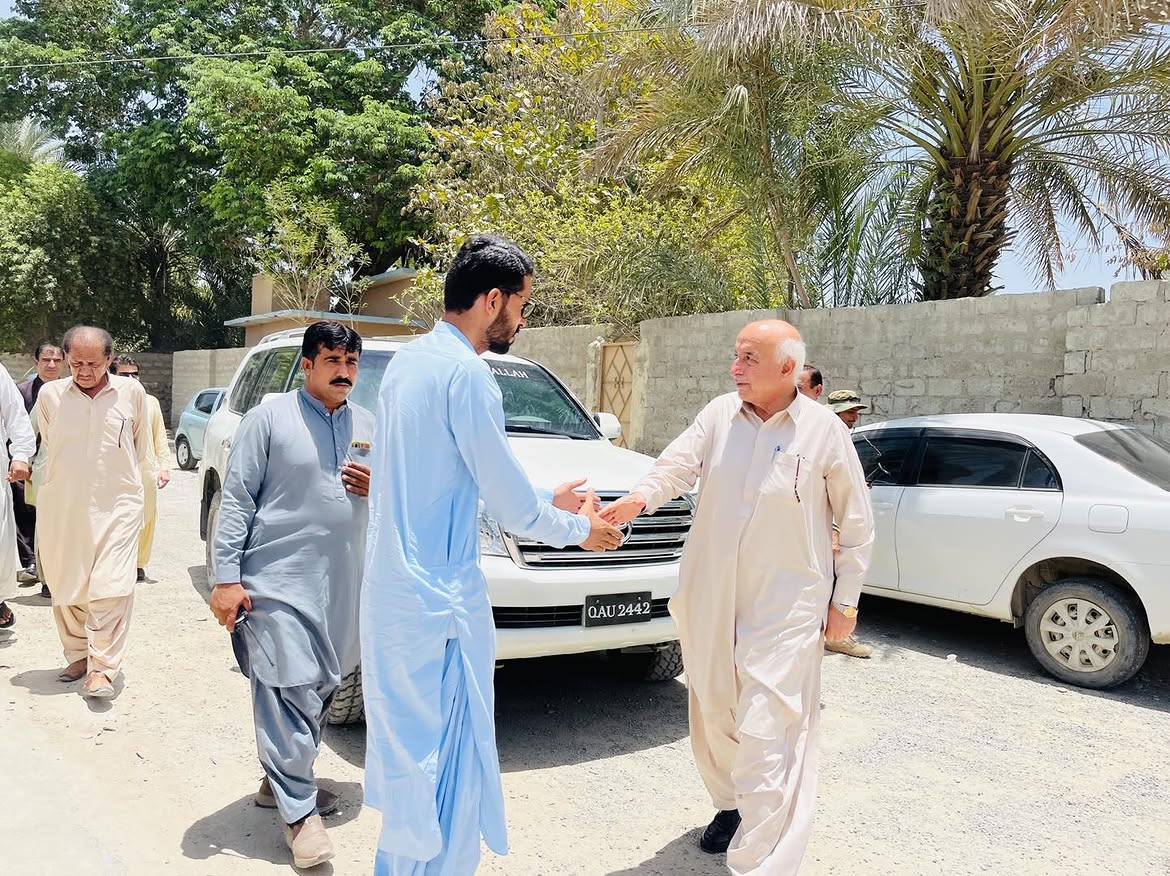
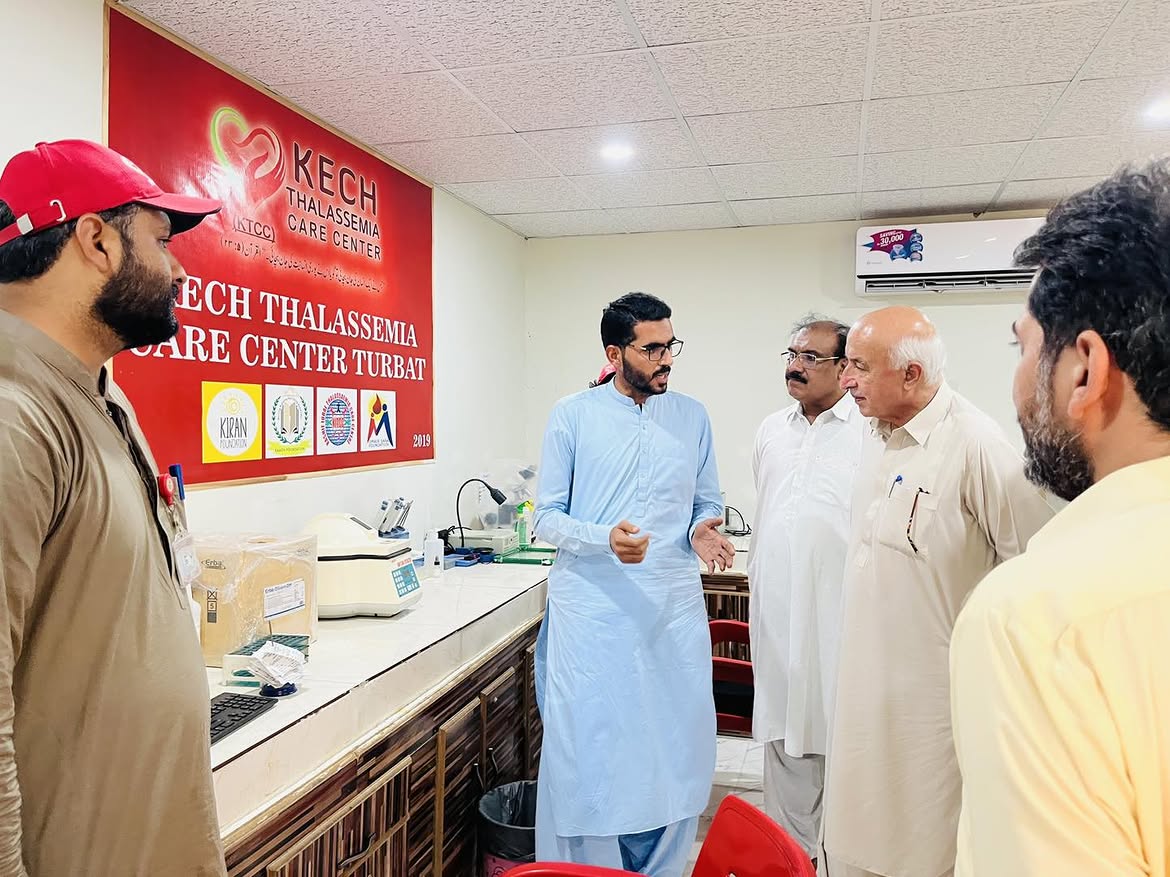
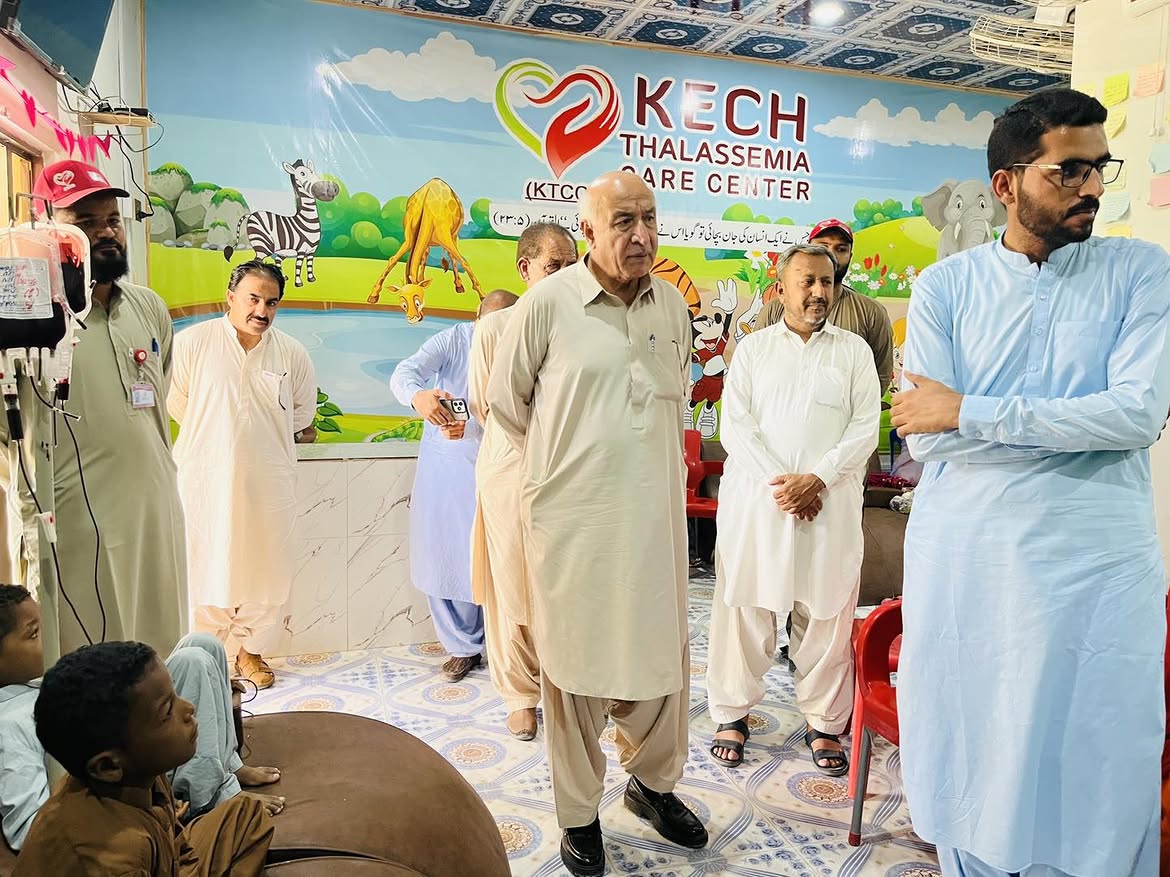
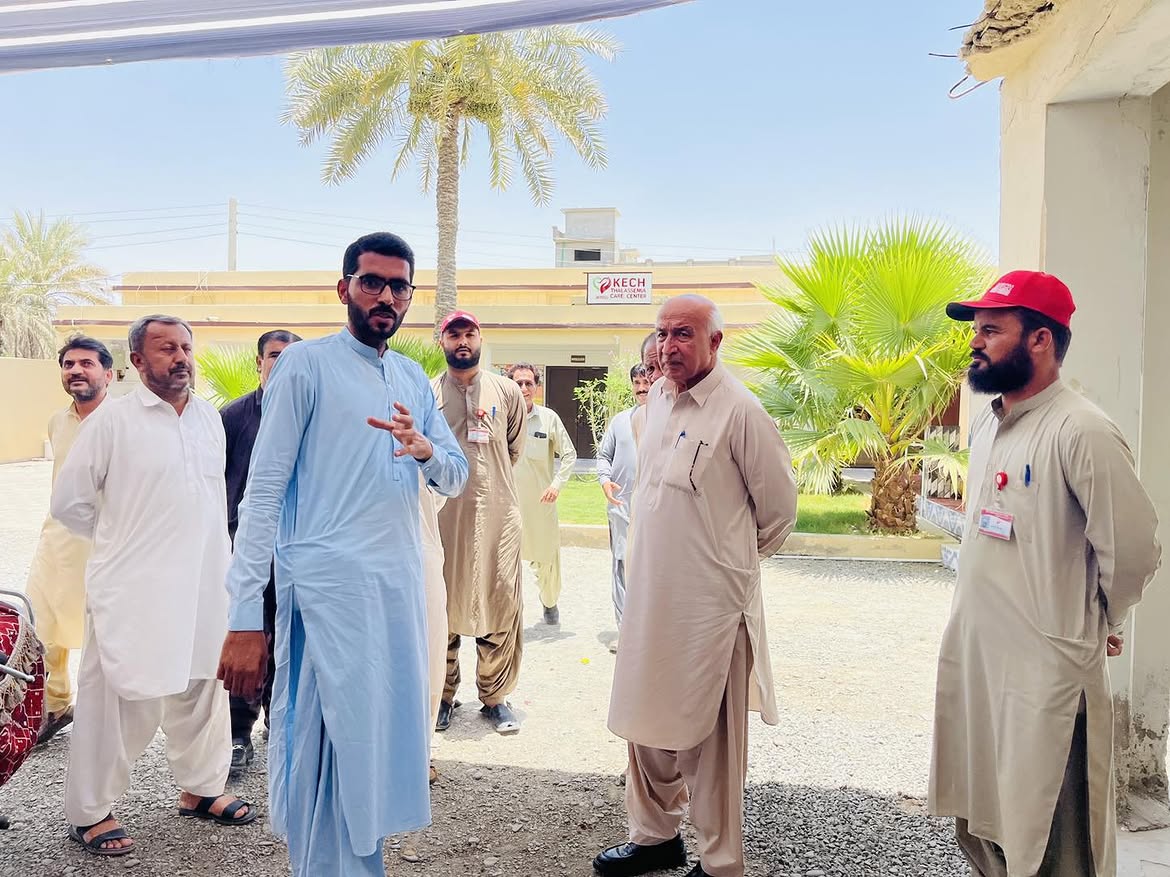
During the visit, Founder and Chairman KTCC, Irshad Arif, gave Dr. Abdul Malik Baloch a detailed briefing on the centre's services, performance, challenges and future goals. Dr. Abdul Malik also visited various departments of the centre and appreciated the work being carried out for children living with thalassemia.
Speaking on the occasion, Dr. Abdul Malik Baloch said:
“Establishing an organised institution at this level to combat a life-threatening disease like thalassemia is a matter of great pride. This institution is not merely providing blood; it is an exceptional example of serving humanity.”
Since its establishment in 2019, KTCC has continued to provide essential services to thalassemia patients. At the time of the visit, the centre was providing completely free treatment, blood transfusions and other essential facilities to more than 450 registered thalassemia patients.
Dr. Abdul Malik Baloch expressed concern that such an important institution has not yet received the level of attention it deserves from the government. He assured that the National Party would stand shoulder to shoulder with Kech Thalassemia Care Center and support efforts to address this gap.
On behalf of the entire KTCC team, we extend our heartfelt gratitude to Dr. Abdul Malik Baloch for visiting the centre, appreciating our mission and assuring his support.
His visit and words of encouragement are a great source of motivation for the entire KTCC team, and inspire us to keep serving thalassemia patients with even greater dedication, compassion and sincerity.
Former Chief Minister of Balochistan and current MPA Turbat, Dr. Abdul Malik Baloch, raised the serious issue of thalassemia on the floor of the Balochistan Assembly and called for effective measures to prevent and control this devastating disease.
We are deeply grateful to Dr. Abdul Malik Baloch for highlighting this critical issue at the provincial level. We further appeal to the Government of Balochistan to take concrete preventive measures at the district and tehsil levels to help stop the emergence of new thalassemia cases.
At Kech Thalassemia Care Center, premarital thalassemia screening is available at 50% of the market rate. Come forward, get yourself tested, and take a step towards protecting yourself and your family from thalassemia.
Test before marriage — together, let's build a thalassemia-free Balochistan.
© 2026 Kech Thalassemia Care Center.
Designed & Developed by Haider Hamza
All Rights Reserved.
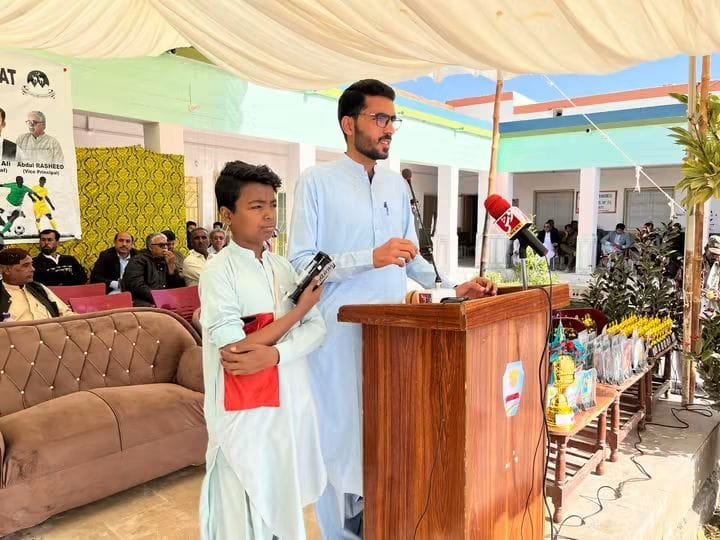
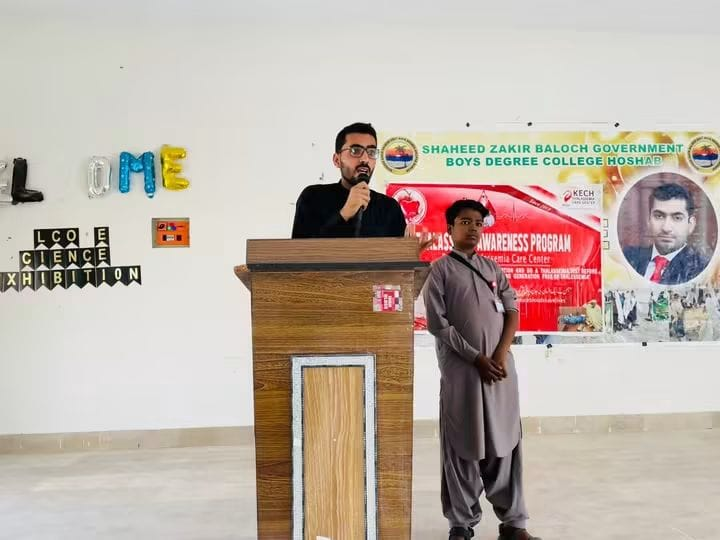
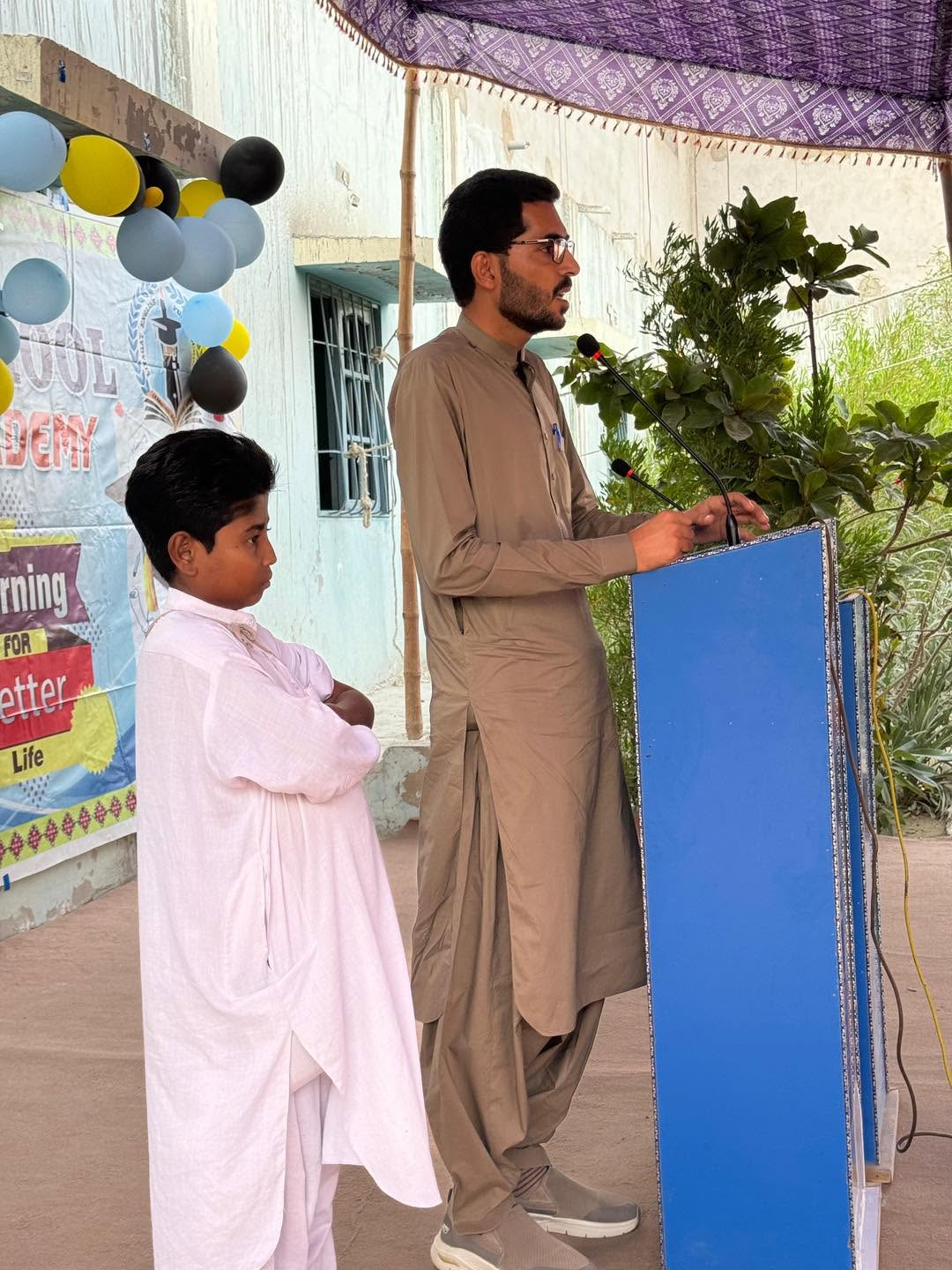
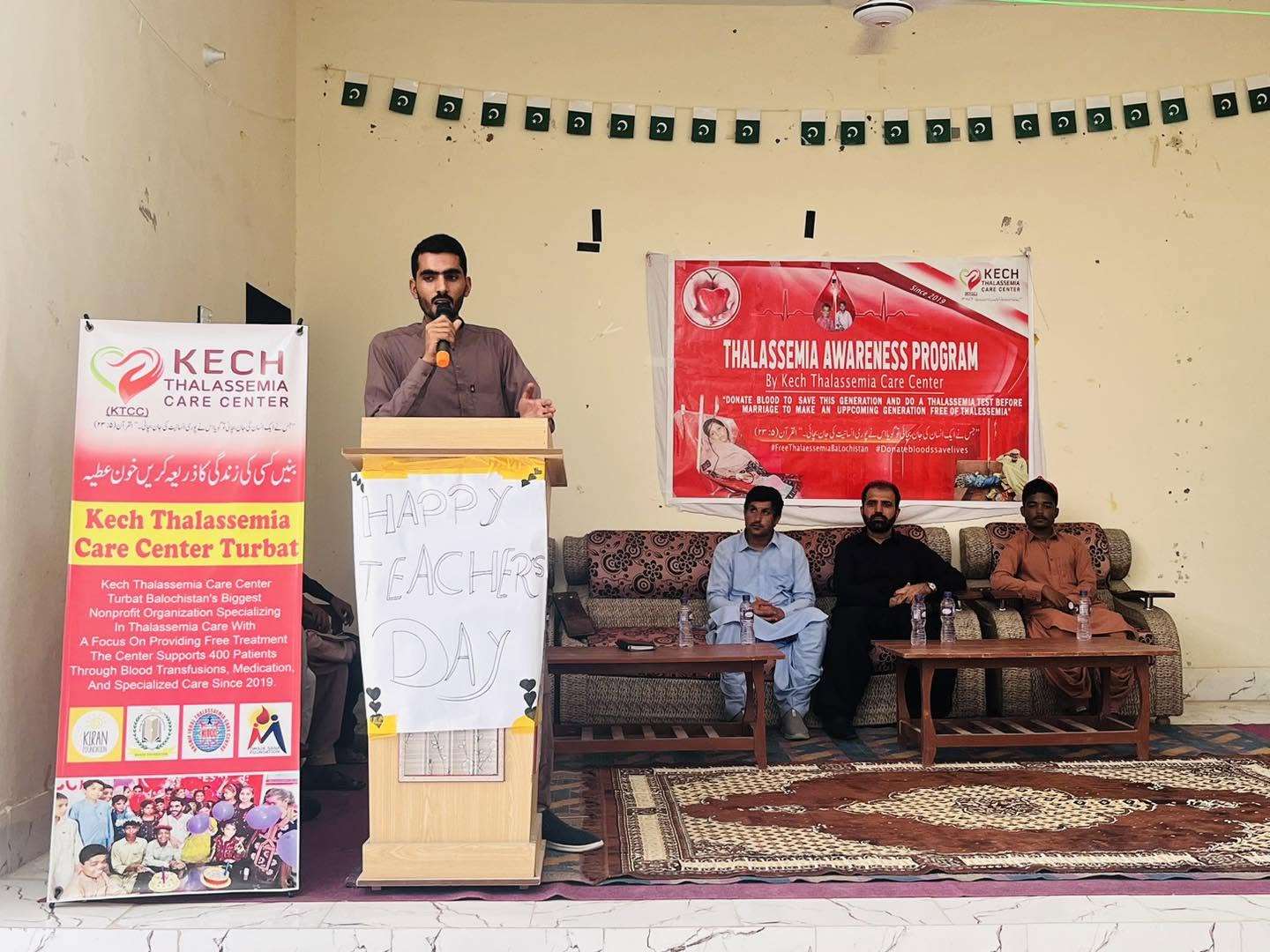
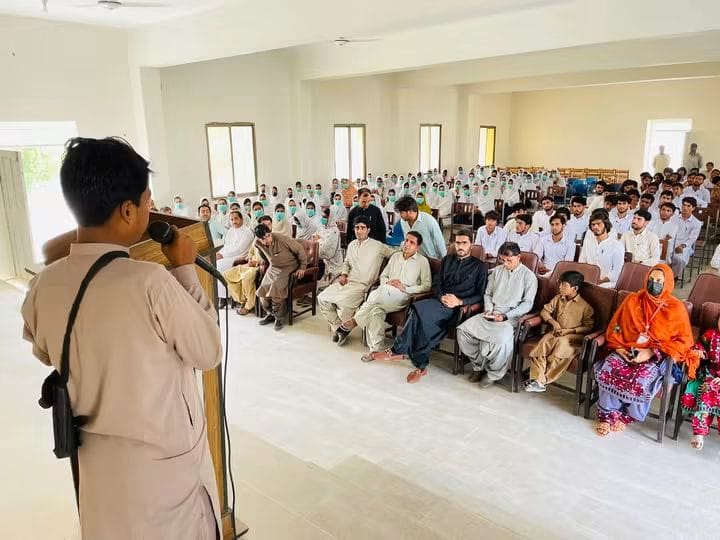
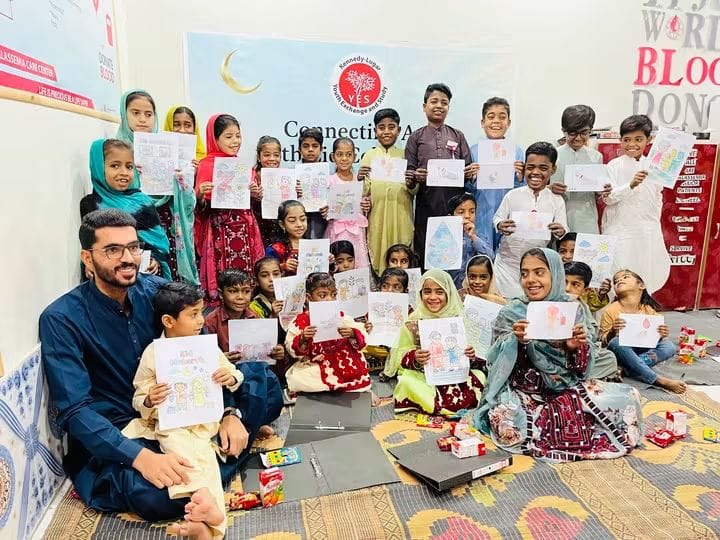
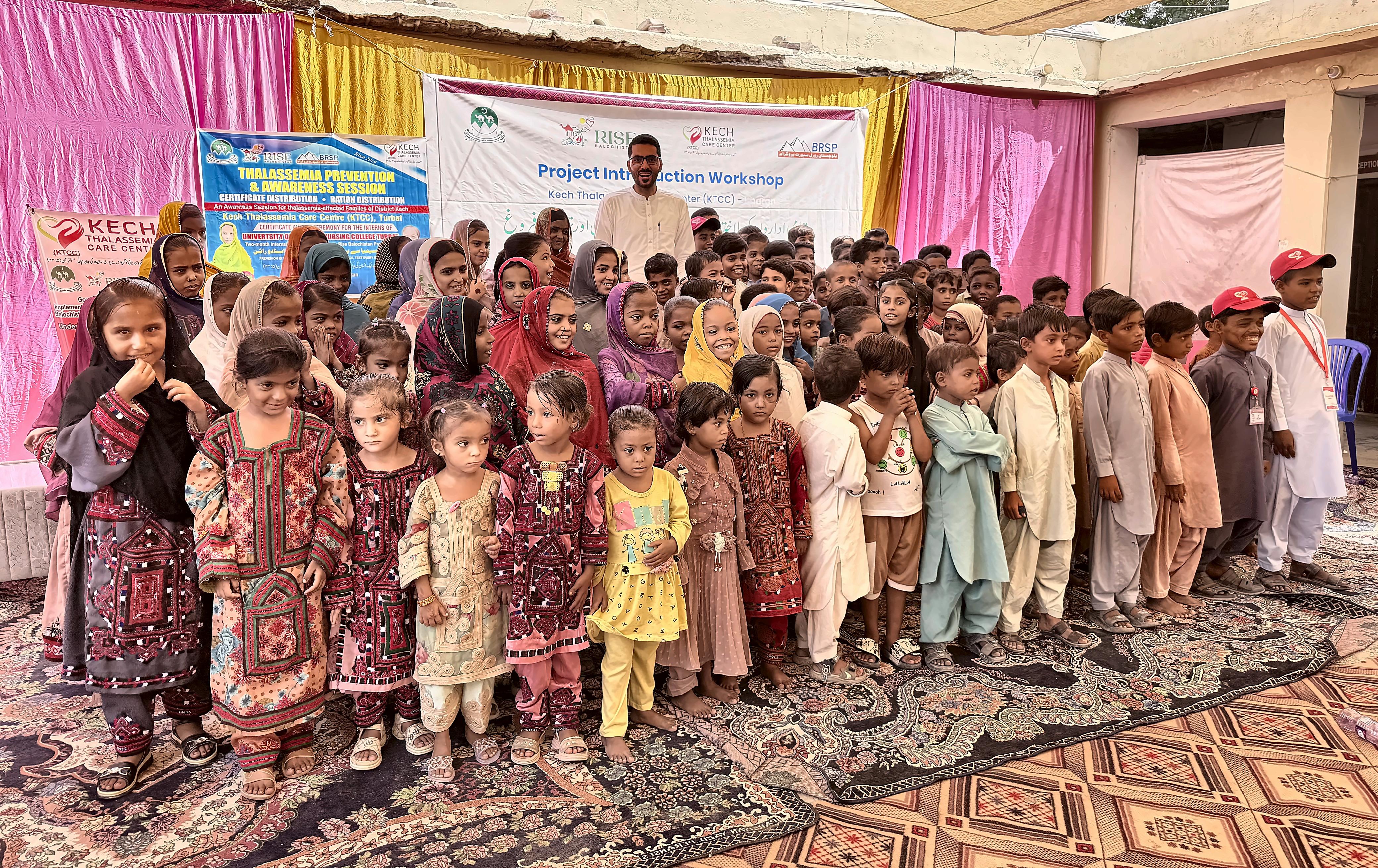
KTCC has conducted thalassemia awareness sessions across multiple schools and colleges in the Makran region, educating students about carrier detection, pre-marital screening, and the importance of blood donation. These programs play a critical role in preventing the spread of thalassemia in future generations.
Through these awareness programs, KTCC has reached thousands of students and community members, spreading knowledge about thalassemia prevention and the importance of regular blood donation to support patients who depend on transfusions for survival.
Old Zarat Office, Behind Sayad Hashmi High School, Zarat Colony, Turbat, Balochistan, Pakistan
© 2026 Kech Thalassemia Care Center.
Designed & Developed by Haider Hamza
All Rights Reserved.
Old Zarat Office, Behind Sayad Hashmi High School, Zarat Colony, Turbat, Balochistan, Pakistan
© 2026 Kech Thalassemia Care Center.
Designed & Developed by Haider Hamza
All Rights Reserved.

.jpeg)

.jpeg)